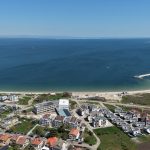




Kraimorie is best known as a peaceful seaside destination near Burgas, but the surrounding area has much more to offer than beaches and the sea. Just a few kilometres away, you can discover lakes and wetlands rich in biodiversity, protected areas, forests, secluded bays and scenic eco-trails, while the picturesque St. Anastasia Island lies just offshore in Burgas Bay. This remarkable diversity makes ecotourism in Kraimorie an appealing choice for travellers who want to combine a seaside holiday with walking, birdwatching, visits to protected areas and opportunities to discover the region’s natural and cultural heritage.
Why is Kraimorie a great base for ecotourism?
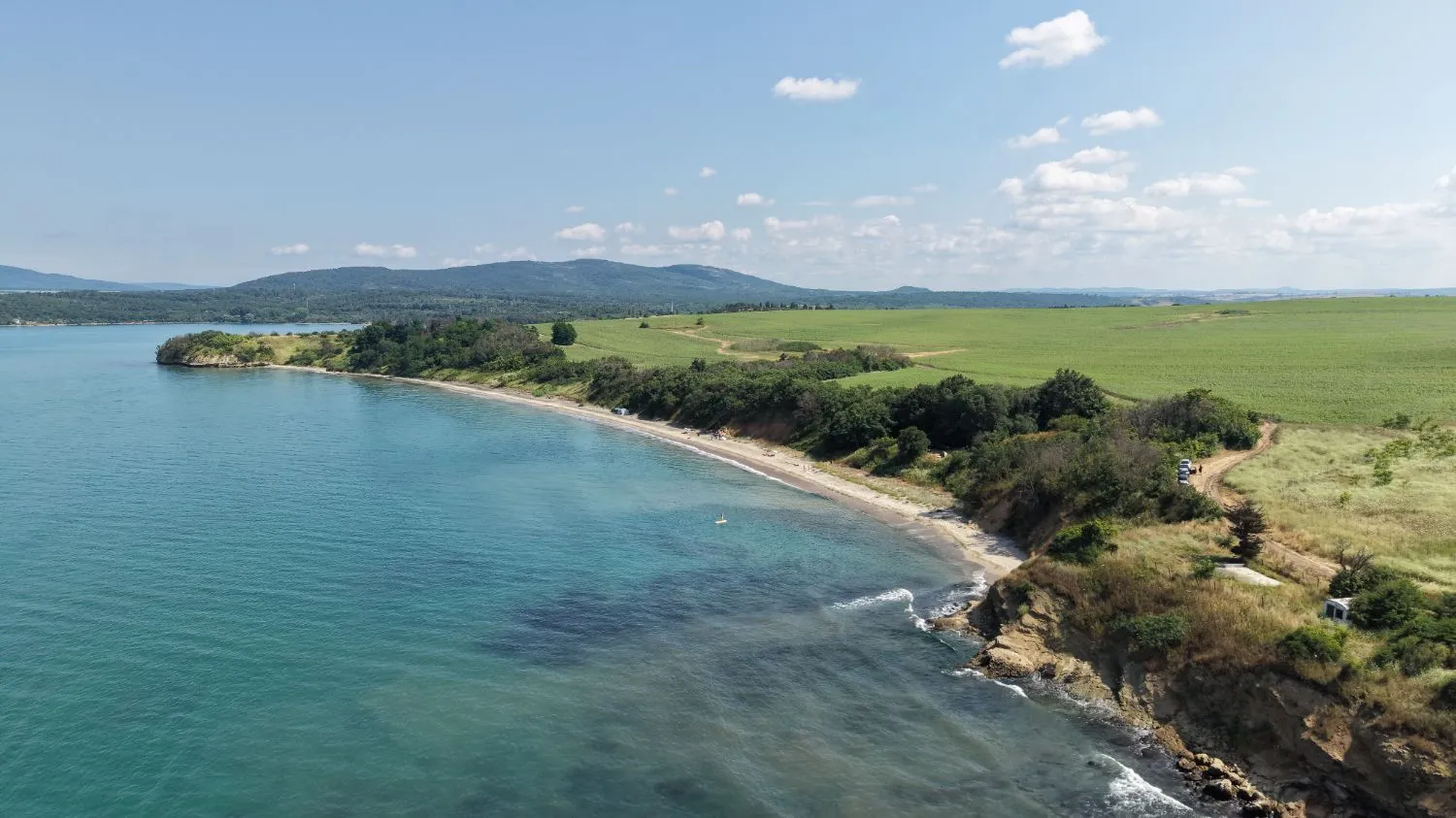
One of Kraimorie’s greatest advantages is its location. To the northwest lie the coastal habitats around Lake Mandra and Poda, while to the south are Chengene Skele, Rosenets Park and the forested hills of Strandzha. To the east stretches Burgas Bay.
This diversity makes it possible to combine several completely different experiences during a single stay in the area – a walk along the coast, birdwatching, a hike through deciduous forest, a visit to a traditional fishing village or a boat trip to an island. Kraimorie is also an excellent base for exploring natural attractions near Burgas, as many of them can be reached relatively quickly without having to travel far inland.
Key principles of ecotourism
Ecotourism is about more than simply visiting beautiful places in nature. At its core is the idea of travelling with as little negative impact on the environment as possible, while also benefiting local communities and contributing to the protection of natural heritage.
In practice, this means staying on marked trails, taking your waste with you, avoiding disturbance to wildlife and birds, and respecting the rules that apply within protected areas. Whenever possible, choosing local services, small family-run businesses, locally produced food and organised nature experiences also contributes to a more sustainable form of tourism.
Understanding why a particular place is valuable is another important part of responsible and sustainable tourism. Visiting a conservation centre, using a local guide or taking part in a conservation initiative can turn an ordinary walk into meaningful support for efforts to protect the environment.
1. Poda Nature Conservation Centre – discover the birdlife near Kraimorie
If there is one place to begin exploring the wildlife around Kraimorie, it is undoubtedly the Poda Nature Conservation Centre. It is located beside the Burgas–Sozopol road, just before the turn-off for Kraimorie.
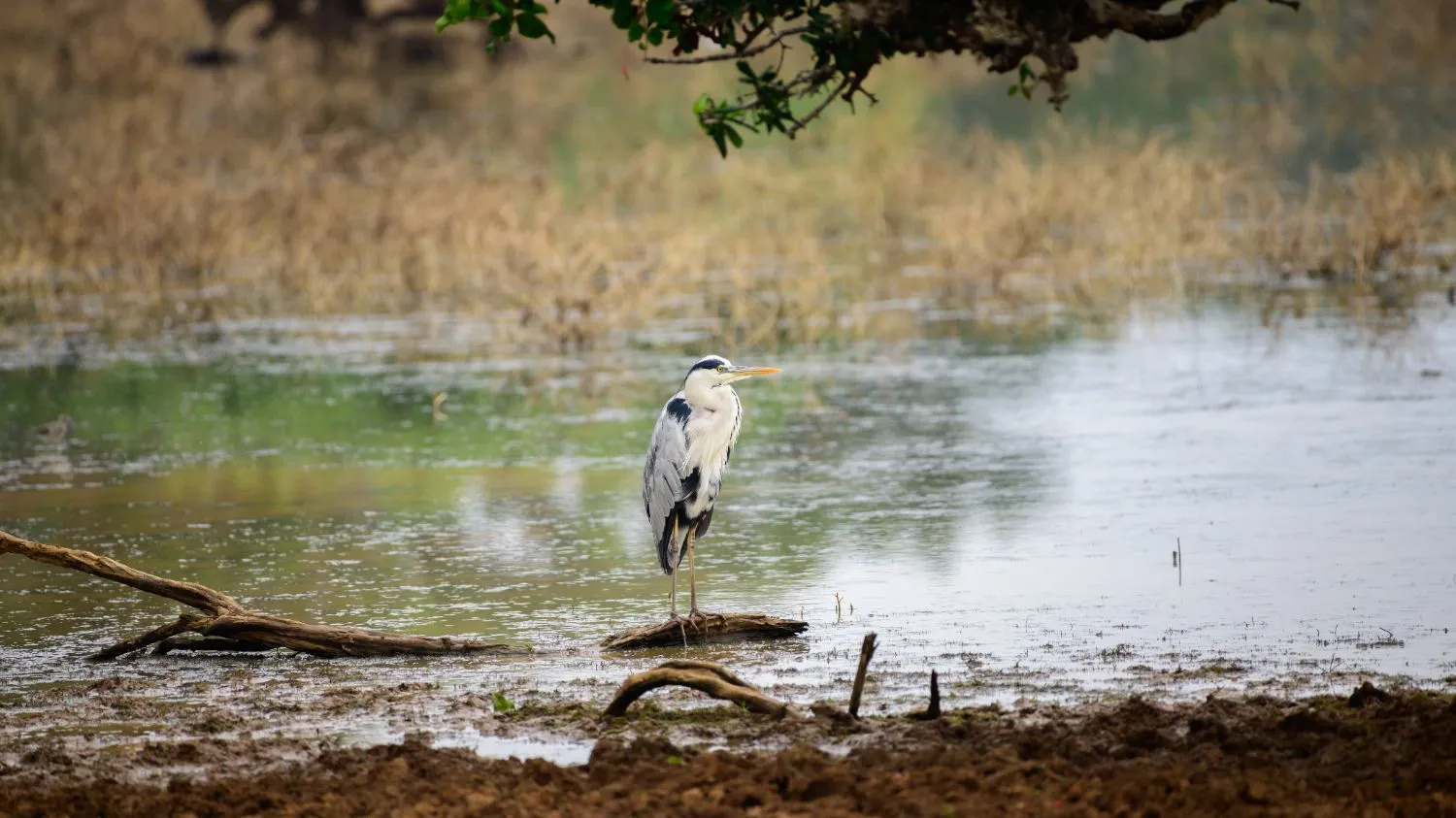
This relatively small area is a remarkable example of just how rich coastal ecosystems can be. According to the Bulgarian Society for the Protection of Birds, 321 bird species have been recorded within an area of approximately one square kilometre at Poda. The site also lies along Via Pontica, one of Europe’s major bird migration routes.
Some of the area’s most distinctive birds include pelicans, cormorants, spoonbills, glossy ibises and various species of herons. Particularly valuable is its mixed breeding colony, the only one of its kind along the Bulgarian Black Sea coast.
You do not need any specialist knowledge of ornithology to enjoy a visit. The centre has observation terraces, binoculars and spotting scopes, while its visitor trail provides controlled access into the protected area. This also makes Poda Nature Conservation Centre an excellent choice for families with children.
2. Lake Mandra and the Mandra–Poda protected area
Poda is only one part of a much larger natural system. Lake Mandra stretches west of Kraimorie, while the Mandra–Poda protected area is one of the key Natura 2000 sites in the Burgas region.
The landscape here is completely different from the open seashore. Large expanses of water, reed beds, channels and wetlands create a variety of habitats and make the area particularly important for birdlife.
Mandra Reservoir is also fascinating because it reveals a lesser-known side of Burgas. The city is usually associated with the Black Sea, but the network of lakes and wetlands surrounding it is just as characteristic of the region’s natural environment.
Visitors should not assume that the entire shoreline of the reservoir is freely accessible for walking. Parts of the area are important for nature conservation, so it is best to use established routes and designated observation points.
3. The Kraimorie coast – a walk between land and sea
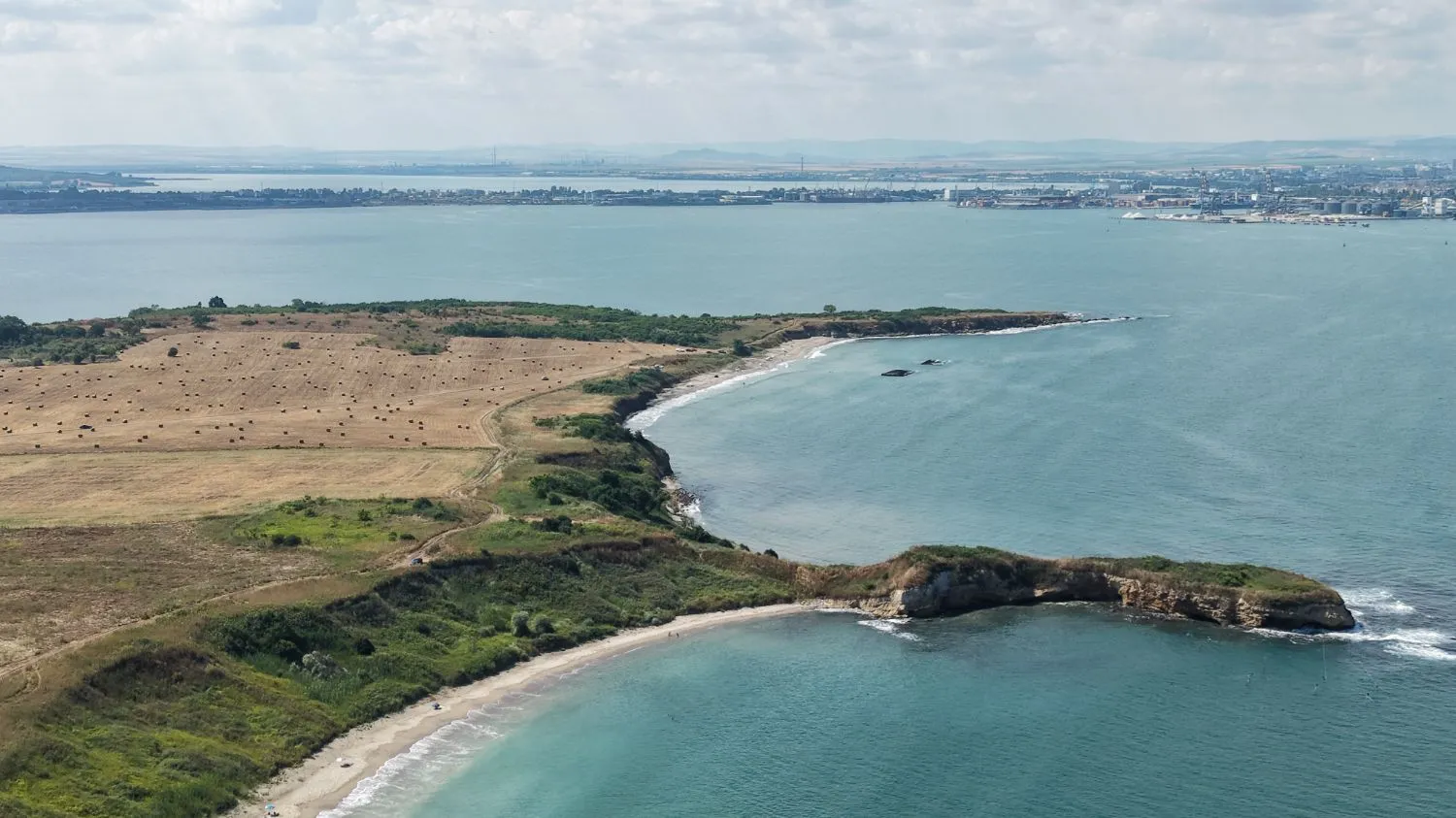
You do not have to leave Kraimorie to discover the area’s natural beauty. The coastline offers a combination of beautiful beaches, rocky stretches, small bays and panoramic views across Burgas Bay.
One interesting direction to explore is towards the Foros peninsula. The regional “Green Corridors” route follows the coastline around the peninsula, passing Kraimorie and continuing towards Chengene Skele. Around Cape Kavkata, visitors can also see impressive coastal rock formations.
These transitional landscapes between land and sea give Kraimorie much of its distinctive character. Visitors can walk along the coast and enjoy the open scenery and changing views. It is also one of the most accessible forms of ecotourism – no special transport or equipment is required, just a sensible choice of route and respect for the natural environment.
4. Alan Tepe eco-trail – panoramic views over Burgas bay
Just a few kilometres south of Kraimorie, the coastal landscape gradually gives way to forest. Above the Rosenets villa area lies the Alan Tepe eco-trail, one of the lesser-known walking routes in the region.
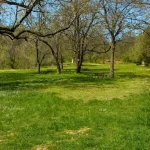
The trail passes through deciduous forest and gradually climbs towards Alan Tepe. The hike is relatively easy, with the greatest reward coming from the panoramic views over Burgas Bay. In clear weather, St. Anastasia Island can also be seen from the higher sections of the trail.
Alan Tepe is a good choice for anyone looking for a genuine woodland walk without travelling far from the coast. Some published routes describe a circular trail of approximately 2.5 km, but the different options for ascending and returning vary, so it is worth checking your chosen route in advance.
The walk highlights another distinctive feature of the Burgas region – how quickly the coastal landscape can give way to shady woodland and the low hills along the northern edge of Strandzha.
5. Chengene Skele – nature and living fishing traditions
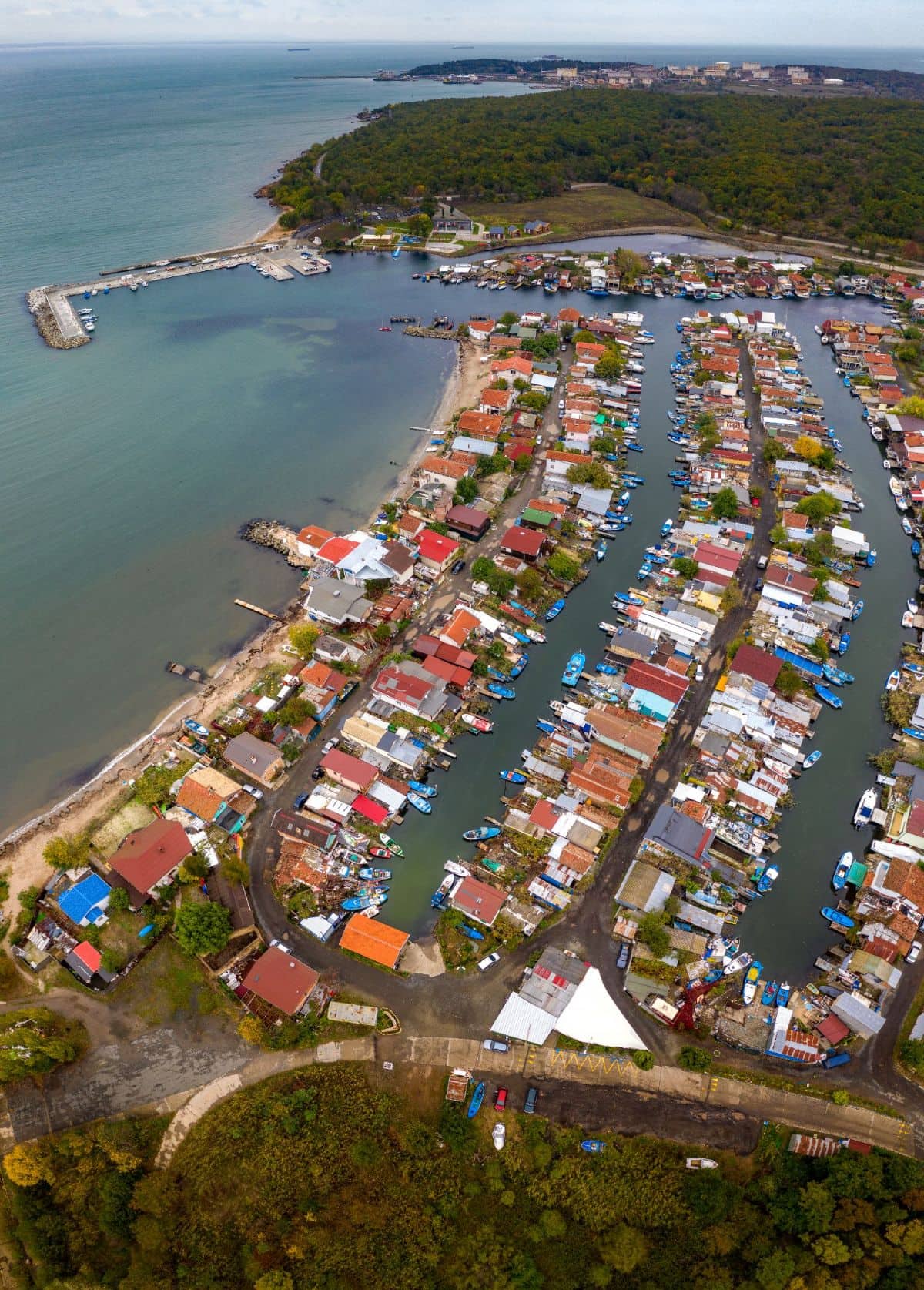
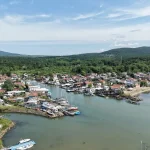
Continuing south, we reach a place where natural and cultural heritage are closely intertwined. The Chengene Skele Protected Area encompasses a freshwater marsh at the mouth of the Marinka River, as well as part of the small bay in front of it. The area was designated for the protection of habitats used by rare and endangered waterbirds. Numerous bird species have been recorded here, including the pygmy cormorant and glossy ibis.
Chengene Skele fishing village preserves the connection between people and the sea through traditional fishing, boats, local cuisine and knowledge passed down through generations. A cultural and tourist complex dedicated to fishing heritage and local traditions has also been established nearby.
It is precisely this combination that makes Chengene Skele an interesting example of sustainable tourism. Visitors come not only to see a beautiful bay, but also to learn more about a community whose way of life has historically been closely connected to the area’s natural resources.
6. Rosenets park – where the forest meets the sea
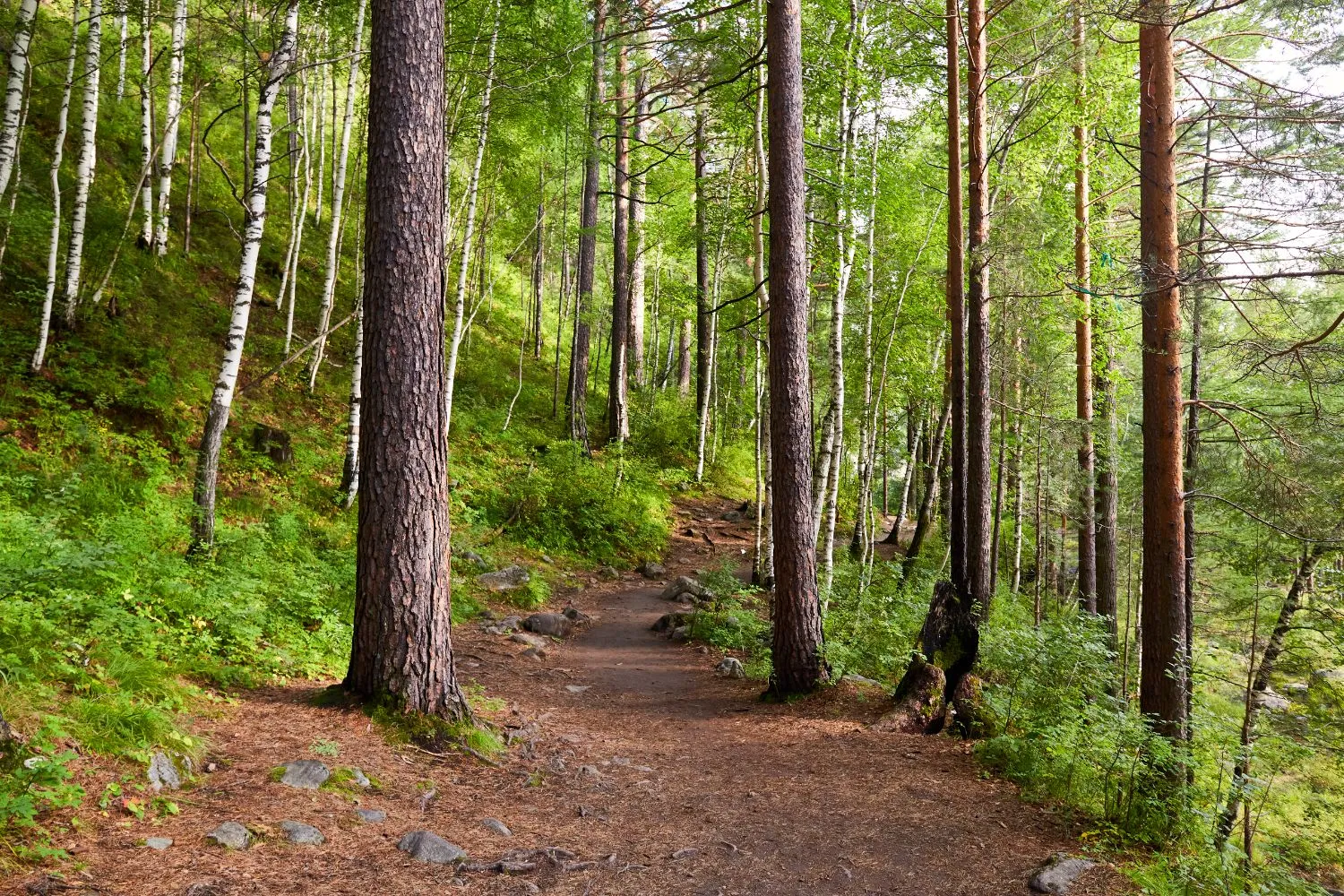
Not far from Chengene Skele lies one of the greenest recreational areas south of Burgas – Rosenets park, also known to generations of Burgas residents as Otmanli.
Here, the character of the landscape changes once again. Instead of the open wetlands around Lake Mandra and Poda, visitors find themselves surrounded by woodland, shady areas and stretches of coastline.
Rosenets is ideal for leisurely walks and picnics and can easily be combined with a visit to Chengene Skele. The proximity of the two places means that within just a few hours you can move from the fishing culture of the bay to a peaceful walk surrounded by greenery.
The park is particularly appealing to families looking for an alternative to spending the entire day at the beach. Rather than planning a separate excursion, Rosenets can form part of a wider route exploring the natural and cultural attractions south of Kraimorie.
7. St. Anastasia island – a different perspective on the nature of Burgas bay
Our final suggestion takes you away from the mainland and out into the sea. St. Anastasia island lies approximately 6 km off the coast and covers an area of nearly 9 decares. Formed from volcanic rock, the island has a fascinating history that includes a monastery and a period when it was used as a prison.
The boat journey is part of the experience itself. From the sea, Burgas Bay takes on a completely different appearance and offers a much clearer sense of the geography of the coastline.
St. Anastasia is not a classic ecotourism destination. It is included in this selection because it provides an opportunity to experience an island environment while combining a sea journey, nature and cultural heritage.
A visit should be planned in advance according to the current tourist boat schedule and weather conditions.
Four ideas for ecotourism routes around Kraimorie
There is no need to visit all seven places at once. A better approach is to combine them according to your interests and the amount of time you have available.
Route 1: Poda → Lake Mandra → Kraimorie
This is perhaps the best option for discovering the natural environment of the area. Begin at Poda Nature Conservation Centre, where you can learn about the protected wetlands and their birdlife. Then explore the landscapes around Mandra Reservoir from appropriate and permitted locations. Finish the day in Kraimorie with a walk along the coast. In just one day, you will experience two of the region’s most characteristic landscapes.
Route 2: Kraimorie → Chengene Skele → Rosenets Park
This is perhaps the most balanced route. Start with a walk in Kraimorie, continue to Chengene Skele and allow time to explore both the cultural and tourist complex and the atmosphere of the traditional fishing village. Afterwards, head to Rosenets for a walk through the forest. The route combines the sea, culture, interaction with the local community and nature without requiring long hikes.
Route 3: Alan Tepe Eco-Trail → Rosenets Park → Kraimorie
This option is ideal for visitors who prefer a more active day. Start with the walking route to Alan Tepe and, after the hike, continue to Rosenets for a relaxing break in the forest. End the day by the sea in Kraimorie.
Route 4: Kraimorie → Burgas → St. Anastasia Island
If you have a full day available, combine a morning walk along the Kraimorie coast with a trip to Burgas and a boat journey to St. Anastasia Island. This route differs from the others because it allows you to experience the coastline from the sea. Be sure to check the boat schedule and sailing conditions in advance.
How to travel responsibly and sustainably
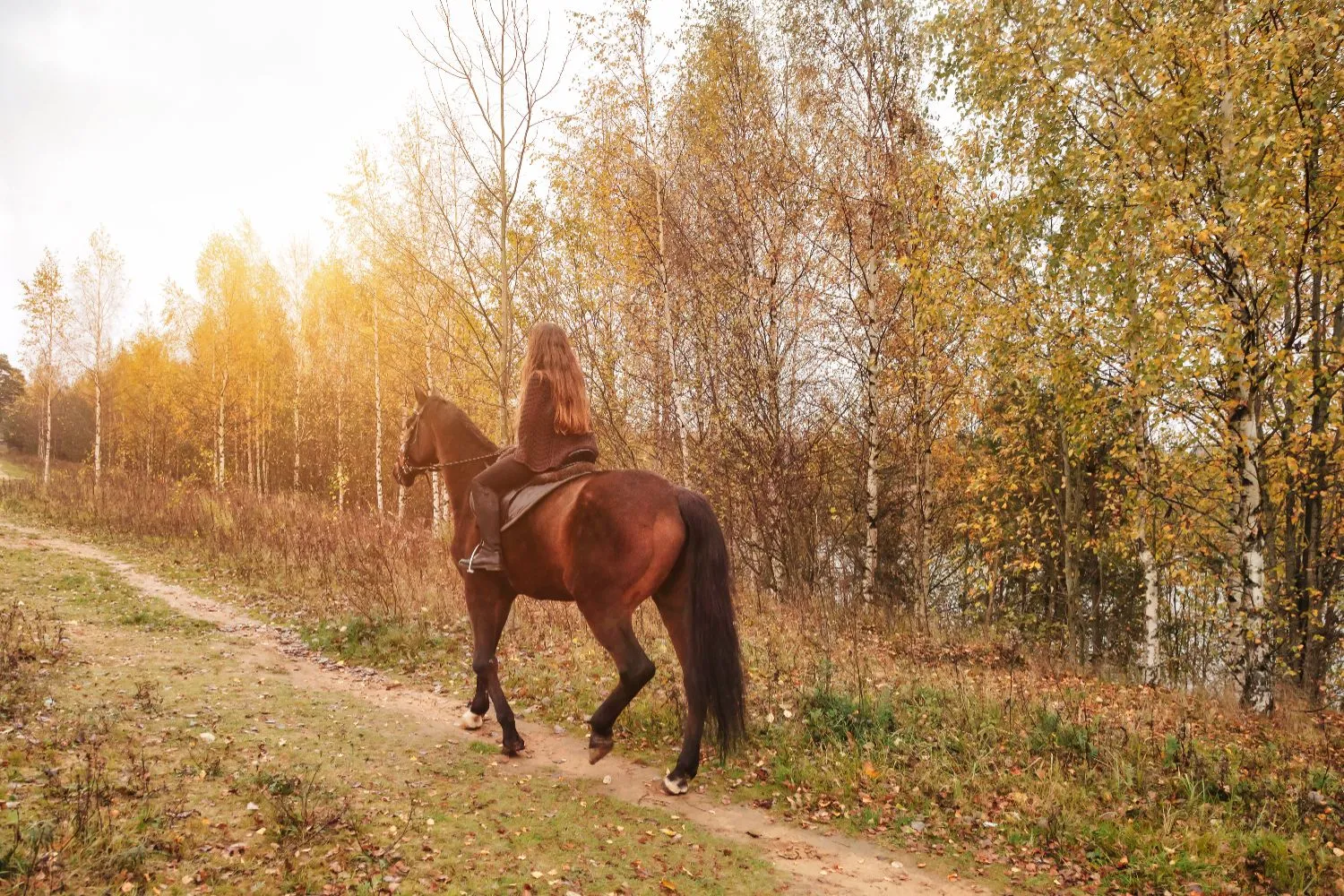
The natural beauty around Kraimorie should never be taken for granted. Wetland and coastal habitats are particularly sensitive to human presence and disturbance, while the protected status of Poda and Chengene Skele serves a specific conservation purpose.
The simplest rule is to leave each place as you found it. Do not leave litter behind, pick wild plants, enter reed beds or attempt to approach nests or wild animals. Whenever a marked route is available, stay on it.
Sustainable travel also has an important local dimension. Eating at restaurants in the area, using local tourism services and visiting conservation and cultural centres help ensure that tourism revenue benefits the people who live and work here. In this way, supporting environmental conservation becomes more than an abstract idea – it becomes part of the way you travel.
Kraimorie – more than a seaside holiday destination
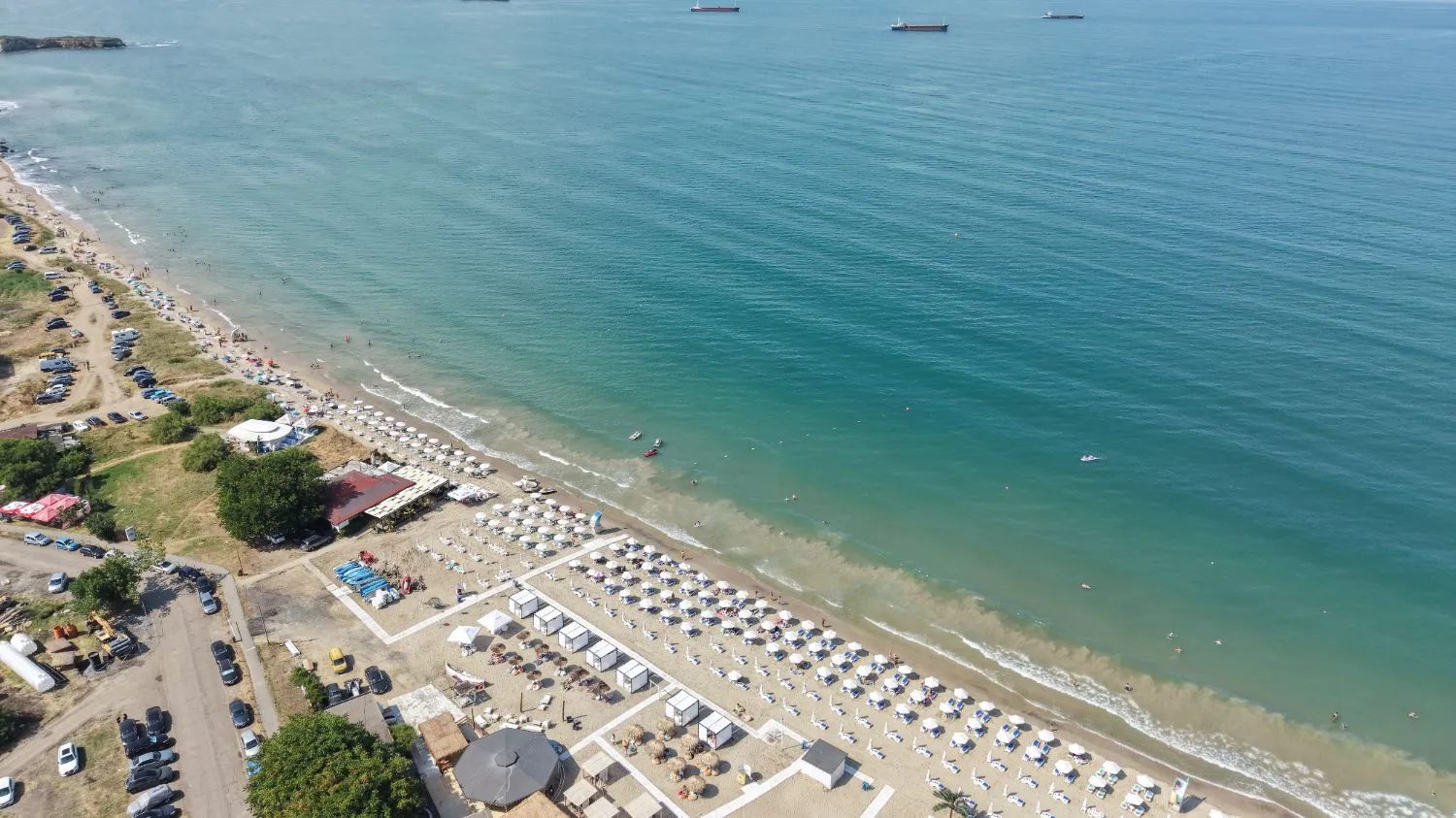
The greatest advantage of ecotourism in Kraimorie is its diversity. Within a relatively small area, visitors can discover the sea, wetlands, forests, protected areas, an island, walking trails and traditional fishing culture.
Poda showcases the richness of the coastal habitats around Burgas. Lake Mandra reveals the scale of this wider ecosystem, while Alan Tepe takes visitors into the forest above the bay. Chengene Skele and Rosenets combine coastal nature, local traditions and green spaces. St. Anastasia Island adds yet another perspective – a view of the coastline from the sea itself.
It is this close proximity of such different natural environments that makes Kraimorie an excellent base for travellers who want to discover the natural attractions around Burgas without limiting their trip to a traditional summer beach holiday.