



Burgas’ maritime heritage is attracting growing international attention, with Chengene Skele emerging as one of the most distinctive examples of preserved living fishing traditions on Bulgaria’s Black Sea coast. The topic came into focus during the International Forum “Maritime Heritage and Fishing Traditions”, which brought together experts, researchers, museum professionals, local authorities and fishing communities from nine countries.
The two-day forum went beyond preserving historical memory, focusing instead on traditions that remain part of everyday life. This is precisely what makes Chengene Skele particularly valuable: fishing practices, local knowledge, cuisine and customs are not simply museum exhibits, but a living heritage that continues to be passed down from one generation to another.
Chengene skele as a model for living maritime heritage
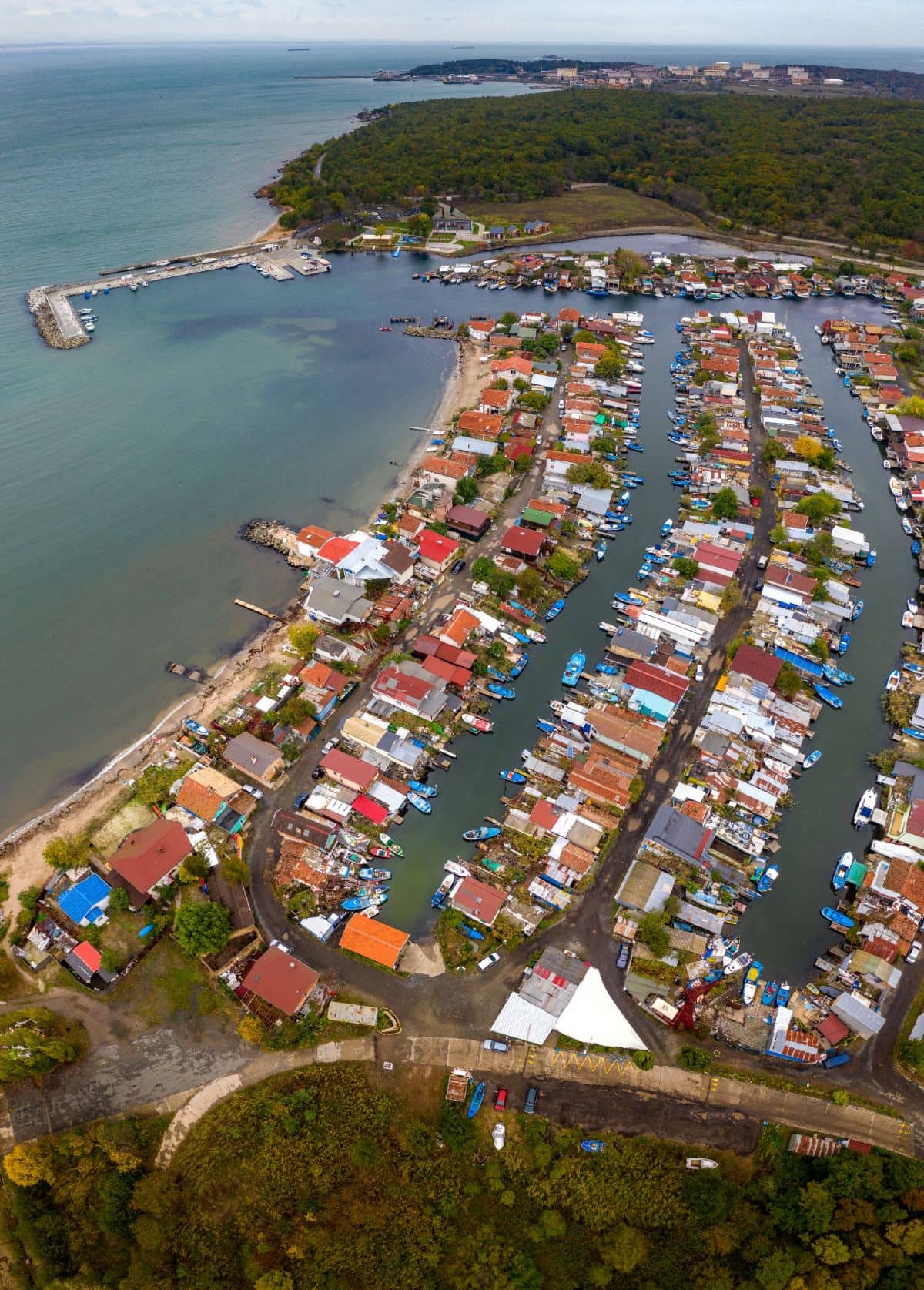
At the heart of the discussions was the Chengene Skele fishing village, where an authentic local fishing community exists alongside the developing Chengene Skele Cultural and Tourist Complex. This combination allows the history and traditions of local fishermen to be presented to visitors while maintaining a direct connection with the people who continue to practise and preserve them.
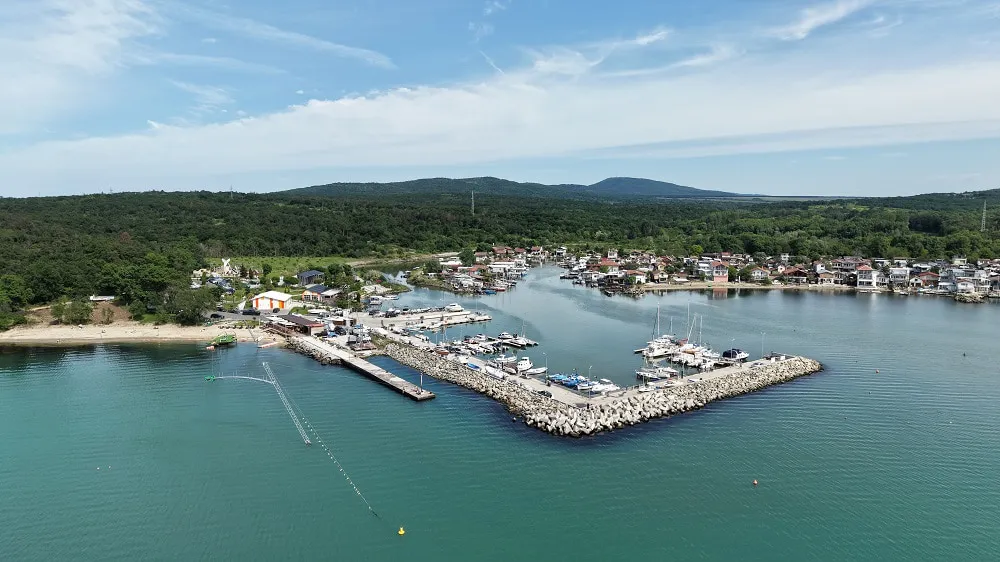
The Chengene Skele Cultural and Tourist Complex complements this environment with museum exhibitions, cultural events and visitor experiences. In this way, Burgas’ maritime heritage is becoming not only part of the city’s history, but also a valuable resource for modern cultural tourism.
The forum explored traditional practices and crafts, local cuisine and contemporary approaches to presenting intangible cultural heritage. One of its central themes was the importance of involving local communities directly in preserving their traditions, rather than separating cultural heritage from the people who continue to practise it.
Could Chengene skele gain UNESCO recognition?
One of the most significant messages to emerge from the international meeting was that Chengene Skele has the potential to gain much wider international recognition.
At the closing of the forum, Dr Irena Todorova, Executive Director of the Regional Centre for the Safeguarding of Intangible Cultural Heritage in South-Eastern Europe under the auspices of UNESCO, highlighted the potential for the heritage preserved at Chengene Skele to gain greater international visibility in the future.
This does not mean that Chengene Skele has already been included on a UNESCO list, nor does it guarantee future recognition. However, the international forum demonstrates growing expert interest in the area and in the way Burgas combines an authentic fishing community, cultural heritage and tourism.
Keeping Burgas’ fishing traditions alive
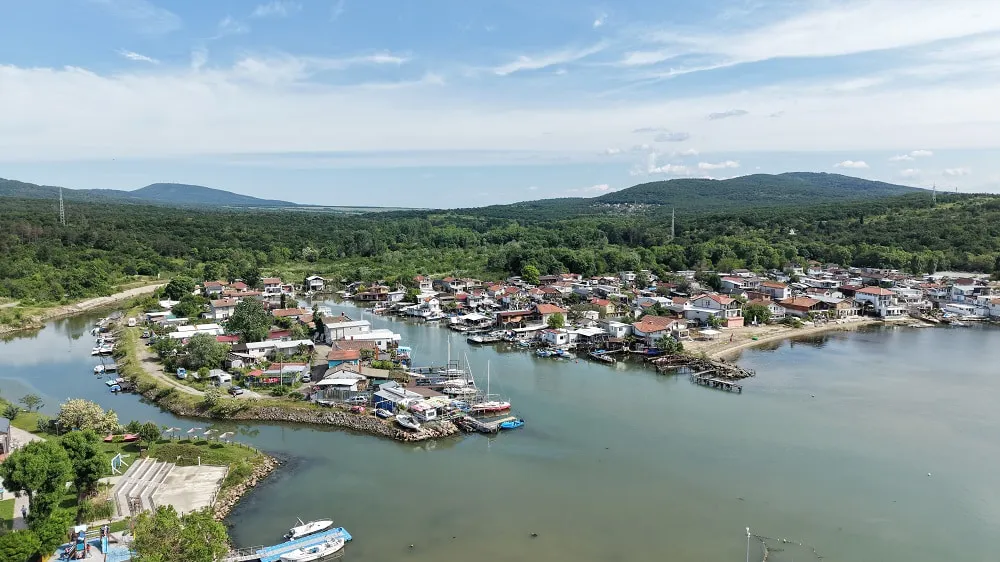
Passing knowledge from one generation to the next was another major topic during the forum. The presence of an active fishing community is precisely what distinguishes Chengene Skele from a conventional open-air museum or heritage attraction.
In Burgas’ fishing village, there are still people who preserve knowledge of traditional fishing, the sea, local recipes and practices developed over generations. Protecting this heritage therefore depends not only on cultural institutions but also on ensuring that the community itself remains actively involved in the future development of the area.
Local cuisine is another important element of this living heritage. Researching, preserving and promoting traditional recipes gives visitors an opportunity to experience maritime culture through food rather than simply learning about it through museum displays.
Maritime heritage as part of Burgas’ cultural vision
The international forum also placed Chengene Skele within the broader cultural development of Burgas. The city is preparing its bid for European Capital of Culture 2032, and its maritime and intangible cultural heritage could play an important role in shaping a distinctive cultural identity.
The development of Chengene Skele demonstrates a model in which tourism does not have to replace local traditions but can instead help introduce them to a wider audience. Preserving this balance could allow Burgas’ fishing heritage to evolve from a regional cultural attraction into an internationally recognised example of living maritime culture.
For Chengene Skele, this growing international interest is important not simply because of the possibility of future recognition. Its greatest value remains the connection between the sea, the fishing community and traditions that continue to form part of everyday life on the coast.