



Ecotourism in Bulgaria often brings to mind high mountains, ancient forests and remote national parks. Yet one of the country’s most remarkable wildlife experiences lies beside the Black Sea, just outside Burgas and next to Kraimorie. Poda Protected Area covers only about one square kilometre, but 321 bird species have been recorded here – an extraordinary concentration of biodiversity that turns this small wetland into a destination of European importance.
Why Poda deserves a place on Bulgaria’s ecotourism map
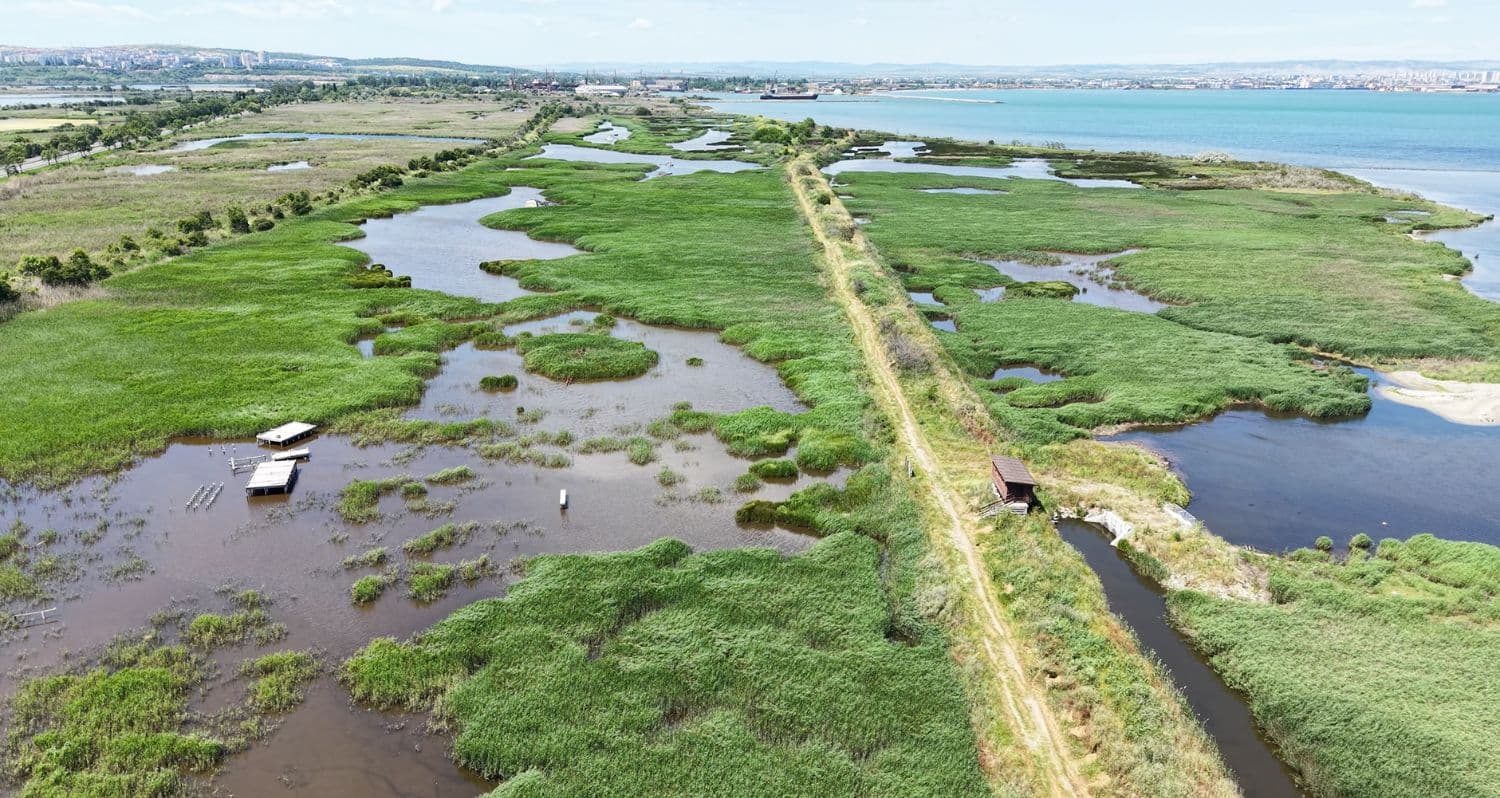
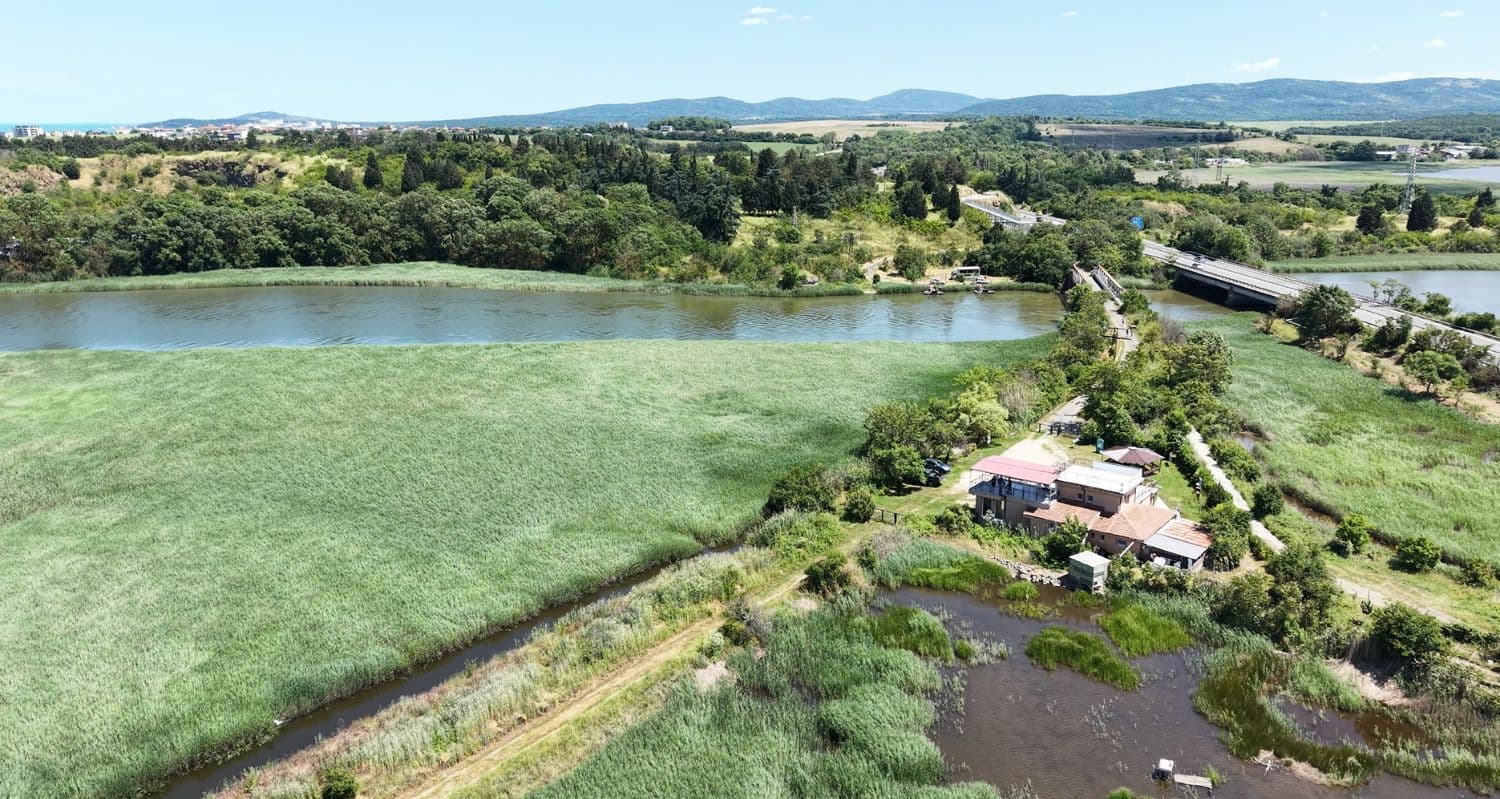
Poda challenges the idea that important natural areas must be vast or difficult to reach. Located on the southern outskirts of Burgas, the protected area sits between the city, the Black Sea coast and the wetlands surrounding Burgas Bay. According to the Bulgarian Society for the Protection of Birds (BSPB), 321 bird species have been recorded within an area of no more than one square kilometre – roughly one quarter of Europe’s bird diversity. This makes Poda one of the most remarkable places for birdwatching in Bulgaria and an exceptional example of how much biodiversity can survive within a surprisingly compact landscape.
321 bird species in just one square kilometre
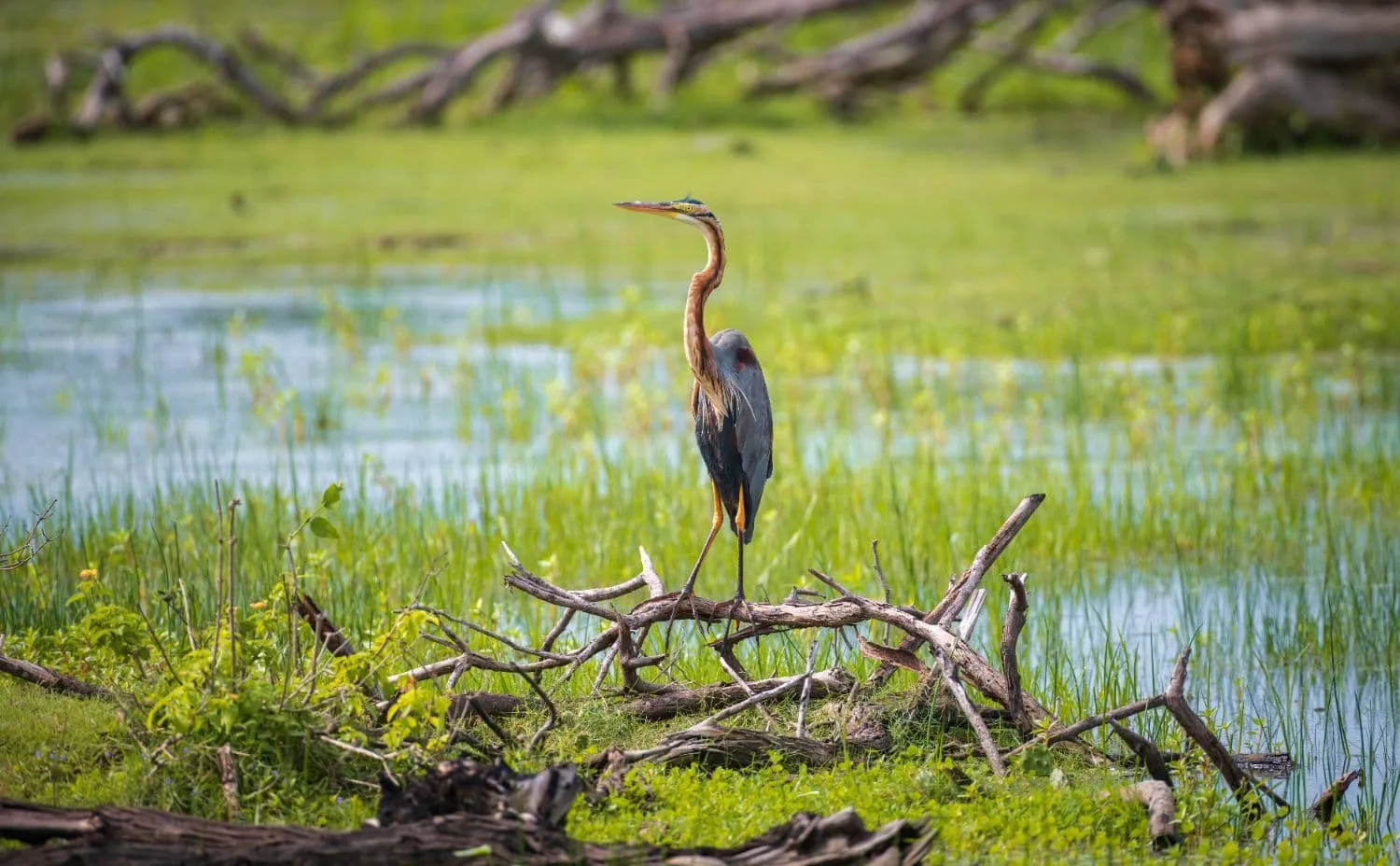
The numbers are impressive, but Poda’s real appeal begins when statistics become something you can actually see. Herons stand motionless at the water’s edge. Cormorants gather around the wetlands, while spoonbills, ibises, pelicans, terns and birds of prey may all appear depending on the season. White-tailed Eagles can also be observed in the area. Poda is also the only place on the Bulgarian Black Sea coast with a mixed breeding colony of Eurasian Spoonbills, Glossy Ibises, Pygmy Cormorants and the heron species breeding in Europe. For a deeper introduction to the reserve itself, its wildlife and visitor experience, explore our guide to the Poda Conservation Center and its remarkable world of birds.
A wetland where different natural worlds meet
Part of Poda’s richness comes from the wider system of wetlands around Burgas, where fresh, brackish, saline and hypersaline environments create habitats for an exceptional variety of wildlife. This diversity matters far beyond birdwatching. Wetlands support complex ecosystems of plants, reptiles, insects and other species while performing important ecological functions. Poda is therefore more than a place to collect photographs of rare birds. It is a compact window into the biodiversity of Bulgaria’s Black Sea coast.
Via Pontica turns Poda into a spectacular birdwatching destination
To understand Poda, you also have to look up. The protected area lies along Via Pontica, one of Europe’s major bird migration routes. Every year, enormous numbers of migratory birds follow the Black Sea coast on their journeys between Europe and Africa.
When migration fills the sky above Burgas
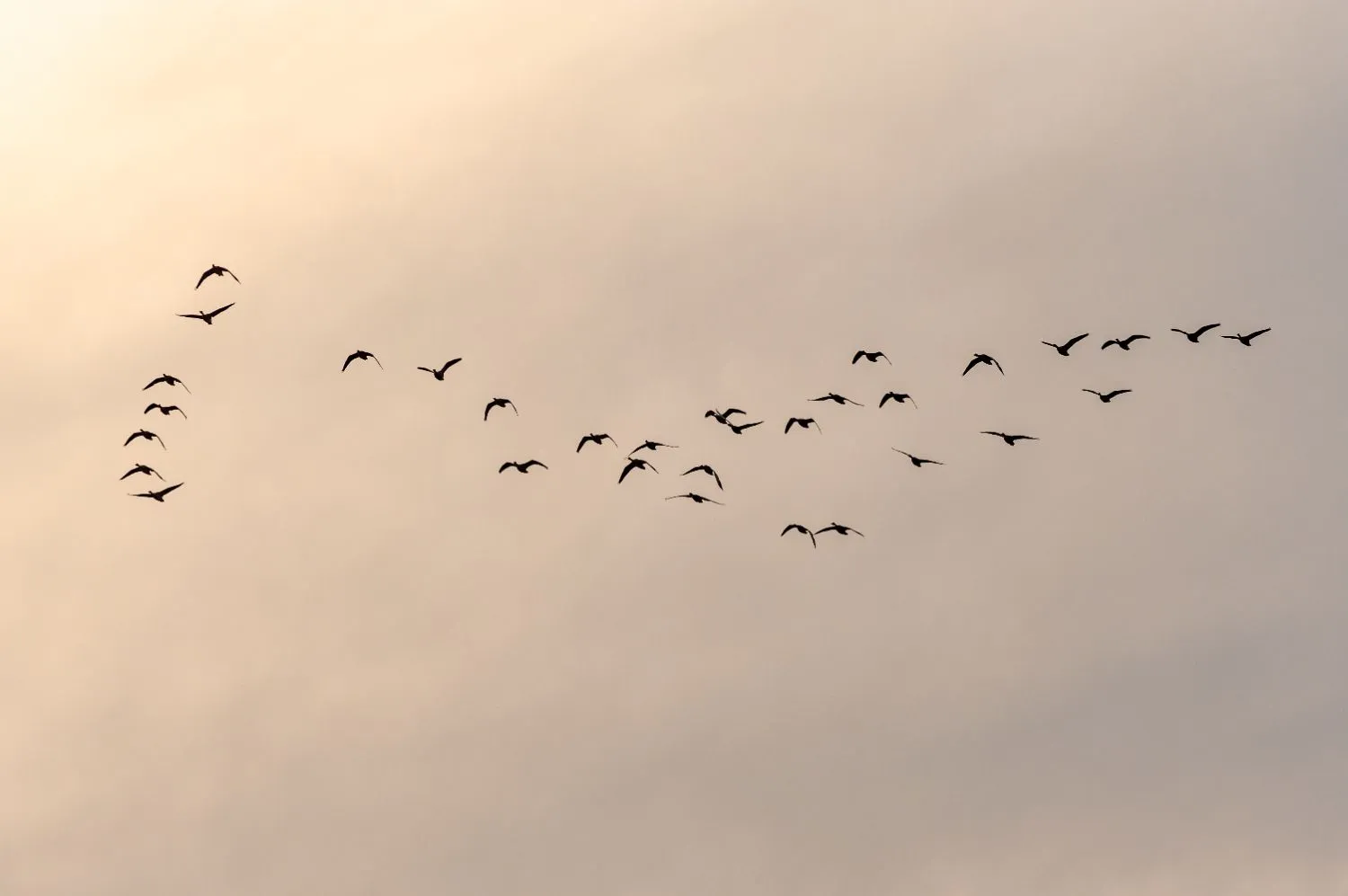
Late summer can transform a quiet visit into something extraordinary. As migration intensifies, thousands of storks and birds of prey may pass overhead. For travellers accustomed to seeing wildlife behind fences or through a screen, there is something fundamentally different about this experience. The birds are not an attraction created for visitors. You are simply standing beneath a natural journey that has taken place for countless generations. At the right moment, you do not simply visit Poda. Migration comes to you. That makes the reserve particularly interesting for nature photographers, families and travellers searching for authentic wildlife tourism in Bulgaria.
Birdwatching in Bulgaria without being a birdwatcher
You do not need to know the difference between an ibis and a heron before arriving. That accessibility is one of Poda’s strengths.
What a first visit to Poda actually feels like
The Poda Nature Conservation Centre has an observation terrace overlooking the wetlands, while binoculars and spotting scopes allow visitors to see wildlife that would otherwise remain distant details in the landscape. A visitor trail provides another perspective, and specialists at the centre can help identify species and explain their behaviour. Dedicated photography hides are also available for more serious wildlife photography. You can spend around an hour here or make Poda a longer part of your day. Either way, the experience encourages something increasingly rare on a busy seaside holiday: stopping, watching and allowing the landscape to reveal itself slowly.
Poda, Kraimorie and the wild side of the Burgas coast
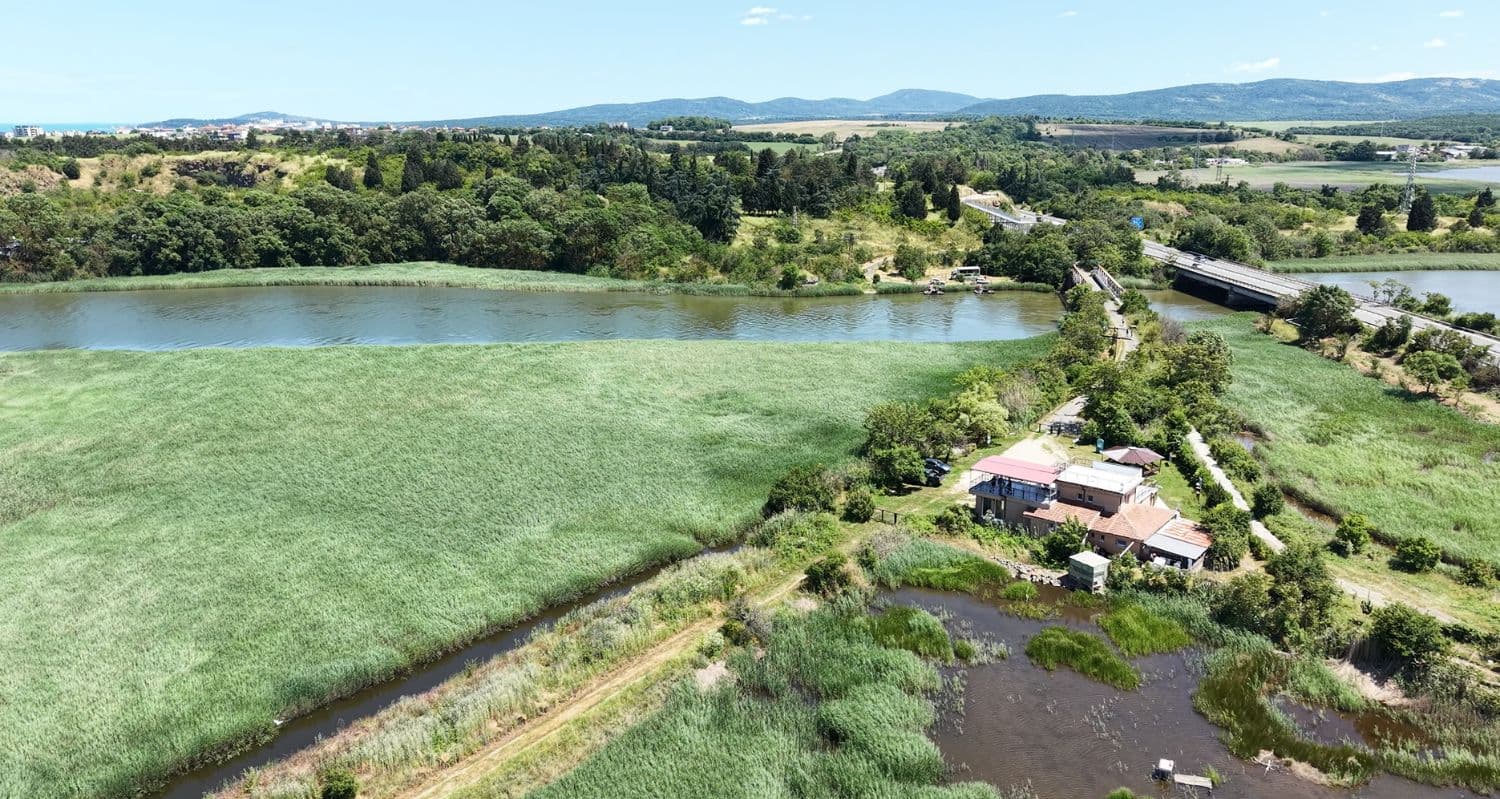
Poda becomes even more interesting when viewed not as an isolated attraction, but as part of the natural landscape surrounding Kraimorie and southern Burgas. The reserve is located beside the Burgas–Sozopol road, immediately before the Kraimorie area when travelling south from Burgas. Within a relatively small radius, the landscape shifts between wetlands, coastline, forest, beaches and the waters of Burgas Bay. This makes the region particularly suitable for slow travel.
Why Kraimorie is a natural base for eco travel
Kraimorie is usually associated with its beach and relaxed seaside atmosphere, but limiting the area to a summer beach destination misses much of what surrounds it. From here, visitors can combine the sea with birdwatching at Poda, coastal landscapes, forest walks, cultural sites and other nature experiences without travelling long distances. Our guide to ecotourism in Kraimorie and seven nature spots near Burgas brings these places together and shows how easily they can become part of a wider nature-focused stay.
From wetlands to forests and the Black Sea
One of the pleasures of exploring this part of the Bulgarian coast is how quickly the scenery changes. Poda introduces you to wetlands and migratory birds. Continue south beyond Kraimorie and the landscape gradually leads towards greener and more wooded stretches of coastline.
Continue the journey to Rosenets Park
Rosenets park – where forest and sea meet near Burgas offers an almost complete contrast to Poda. Instead of open wetlands, visitors find woodland, shaded paths, picnic areas and quiet stretches of Black Sea coastline. Those looking for a short walk with wider views can continue to the Alan Tepe ecotrail, where forest paths lead towards panoramic views over the coast and Burgas Bay. Together, these places reveal a side of the southern Black Sea that is easy to overlook when travelling only from beach to beach.
When is the best time to visit Poda Protected Area?
Poda can be visited throughout the year, but the experience changes with the seasons.
Spring and autumn migration
Migration periods are particularly attractive for birdwatchers and photographers because the Via Pontica brings additional species through the region. Late summer is especially impressive as large numbers of storks and raptors begin moving south.
Summer and winter offer a different experience
Summer brings herons, cormorants, spoonbills, ibises, terns, pelicans and birds of prey into focus, while quieter periods allow visitors to experience the wetland at a slower pace. There is no single version of Poda. The landscape, light and wildlife change throughout the year – one reason the reserve rewards more than one visit.
How to visit Poda from Burgas and Kraimorie
Poda Nature Conservation Centre is directly beside the main Burgas–Sozopol road and is easy to combine with a visit to Kraimorie. Visitors travelling without a car can also reach the area using Burgas city bus No. 17. The centre recommends travelling to the final stop in Kraimorie and getting off at Poda on the bus’s return journey to avoid crossing the busy main road. Before travelling, check the latest opening hours, admission information and visitor guidance directly with the Bulgarian Society for the Protection of Birds – Poda Protected Area. Bring comfortable shoes, water and a camera if you enjoy photography. More importantly, remember that this is a protected habitat rather than simply another tourist attraction. Stay on designated routes, avoid disturbing wildlife and let patience become part of the experience.
Why Poda changes the way you see ecotourism in Bulgaria
The great strength of ecotourism in Bulgaria is its diversity. Mountains and forests may dominate the country’s nature imagery, but the Black Sea wetlands tell another story. Poda proves that a globally remarkable wildlife experience does not have to be hidden deep in the wilderness. It can exist beside a city, a major road and a seaside neighbourhood – while still providing refuge for hundreds of bird species travelling across continents. And perhaps that is what makes Poda so memorable. It may be only one square kilometre on the map, but it opens the door to a much larger natural world around Kraimorie, Burgas Bay and Bulgaria’s southern Black Sea coast.