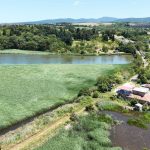




What to expect in this article: Are you looking for a place where nature whispers its deepest secrets? Just minutes away from the busy streets of Burgas and right next to Kraimorie district lies a true natural wonder – the “Poda” protected area. This is not just another hiking trail. It is one of the richest bird habitats in all of Europe.
- Why Poda is a true paradise for both birds and humans.
- What you can see there, even if you’ve never been interested in birds before.
- The unique interactive exhibitions that will capture your children’s hearts.
- Practical tips: how to get there, the best time to visit, and what to bring.
Small area, giant heart: What is the “Poda” conservation center?

This protected area covers only about one square mile. But don’t let its size fool you! Here, three types of water meet – fresh, salty, and brackish. This unique ecological phenomenon attracts over 315 species of birds. That is a quarter of all bird species in Europe, gathered in one single place!
The magic of nature: What will you see there?
For beginners and children, Poda offers a fantastic live show. Forget about boring textbooks – this is nature in real-time:
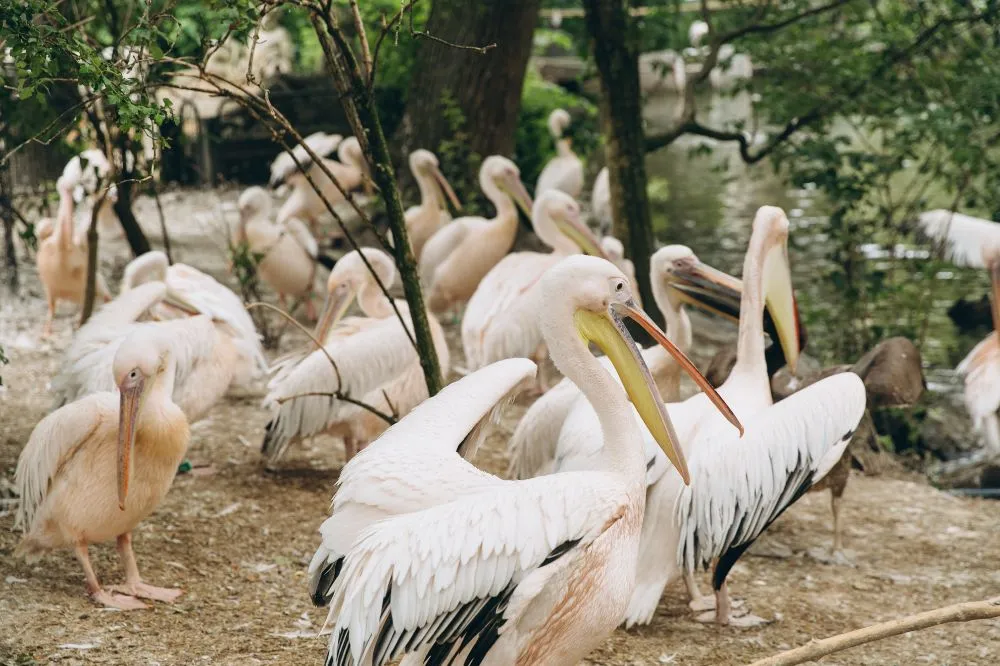
- The Great White Pelican: You can watch these majestic birds glide smoothly across the water or fly in perfect harmony overhead.
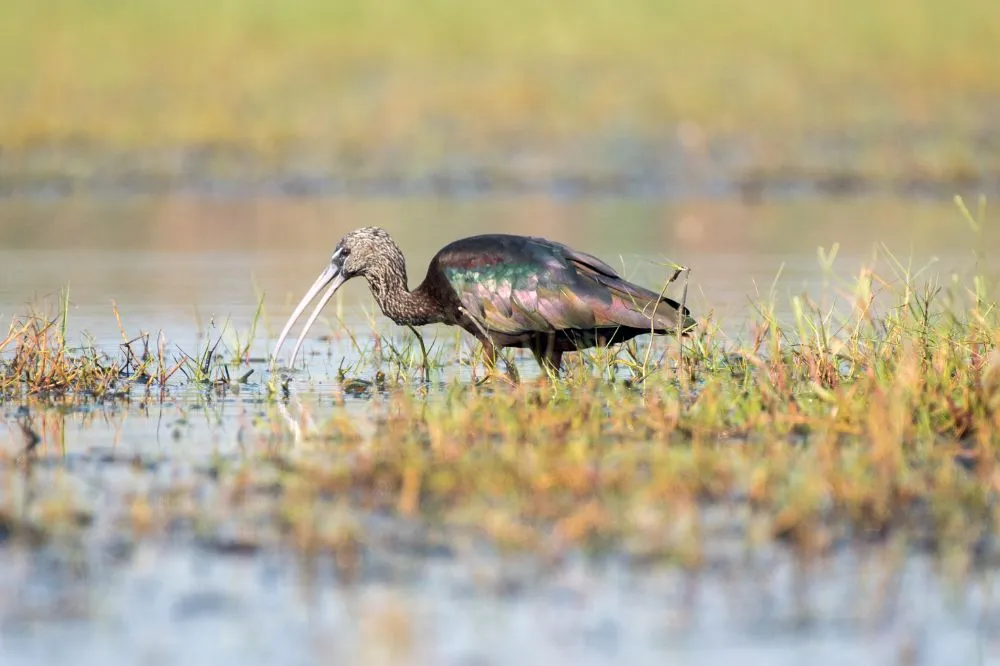
- The Glossy Ibis and Eurasian Spoonbill: With their weird and wonderful beaks, they are absolute favorites for kids, who often compare them to prehistoric creatures.
- Cormorants: Poda is home to the only Great Cormorant colony on the Bulgarian Black Sea coast that nests on abandoned electricity pylons.
Want to plan the perfect birdwatching day? Here is when you can meet the most famous residents of the reserve:
- Spring (March – May):
- Great White Pelicans: They arrive in massive flocks. Watching them fly is spectacular!
- Glossy Ibises & Spoonbills: They start building their nests here.
- Summer (June – August):
- Greater Flamingos: These exotic beauties can often be seen wading in the shallow waters, showing off their bright pink feathers.
- Baby birds: This is nesting season. You can watch the parents feed their hungry chicks!
- Herons: Different species of herons hunt actively in the shallow waters.
- Autumn (September – November):
- The Great Migration (Via Pontica): The sky fills with thousands of storks, pelicans, and birds of prey.
- Flamingos in large flocks: As it gets cooler, their numbers grow, creating beautiful pink patches in the water.
- Winter (December – February):
- Dalmatian Pelicans: These rare, majestic birds spend the winter here.
- Greater Flamingos: They stay through the winter, offering a stunning contrast against the cold landscape.
- Wild Ducks & Swans: Thousands of waterfowl find shelter from the cold in the reserve.
Why non-birdwatchers fall in love with Poda conservation center
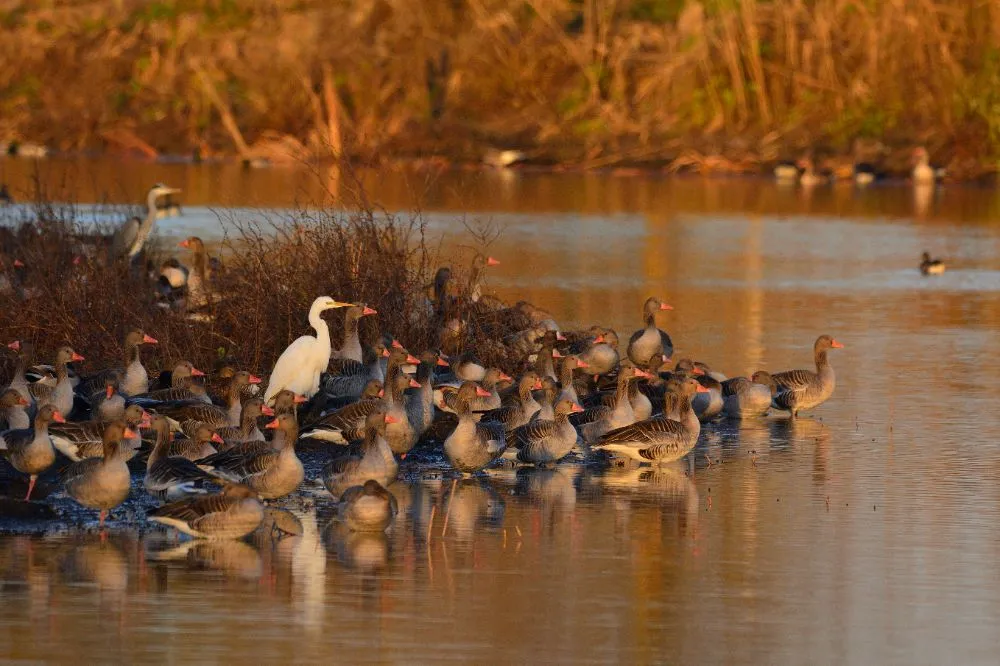
If you think birdwatching is a dry, expert-only hobby, Poda will completely change your mind.
- World-Class Optics: The terrace of the center features high-powered telescopes and binoculars. The friendly guides will adjust them for you to see baby birds being fed miles away.
- Interactive Exhibition: Inside, children can learn through fun educational games, listen to bird songs, and discover why this marshland is so vital for our planet.
- Easy and Safe Trails: A specially built wooden boardwalk guides you safely through the reeds without disturbing the wildlife. It is fully accessible for strollers.
Practical tips for your adventure:
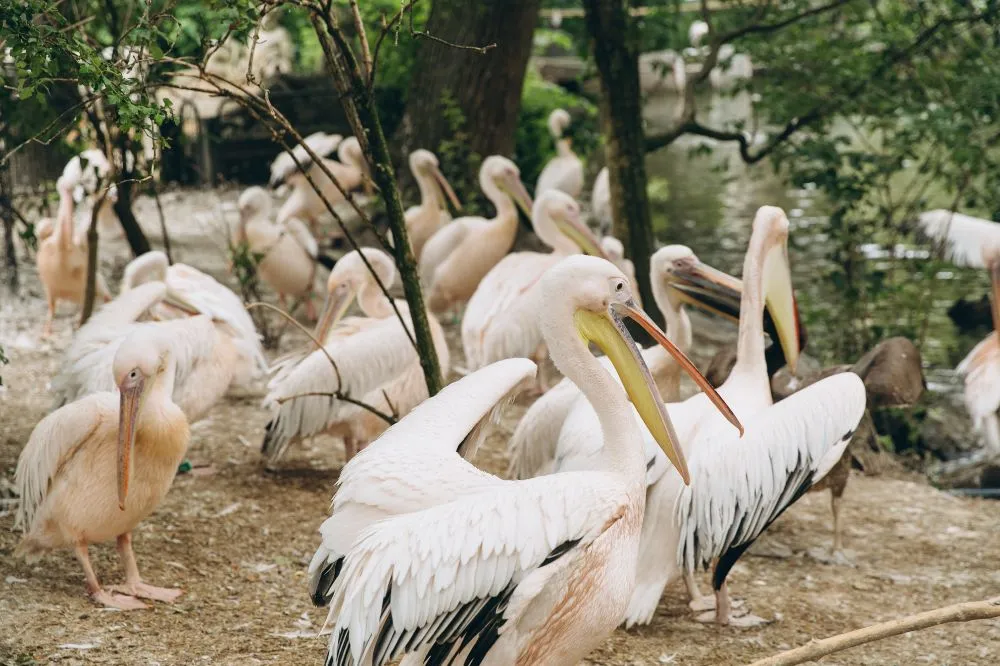
- Getting There: The center is located on the road from Burgas to Sozopol, right before the turnoff to Kraimorie.
- Best Time to Visit: Spring and autumn are magical because of the massive bird migration along the Via Pontica. However, summer is also packed with breeding activity.
- What to Bring: Comfortable shoes, water, sunscreen, and insect repellent. Binoculars and scopes are provided on-site.