



There are places that do not try to impress you with noisy attractions, enormous hotels or polished seaside resorts. Instead, they win you over quietly — with the scent of the forest, the sound of the waves and the feeling that time has slowed down.
Rosenets Park, known to generations of Burgas residents by its old name Otmanli, is exactly that kind of place. Located only about 15 kilometres south of Burgas, it is one of the most beautiful natural areas along Bulgaria’s southern Black Sea coast. Here, you can spend hours walking beneath shady trees, enjoy a picnic with friends, observe wildlife, swim at a peaceful beach or continue your day with a visit to the picturesque fishing village of Chengene Skele.
In this article, you will discover:
- the history of Rosenets Park;
- its natural treasures;
- the most interesting places to visit;
- opportunities for walking and relaxation;
- practical tips for planning your visit.
The history of Rosenets Park – from Otmanli to the present day
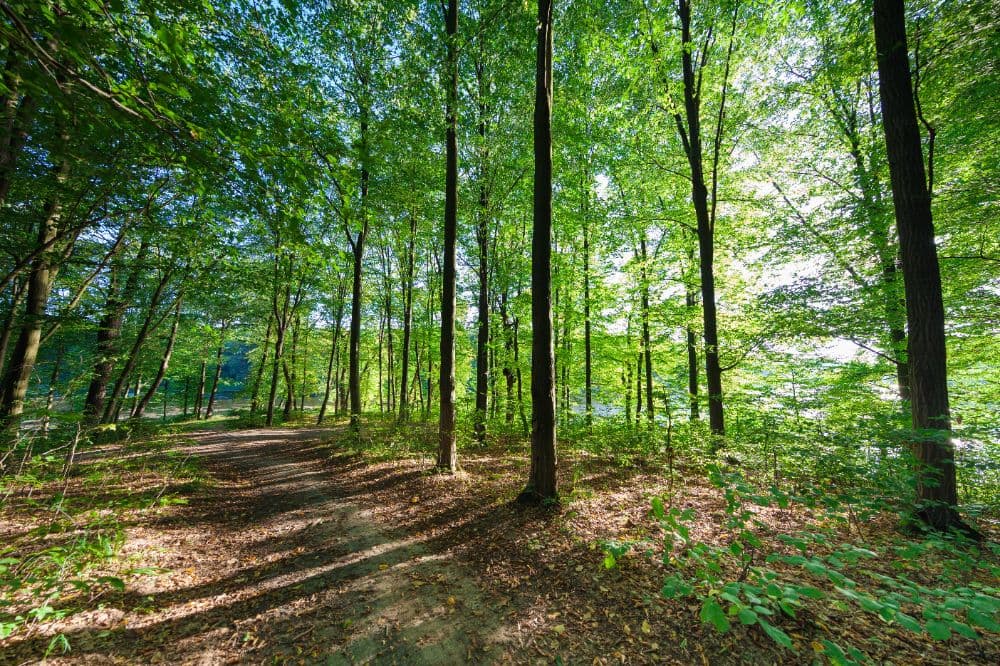
Although its official name today is Rosenets Park, many local people still call it Otmanli. The old name remains deeply connected to the memories of generations of Burgas residents who have visited the area since childhood for walks, family picnics and summer days by the sea.
The park lies within the territory of the village of Atia, on one of the northernmost ridges of the Strandzha Mountains. Its combination of coastal climate and rich deciduous woodland gradually turned the area into a favourite place for recreation.
During the socialist period, numerous holiday centres, cabins and guest facilities were built here. After the political and economic changes of the 1990s, some were abandoned, while others were renovated and given a new life. Today, the park brings together history, nature and tourism in a way that is difficult to find elsewhere around Burgas.
An ancient history few visitors know about
The area surrounding Rosenets Park has a much older story than most visitors realise. Archaeological excavations have uncovered traces of ancient metallurgical activity, suggesting that people mined and processed ore here more than two thousand years ago. One of the most intriguing discoveries is a marble statue of a miner, believed to date from around the fifth century BC.
The mining heritage of the wider region is also reflected in the history of the nearby village of Rosen, which remained known as a mining settlement until the late twentieth century. These discoveries give the area an unexpected historical importance that is still largely unknown to many tourists.
How large is Rosenets park?
Rosenets Park covers approximately 55 hectares, making it one of the largest green areas around Burgas.
Its extensive woodland, open meadows and network of paths allow visitors to walk for hours without feeling close to the city. Even during the busy summer season, the park rarely feels overcrowded, and it is usually easy to find a quiet corner surrounded by nature.
What can you do in Rosenets Park?
Walk through the forest
The woodland paths are among the park’s greatest attractions. They pass through cool deciduous forest, offering natural shade during the summer and turning into a colourful landscape of gold, orange and red in autumn. Whether you prefer a short and relaxing stroll or a longer walk through the trees, you can easily choose a route that suits your pace and mood.
Enjoy a picnic with friends
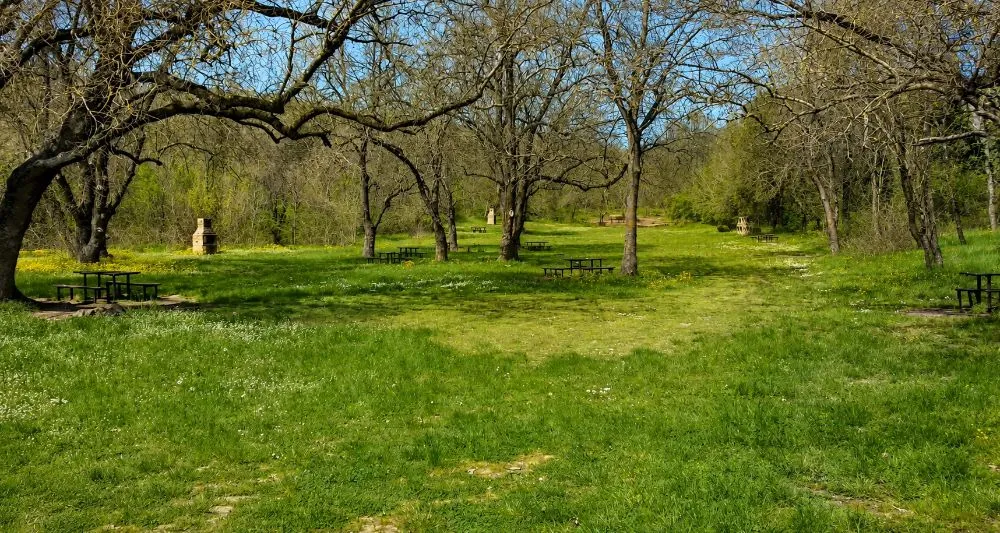
Near the entrance to the park, there is a large open meadow with tables, benches, fire pits, picnic shelters and a volleyball court. At weekends, the area often comes alive with families and groups of friends looking to escape the noise of the city and spend a few peaceful hours outdoors. The open space, shade and easy access make it especially suitable for relaxed gatherings in nature.
Explore the park by bicycle
The forest roads and paths are also suitable for cycling. Most routes are relatively easy and enjoyable, making them a good choice for beginners as well as families with older children. Cycling is also one of the best ways to explore a larger part of the park without rushing.
Photography – a place that changes with every season
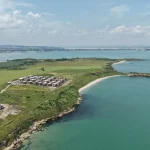
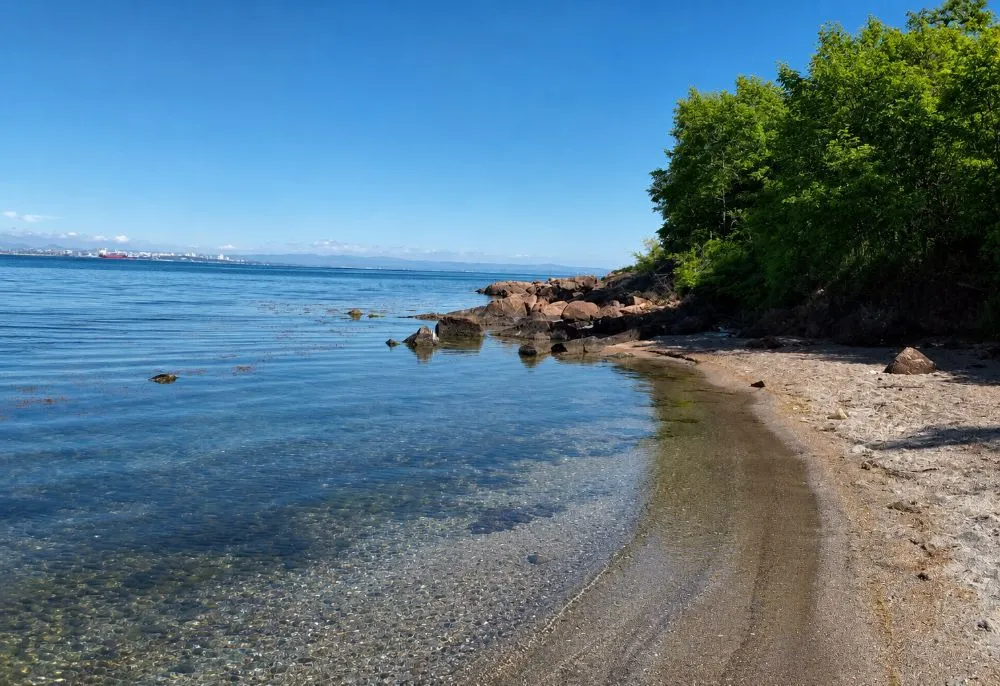
Whether you use a professional camera, a smartphone or a drone, subject to current regulations, Rosenets Park offers countless beautiful scenes to capture. Shady forest trails, mature trees, wide meadows and panoramic views of the Black Sea create excellent opportunities for photography throughout the year. From the beach, you can enjoy an impressive view towards St Anastasia Island, while a visit to Chengene Skele reveals a picturesque fishing harbour with boats, wooden piers and an unmistakable maritime atmosphere. Each season brings a different palette. Spring arrives with fresh greenery, summer with deep and vibrant colours, autumn with golden foliage and winter with a quieter, more contemplative landscape.
Observe local wildlife
The park is home to many birds, small mammals and a wide variety of plant species. For visitors who enjoy nature and silence, this is one of the best places near Burgas to stop, listen to birdsong and experience a slower rhythm. Even a short pause away from the main paths can reveal how alive the forest really is.
Rosenets Beach – a peaceful corner by the sea
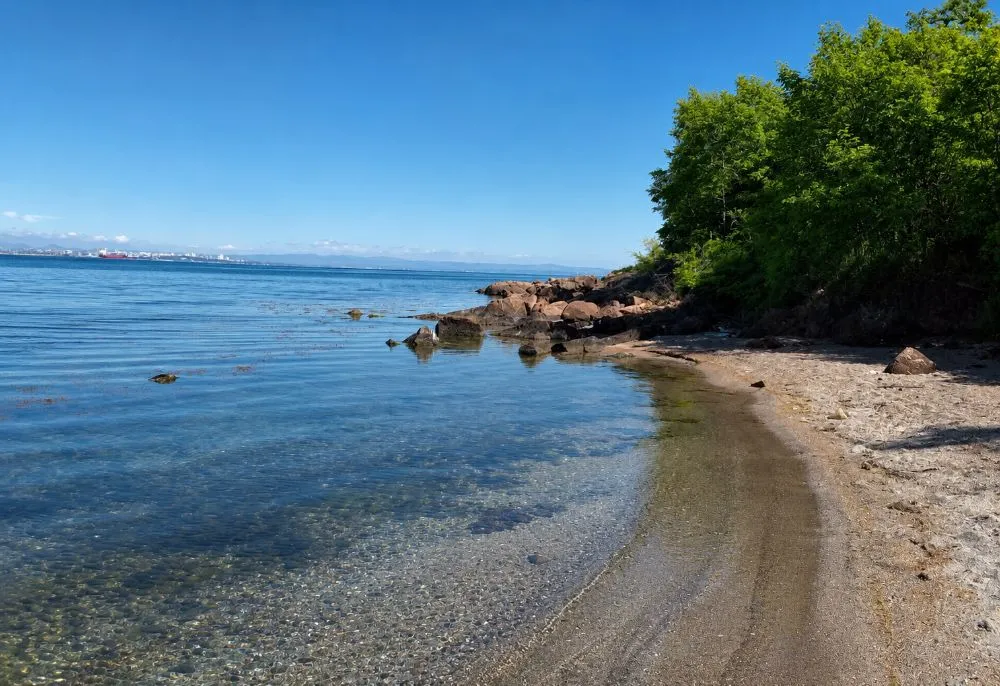
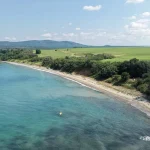
Rosenets Beach is one of the quieter beaches in the Burgas area. There are no enormous hotels or crowded promenades here, and the atmosphere remains calm and unhurried. The sand is fine, although in some areas it is naturally mixed with clay and soil. As a result, the water may appear slightly cloudy when the sea is rough. From the shore, visitors can enjoy one of the finest views of St Anastasia Island, located only around 1.5 kilometres away. Several small hotels, villas and holiday properties can also be found nearby, making the area suitable not only for a day trip but also for a longer and more relaxed family stay.
Chengene Skele – the natural continuation of your visit
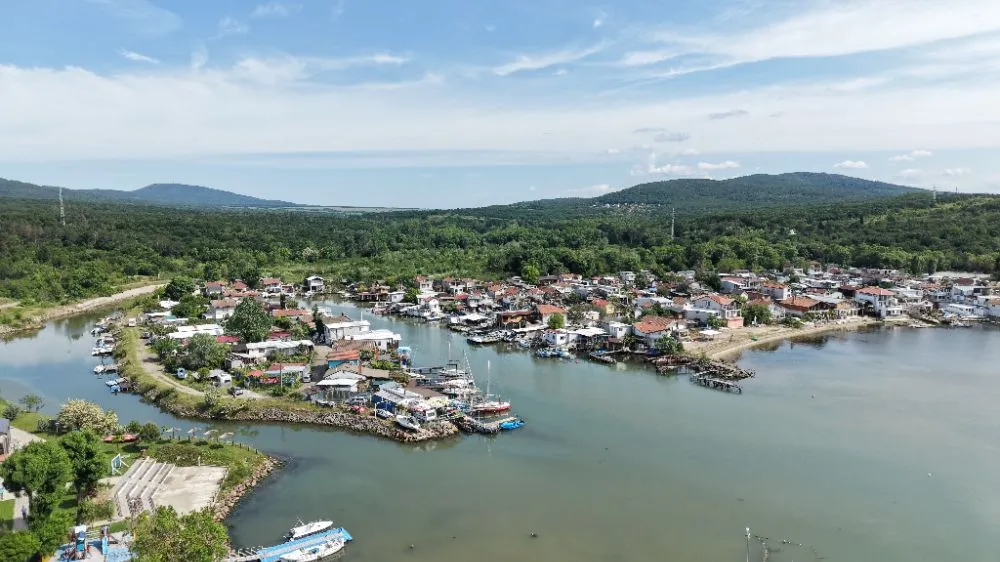
Only a few minutes from the park lies Chengene Skele, one of the most interesting places in Burgas Bay. Today, the historic fishing settlement has developed into a modern cultural and tourist complex with an attractive marina, a museum exhibition, restaurants, wooden walkways, a children’s playground and a varied programme of events throughout the year.
The combination of the greenery of Rosenets Park and the maritime character of Chengene Skele makes the area an excellent destination for a full-day outing.
You can begin with a morning walk beneath the trees, spend the afternoon by the sea and finish the day beside the fishing harbour.
The fishing village project that was never completed
One curious chapter in the area’s history dates back to the 1990s, when there were plans to build a large fishing settlement in the Rosenets area. The project was never fully completed, and traces of unfinished concrete structures can still be seen in some places today. Years later, the original idea found a far more successful expression in the renovated Chengene Skele complex, which has become one of the best-known attractions for cultural and maritime tourism near Burgas.
Is Rosenets Park suitable for children?
Rosenets Park is one of the best places for a family walk near Burgas. Its wide meadows, shady forest paths and peaceful atmosphere give children space to run, play and discover nature away from the noise of the city. There are no loud amusement rides or heavily developed entertainment areas. Instead, families will find real woodland, fresh air and plenty of picnic spaces where they can spend an easy and unhurried day together.
This natural environment makes the park especially appealing to parents who want their children to experience the outdoors rather than spend the day surrounded by screens, traffic and crowds.
When is the best time to visit?
The truth is that Rosenets Park has something to offer in every season. Spring brings fresh greenery, woodland flowers and pleasant temperatures that are ideal for longer walks. Summer offers cool shade beneath the trees and the opportunity to combine a forest walk with a swim in the sea. In autumn, the park turns into a landscape of yellow, orange and red, making it particularly attractive to photographers and nature lovers. Even winter has its own charm. The paths are often almost empty, the atmosphere becomes quieter and the park offers a genuine sense of escape from everyday life. Whenever you decide to visit, Rosenets has a way of revealing a different side of itself.
How to get to Rosenets park
By car, the journey from central Burgas takes approximately 20 to 25 minutes. The park is located around 15 to 16 kilometres south of the city. The area can also be reached by public transport. Bus number 5, minibuses travelling between Burgas and Sozopol, and intercity buses towards Sozopol stop near the turn-off for the village of Rosen, close to Strandzha Hut. From the stop, there is a short walk to the beginning of the park.
Useful tips for your visit
Comfortable shoes are recommended, as many of the paths pass through natural forest terrain. During the summer months, bring enough water, a hat and sun protection, particularly if you plan to spend time at the beach.
Those organising a picnic should use the designated shelters and barbecue areas and leave the surroundings as clean as they found them. The park’s beauty depends on visitors treating it with care.
It is also worth setting aside a full day for the area. Combining Rosenets Park with a visit to Chengene Skele or a boat trip to St Anastasia Island allows you to experience the full character of Burgas Bay — forest, sea, local history and fishing traditions in a single outing.
Why does Rosenets park remain one of the most loved places near Burgas?
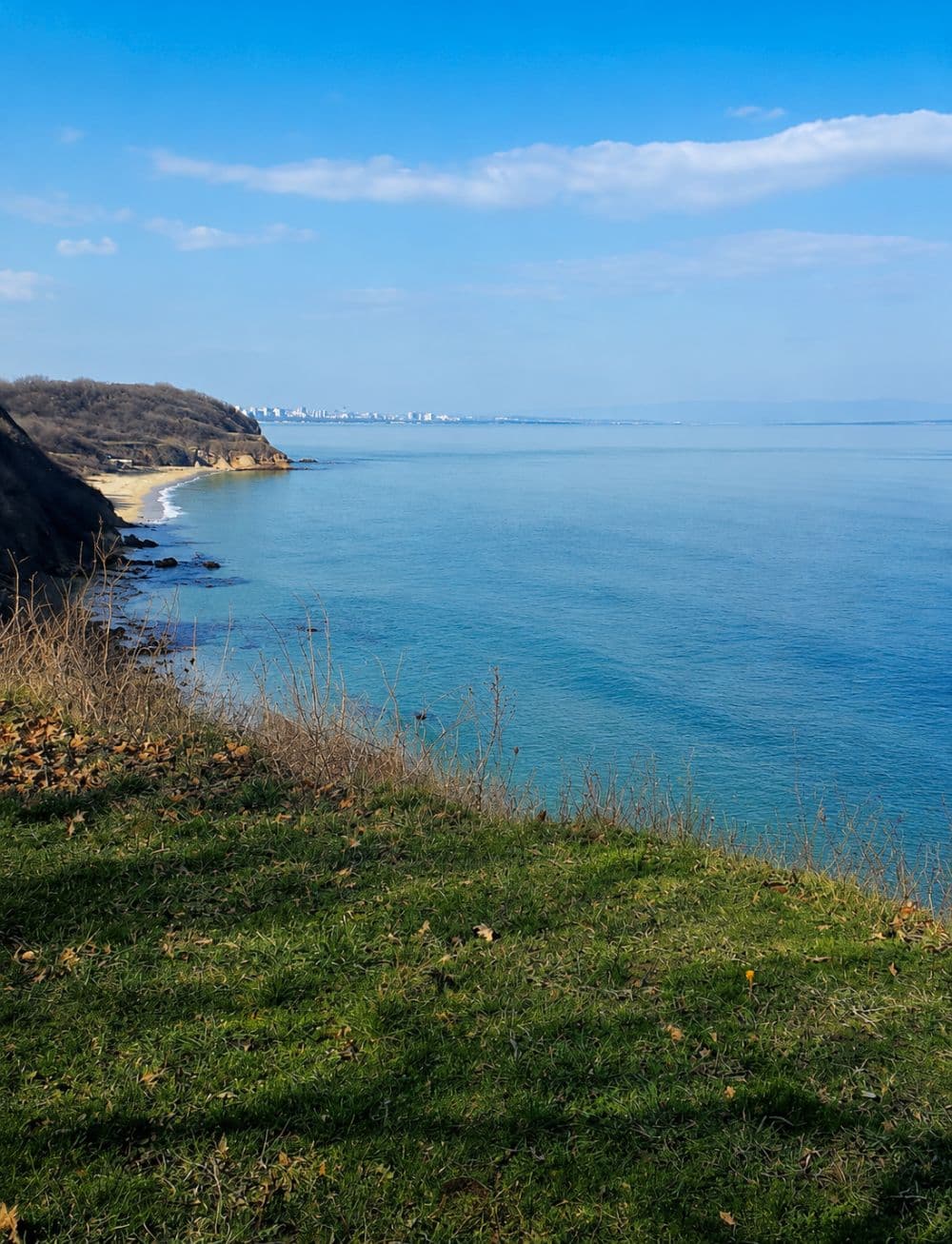
Rosenets park does not depend on luxury resorts or noisy attractions. Its strength lies in its tranquillity, fresh air and the feeling that only a few minutes after leaving the city, you have entered a completely different world.
Here, the forest meets the sea, and every path seems to lead towards a new view. You can spend the day walking, picnicking or relaxing on the beach, then continue towards Chengene Skele and immerse yourself in the atmosphere of the fishing village.
It is this variety — and the effortless way in which nature, history and the sea come together — that makes Rosenets Park one of those places people always want to return to.
Have you ever visited Rosenets Park? Which place do you love most — the forest paths, the beach or Chengene Skele? Share your experience with us and become part of the Kraimorie.com community!