



What to expect in this article: Most visitors come to Burgas for the beaches and leave without discovering one of the most authentic places on the Bulgarian Black Sea coast. In this guide, you’ll discover:
- Why Chengene Skele is unlike any other fishing village in Bulgaria
- The fascinating history that transformed a small fishing harbor into a cultural landmark
- What to see, taste, and experience during your visit
- The best nearby activities, from wakeboarding to boat adventures
- Practical tips to help you enjoy the area like a local
- Why this hidden destination leaves such a lasting impression
Chengene Skele fishing village: Where Bulgaria’s fishing heritage still lives
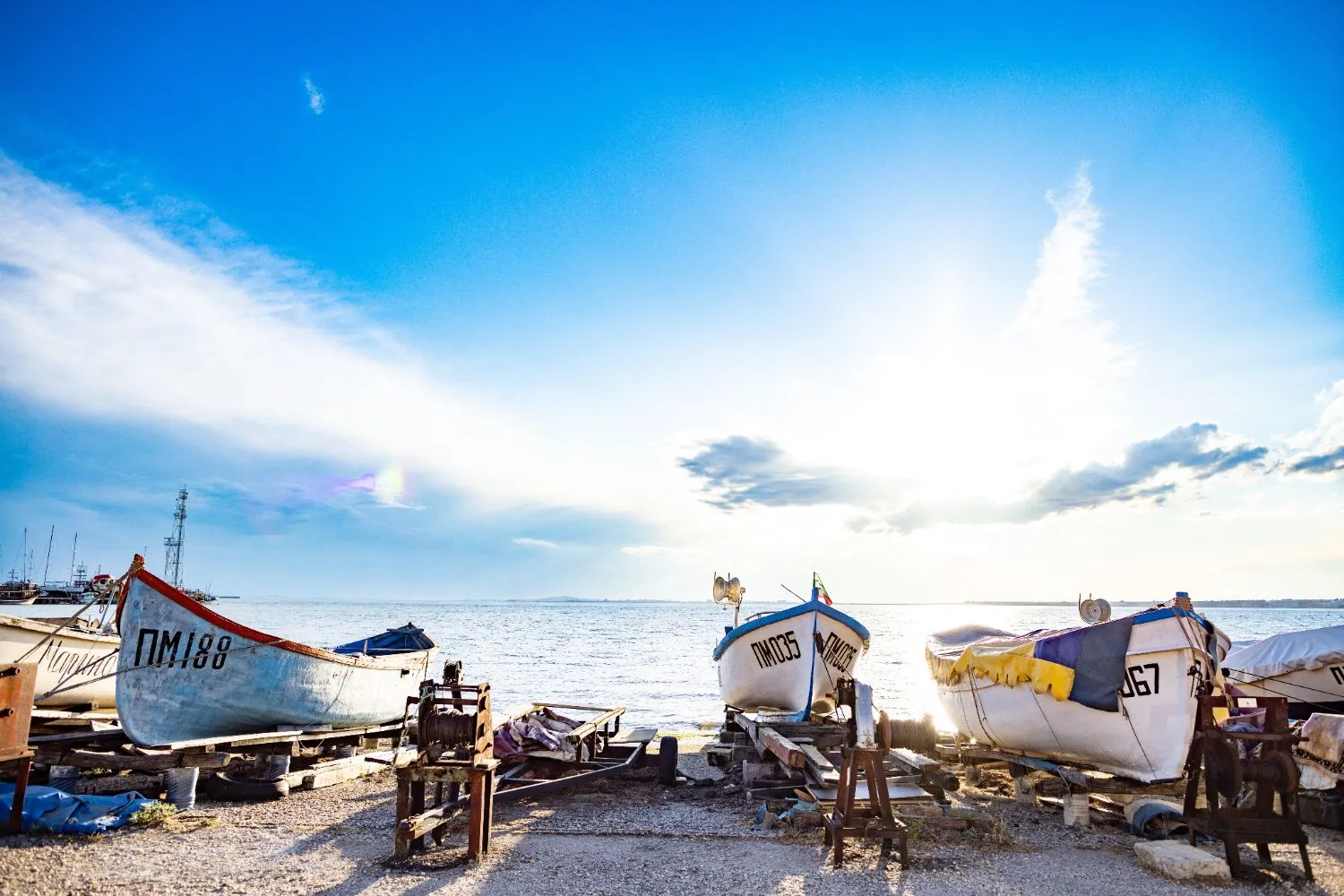
Most travelers believe the best coastal memories are made on crowded beaches. That is often the biggest mistake. Some of the most unforgettable places aren’t filled with beach bars or luxury resorts. They’re hidden behind quiet roads, weathered wooden boats, and stories that have been passed from one generation of fishermen to the next.
Just 15 kilometers south of Burgas lies Chengene Skele, the only authentic fishing village on Bulgaria’s Black Sea coast. It is a place where tradition hasn’t become a museum piece. It is still part of everyday life.
But here’s what many visitors never realize. This small village is much more than an attractive stop for photographs. Behind every fishing net, every handmade rope, and every old wooden boat lies a story of resilience, community, and a way of life that almost disappeared. And by the end of this article, you’ll understand why many people say Chengene Skele is one of the most meaningful places to visit around Burgas.
A village that was never meant to become a tourist attraction
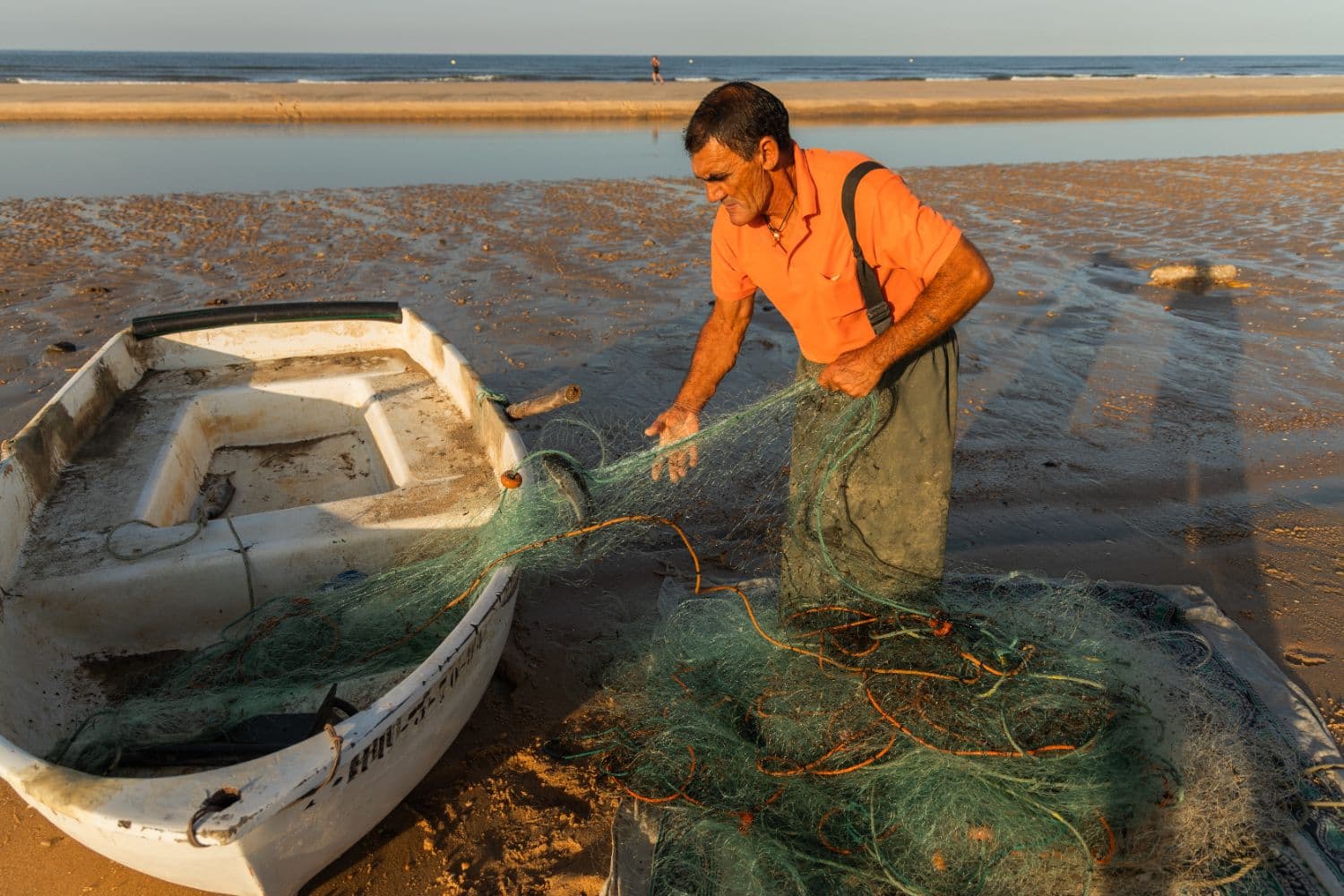
Many destinations are built specifically for visitors. Chengene Skele wasn’t. Its character was shaped by necessity rather than design. The bay takes its name from the Ottoman-era settlement of Chingane Iskelesi. For centuries, fishermen found shelter here, taking advantage of the calm waters of Burgas Bay.
Everything changed in 1972. As the Port of Burgas expanded, local fishing boats had to relocate. Their new home became this peaceful corner of the coastline. What could have been the end of a community instead became the beginning of a new chapter. Families continued fishing. Children learned from their parents. Traditional skills survived. Most people never realize that many authentic fishing villages across Europe gradually lost their identity as tourism expanded. Chengene Skele followed a different path. Instead of replacing its traditions, it found a way to protect them while welcoming visitors. That balance is one of its greatest strengths.
Walking through Chengene Skele feels like stepping into a living story
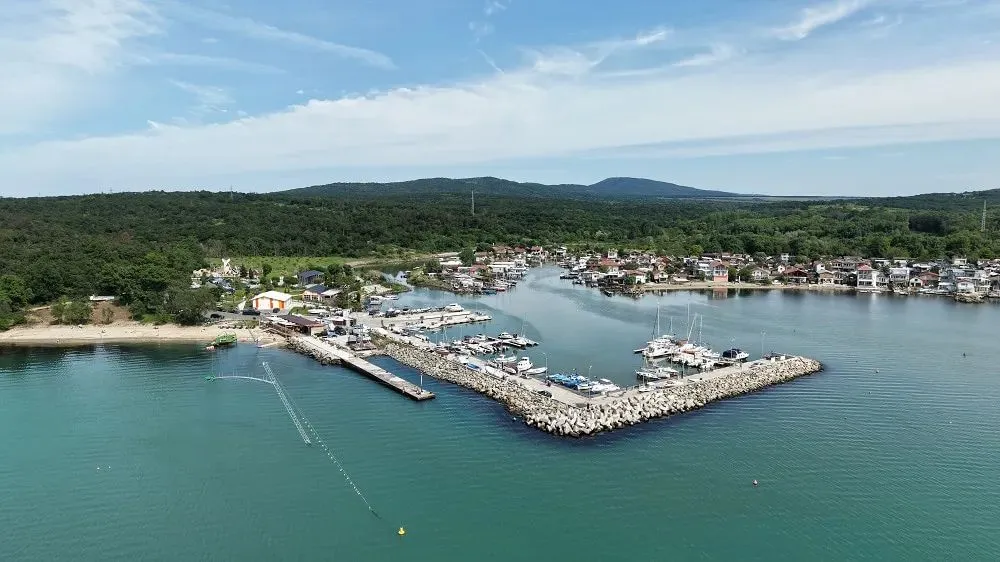
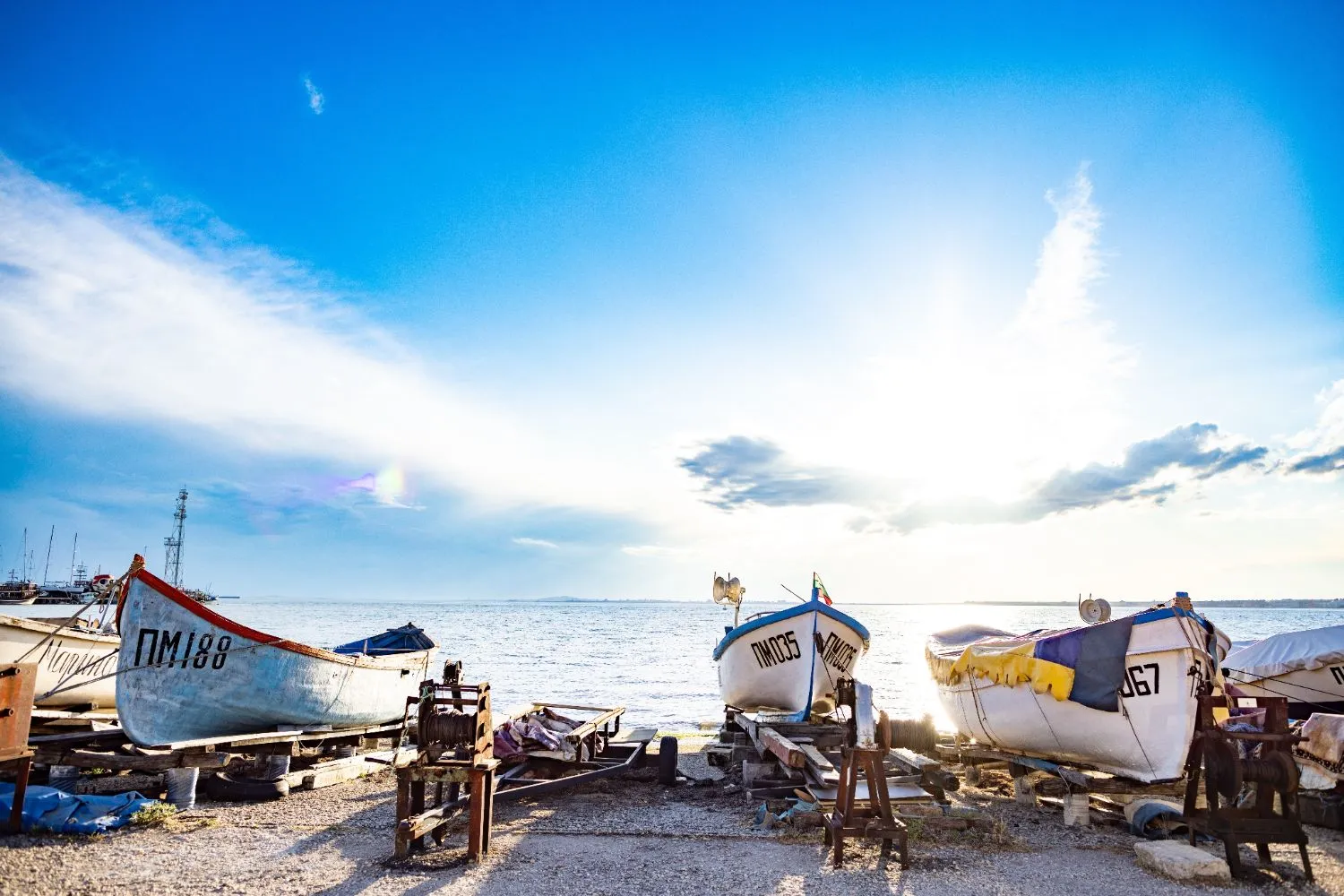
The first thing you’ll notice isn’t a famous monument. It’s the atmosphere. Fishing boats gently sway in the marina. The scent of the sea mixes with fresh fish being prepared nearby. Seagulls circle overhead while the quiet sound of ropes tapping against wooden masts creates a rhythm that feels timeless. Then you notice something unusual. The street names themselves tell stories. One of them, Konservna Street, was inspired by John Steinbeck’s famous novel Cannery Row, a fitting tribute to communities built around the sea. Nothing here feels artificial. Instead of polished tourist attractions, you’ll find genuine places where local culture still shapes daily life. This changes everything. You stop feeling like a tourist. You begin feeling like a guest.
The cultural and tourist complex that preserves more than history
Many museums display objects behind glass. Chengene Skele offers something much richer. Its Cultural and Tourist Complex invites visitors to experience the traditions rather than simply observe them.
The exhibition is divided into three beautifully designed houses.
Taifa
“Taifa” refers to a fishing crew, a group of fishermen working together as brothers. For more than a century, the word has symbolized teamwork along the Bulgarian Black Sea coast. Inside, visitors discover how fishing crews organized their work, shared responsibilities, and relied on complete trust while at sea.
Buruntia
Storms have always shaped life on the Black Sea. The Buruntia exhibition explores both the dangers and respect fishermen developed for the sea. Old equipment, personal belongings, historical photographs, and authentic tools create a powerful connection with those who spent their lives on the water.
Euxine Pontus
Long before modern Bulgaria existed, ancient Greeks called the Black Sea “Euxine Pontus.” This exhibition connects visitors with thousands of years of maritime history, showing how fishing has linked civilizations across the region for centuries. Together, these three exhibition houses create an experience that feels more like a journey than a museum visit.
The details most visitors remember long after they leave
Here’s what nobody tells you. The exhibitions are only part of the experience. Watching a fisherman weave a fishing net by hand changes your perspective. Creating each knot requires patience developed over decades. A single mistake could once have meant losing an entire catch.
Visitors can also watch demonstrations of traditional rope making and learn classic maritime knots that sailors have relied upon for generations. These aren’t staged performances. Many demonstrations are led by people whose families have spent their lives fishing these waters. That authenticity is impossible to manufacture.
More than a museum: Taste the Black Sea

History becomes much more memorable when you can taste it. The complex includes a welcoming restaurant and coffee club serving recipes collected from local families. Fresh Black Sea fish naturally takes center stage. Traditional mussels, seasonal seafood specialties, and homemade dishes reflect generations of coastal cooking. Simple ingredients become unforgettable through freshness rather than complexity. Take your time. Order slowly. Watch the boats while enjoying lunch. Sometimes the best part of traveling isn’t checking attractions off a list. It’s allowing yourself to simply be present.
Sustainability is shaping Chengene Skele’s future
Preserving tradition doesn’t mean resisting change. In fact, Chengene Skele has become one of Bulgaria’s most inspiring examples of sustainable tourism. Beginning around 2015, the Municipality of Burgas worked closely with local fishermen to protect both cultural heritage and the surrounding environment. The results are impressive. Traditional wooden architecture blends with environmentally responsible design. Native plants help strengthen coastal ecosystems.
Green spaces reduce heat while creating pleasant public areas. Energy-efficient lighting minimizes environmental impact. Single-use plastics are banned throughout the complex. Even transportation reflects this vision.
Visitors can reach Chengene Skele not only by road but also by a solar-powered tourist boat operating between Burgas Marine Station and the fishing village during the tourist season. Instead of overwhelming the local community, tourism actively supports its future. This is where many destinations struggle. Chengene Skele proves that preserving heritage and welcoming visitors can work together.
Beyond the fishing village: Turn one visit into a perfect coastal day
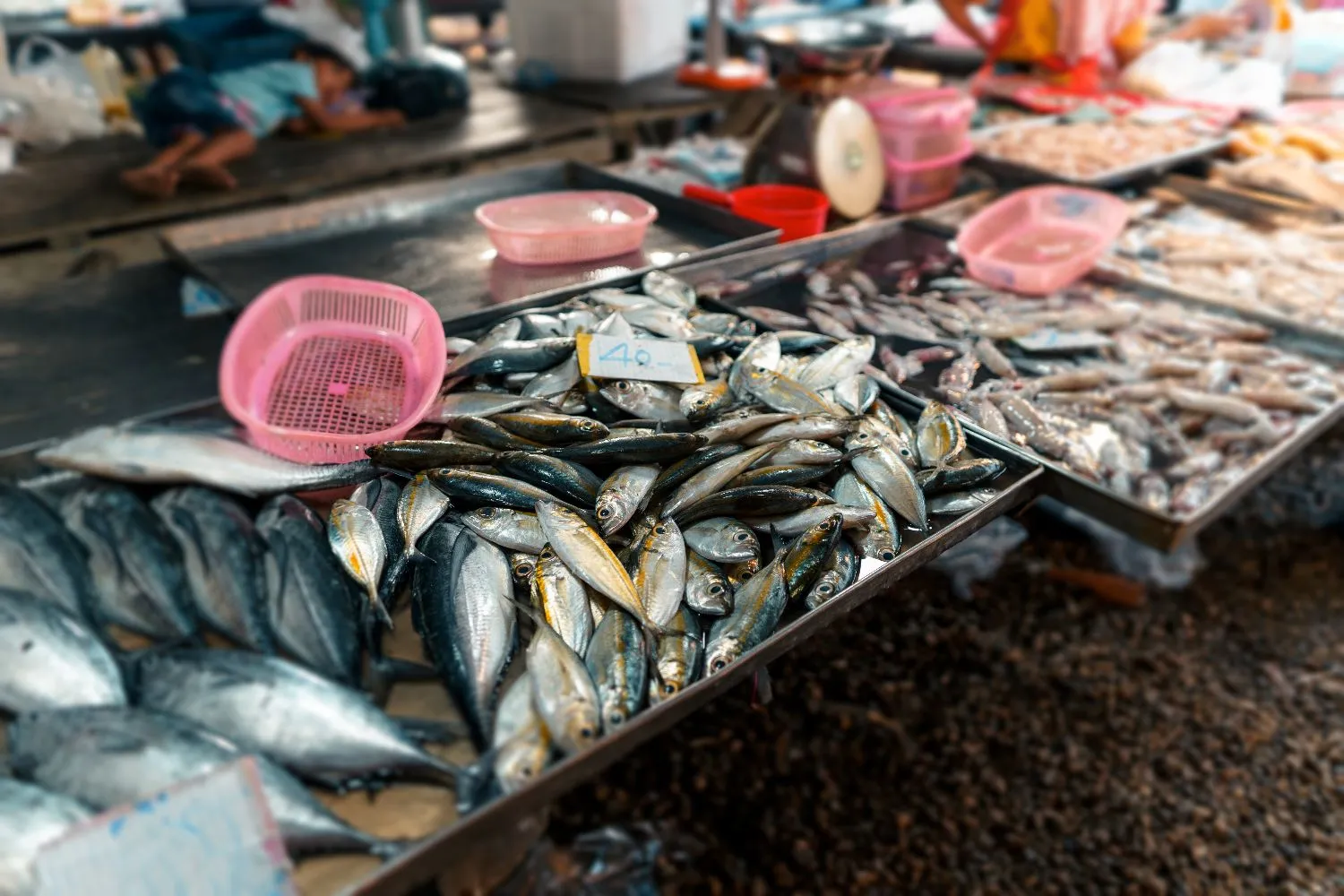
Many travelers spend only an hour here. That is another missed opportunity. The surrounding area offers enough experiences to create a full day along the southern Burgas coastline.
If you’re looking for more excitement after exploring the village, Wake Park Burgas is only a short drive away. Here, beginners and experienced riders alike can enjoy wakeboarding on a modern cable system, making it one of the most popular water sports destinations in the region.
Prefer something faster? Several nearby operators offer jet ski experiences across Burgas Bay, giving visitors a completely different perspective of the coastline.
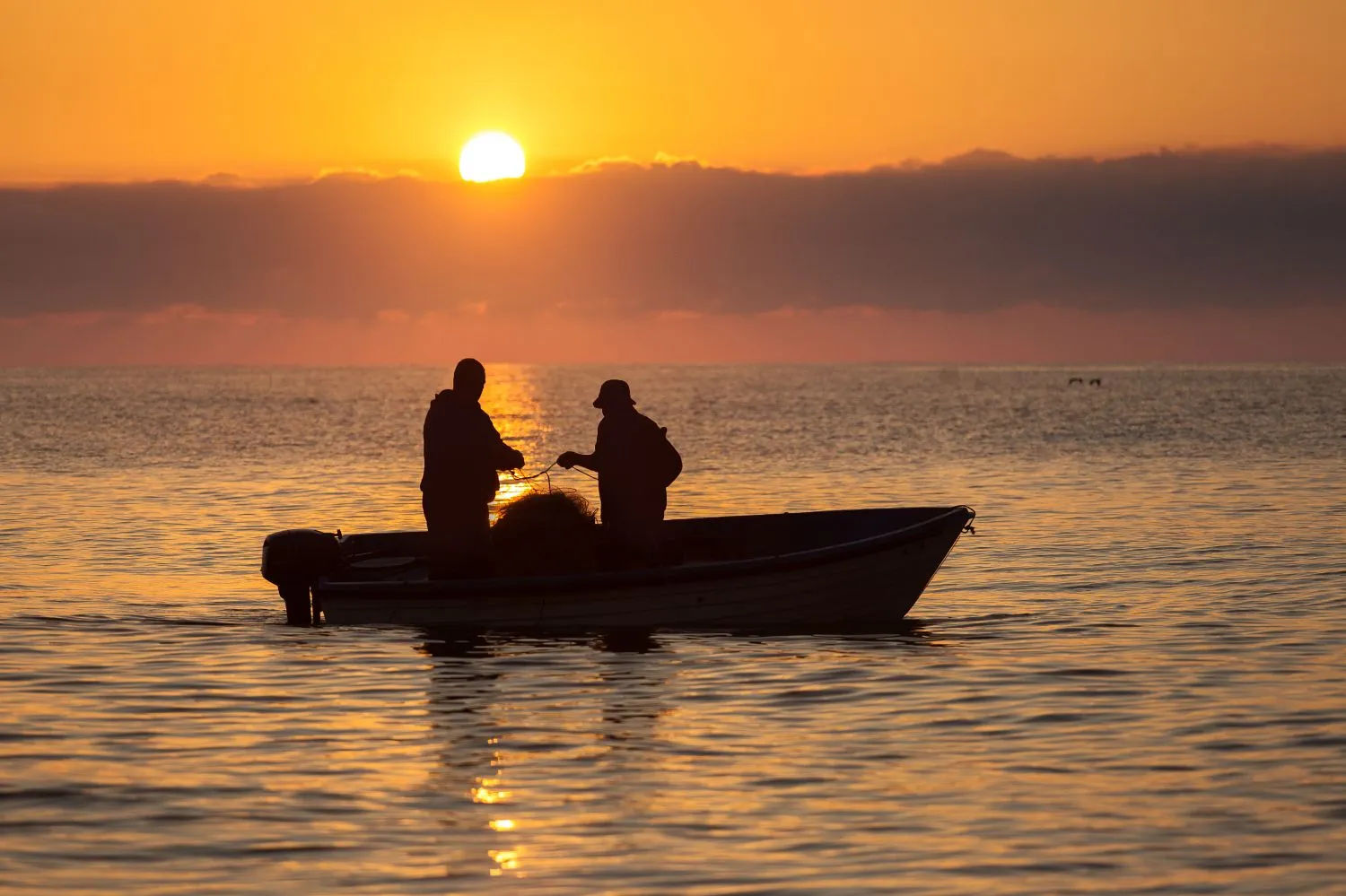
For a slower adventure, consider joining a boat trip from the nearby marina. As the sun begins to set, Burgas Bay transforms into shades of gold, orange, and deep blue. It becomes easy to understand why generations of fishermen remained connected to these waters.
If you’re traveling with children, the small beach next to the complex provides a relaxed place to swim, while the amphitheater and open public spaces regularly host cultural events throughout the warmer months. One destination. Many completely different experiences.
The biggest mistake first-time visitors make
If I could offer only one piece of advice, it would be this. Don’t rush. Most people arrive, take a few photographs, eat lunch, and leave. They completely miss what makes Chengene Skele special. Arrive in the late afternoon. Walk slowly through the exhibitions. Talk to the local guides. Watch fishermen preparing their equipment. Stay for sunset.
Notice how the atmosphere changes as the marina becomes quieter and the evening light reflects across the water. That is when Chengene Skele feels most authentic. And that is the memory most visitors carry home.
Why Chengene Skele represents the future of cultural tourism
The most successful destinations aren’t always the biggest. They’re the ones that create genuine emotional connections. Chengene Skele succeeds because it isn’t trying to become another entertainment complex. Instead, it protects something increasingly rare. Identity.
Every artifact donated by local fishermen; every traditional recipe; every story shared with visitors; every carefully restored boat – together they preserve a culture that could easily have disappeared. Instead, it continues to grow.
Today, the project supports local employment, creates year-round tourism opportunities, strengthens environmental awareness, and encourages younger generations to appreciate the traditions of the Black Sea. That impact extends far beyond tourism.
How to get there
One of the best things about Chengene Skele is how easy it is to reach, whether you’re staying in Burgas or exploring the southern Black Sea coast.
By car
The fishing village is located approximately 15 kilometers south of Burgas, making it an easy 20 to 25-minute drive. The roads are well maintained, and parking is available near the Cultural and Tourist Complex. If you’re planning a day of exploring, Chengene Skele combines perfectly with nearby attractions such as Poda Protected Area, Kraimorie beach, and Wake Park Burgas.
By boat
For a more memorable arrival, travel by sea. During the tourist season, a solar-powered passenger boat operates between the Burgas Marine Station and Chengene Skele on selected days. The short journey across Burgas Bay offers beautiful views of the coastline and allows visitors to experience the village the same way fishermen have approached it for generations. Arriving by water adds a special touch to the visit and often becomes part of the experience rather than simply transportation.
By bicycle
If you enjoy cycling, Chengene Skele is also a rewarding destination. The relatively flat coastal terrain makes the ride enjoyable for recreational cyclists, especially during spring and autumn when temperatures are comfortable. The route offers changing views of the sea, coastal vegetation, and the surrounding landscape, making the journey almost as enjoyable as the destination itself.
Best time to visit
The village welcomes visitors throughout the year, but each season offers a different atmosphere.
Spring brings blooming coastal vegetation and pleasant temperatures, making it ideal for leisurely walks.
Summer is the liveliest season, with demonstrations, boat trips, outdoor events, and the restaurant serving freshly prepared local specialties.
Autumn is often considered a favorite by photographers. The softer light, quieter surroundings, and colorful sunsets create a particularly peaceful atmosphere.
Even in winter, Chengene Skele has its own charm. The calm marina and quiet waterfront reveal the authentic rhythm of a working fishing community without the crowds.
Visiting with kids
Chengene Skele is one of those rare destinations where children can have fun while naturally learning something new. Instead of simply looking at exhibits, young visitors can watch traditional fishing nets being woven, discover old maritime tools, and learn how fishermen once navigated the Black Sea using experience rather than modern technology. The interactive demonstrations help bring history to life in a way that feels engaging rather than educational.
One of the highlights for families is the fantastic outdoor playground located within the complex. Spacious, modern, and thoughtfully designed, it offers plenty of opportunities for climbing, balancing, and imaginative play. During the cooler parts of the day, especially in spring, autumn, and the mornings or late afternoons in summer, it becomes the perfect place for children to run, explore, and burn off energy.
In fact, the playground has become a favorite meeting place for families from Burgas throughout the year. Many parents visit not only because of the fishing village itself, but because their children genuinely enjoy spending time here. The combination of fresh sea air, open green spaces, and safe play areas creates a relaxing day out for the whole family.
Families can also enjoy the small beach next to the complex, where children can safely play by the water while parents relax with views across Burgas Bay.
The open spaces around the marina provide plenty of room for walking, and the amphitheater frequently hosts cultural events during the warmer months, adding another layer to the family experience.
After exploring, the local restaurant offers fresh seafood along with dishes suitable for younger visitors, making it easy to enjoy a relaxed family lunch without rushing. Perhaps the greatest lesson children take home isn’t found inside the exhibitions. It’s the opportunity to see a community where traditions, craftsmanship, and respect for nature still play an important role in everyday life. In a world increasingly dominated by screens, Chengene Skele offers something refreshingly real.
Final thoughts
Chengene Skele isn’t simply a place you visit. It’s a place you experience. You arrive expecting a small fishing village. You leave with a much deeper appreciation for the people, traditions, and coastline that shaped this corner of the Black Sea. Long after the photographs fade into your phone gallery, you’ll remember something else. The sound of the boats. The smell of the sea. The conversations with local fishermen. The calm that settled over the harbor as the sun disappeared beyond Burgas Bay. Sometimes the most memorable journeys don’t take us the farthest. They simply help us see a place, and its people, a little differently.