



Choosing the right location has always been the single most important factor in real estate investment. Even an outstanding architectural project or a well-designed business model cannot fully compensate for the limitations of an area with little long-term development potential. This is precisely why an increasing number of investors are turning their attention to Kraimorie, a coastal district of Burgas that has experienced remarkable growth in recent years and is steadily emerging as one of the most promising investment destinations along Bulgaria’s Southern Black Sea coast.
Kraimorie – The new investment destination on Bulgaria’s southern Black Sea coast
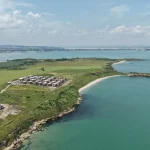
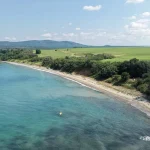
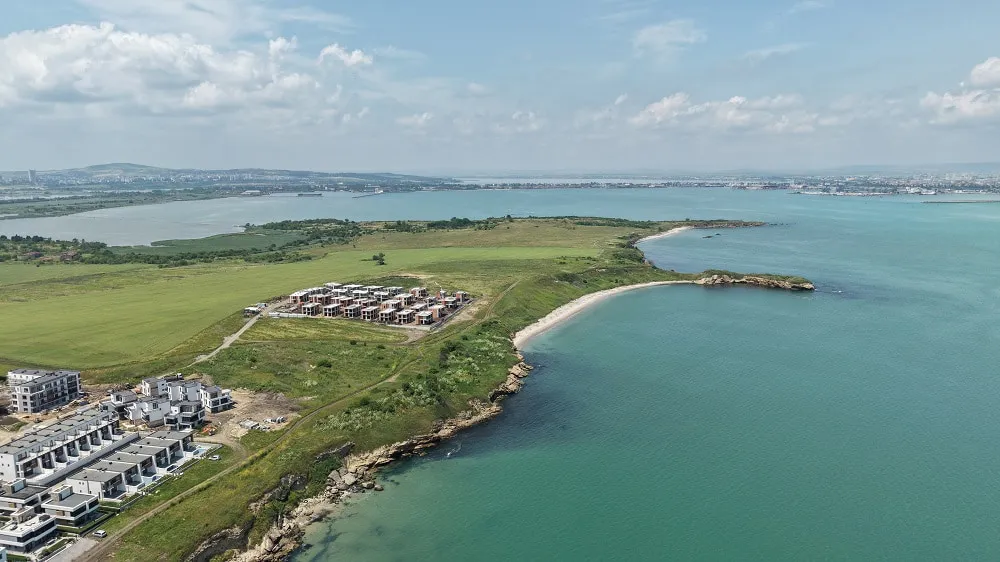
Until recently, Kraimorie was primarily known as a peaceful seaside neighborhood suitable for summer holidays or for people seeking a quieter lifestyle away from the pace of the city. Today, however, the picture is very different. Improved infrastructure, a revitalized waterfront, expanding residential development and steadily growing investor interest have significantly transformed the district. Kraimorie is increasingly establishing itself as Burgas’ natural seaside suburb—a location that offers a higher quality of life while maintaining direct access to the region’s economic, commercial and administrative center.
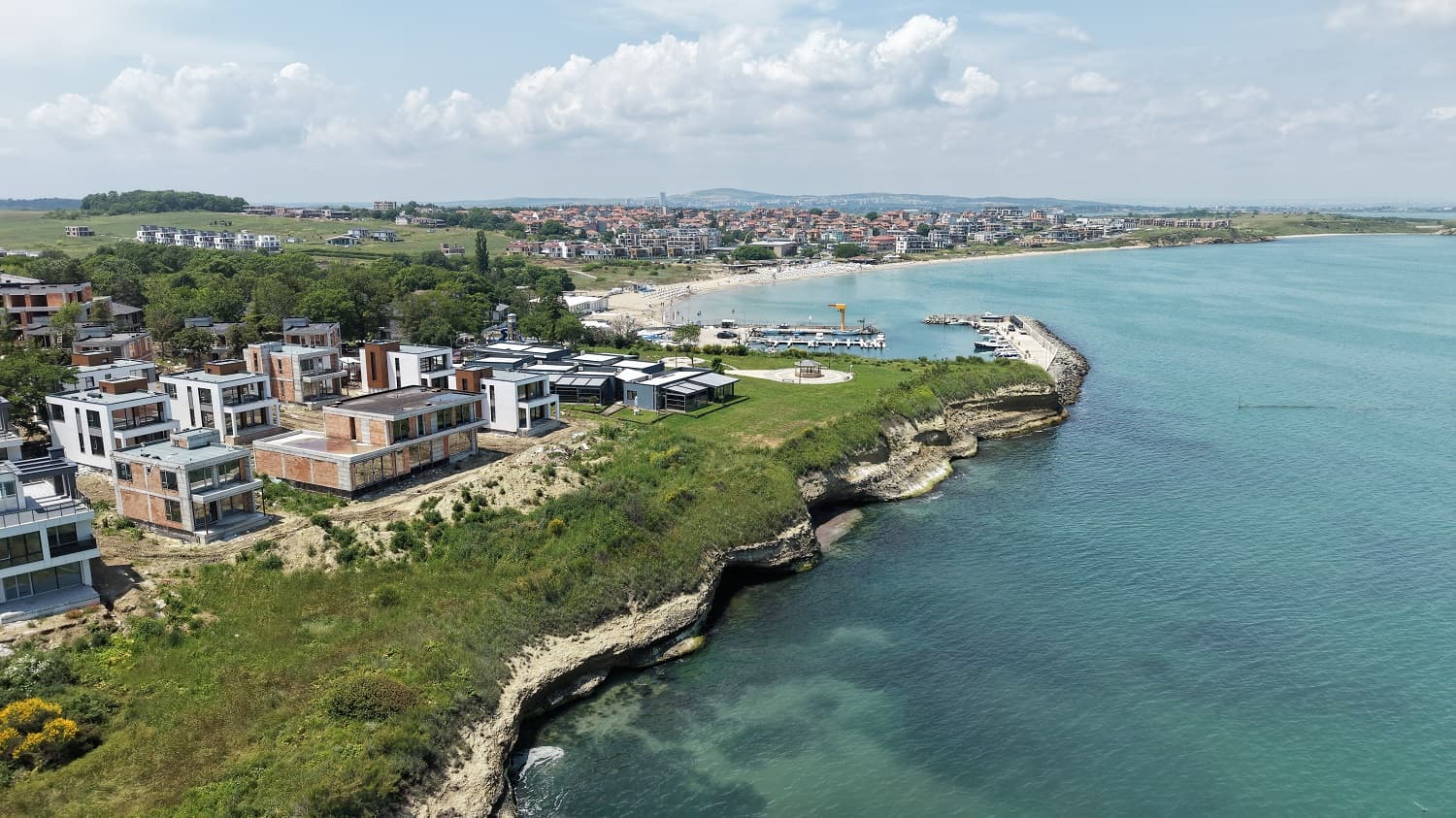
Beyond residential property, the area also presents opportunities in land acquisition, commercial real estate, tourism-related developments, logistics facilities and service-oriented businesses catering both to the local community and to the continuously growing number of visitors. This diversity of investment opportunities distinguishes Kraimorie from many other coastal destinations where economic activity depends almost entirely on the summer tourism season.
Naturally, every investment should be evaluated not only through the lens of potential returns but also by considering the factors that influence its long-term value. The Municipality of Burgas’ Master Development Plan (MDP), infrastructure projects, zoning regulations, administrative procedures and the broader development strategy for the region often have a far greater impact on property values than current market prices alone.
For that reason, this analysis goes far beyond a traditional real estate market overview. Its objective is to provide a comprehensive assessment of Kraimorie’s investment potential by examining every major sector—including residential development, land investment, tourism, commercial property, logistics and the district’s long-term growth prospects.
Why more investors are choosing Kraimorie
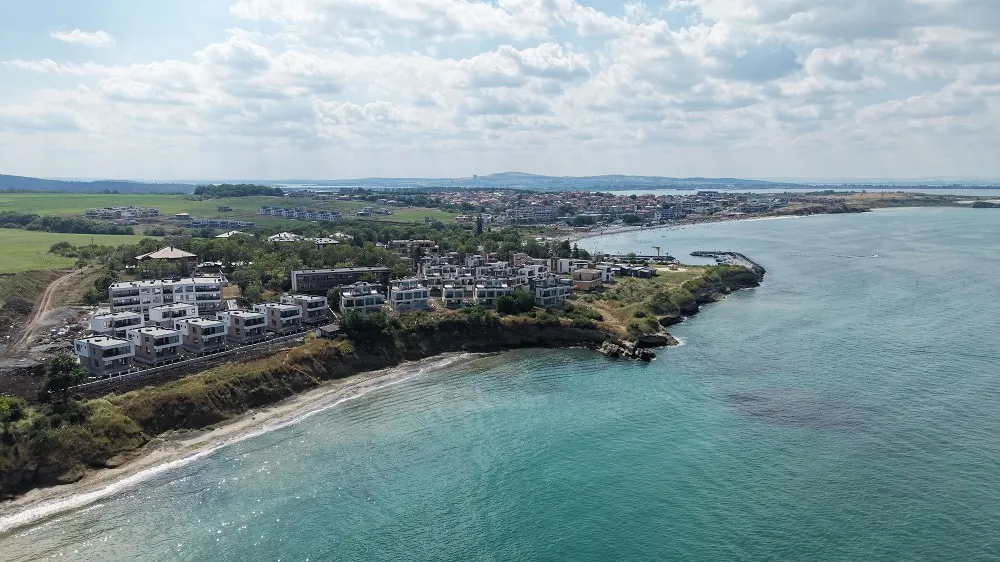
Over the past decade, Burgas has firmly established itself as one of Bulgaria’s strongest regional economic centers. The expansion of industrial zones, modernization of the Port of Burgas, continuous development of Burgas International Airport, improvements to the road network and sustained demand in the residential property market have all contributed to the city’s gradual expansion toward its surrounding districts. Among them, Kraimorie stands out as one of the areas with the strongest long-term development fundamentals.
Its location is arguably its greatest competitive advantage.
The district enjoys direct access to the Black Sea while remaining only a few minutes by car from the center of Burgas. For professionals working in the city but seeking a quieter, greener living environment, this combination is particularly attractive. This trend is gradually transforming Kraimorie into what could best be described as Burgas’ seaside suburb—a model commonly seen around major coastal cities across Europe, where residents enjoy a peaceful residential environment without sacrificing proximity to employment, education and essential services.
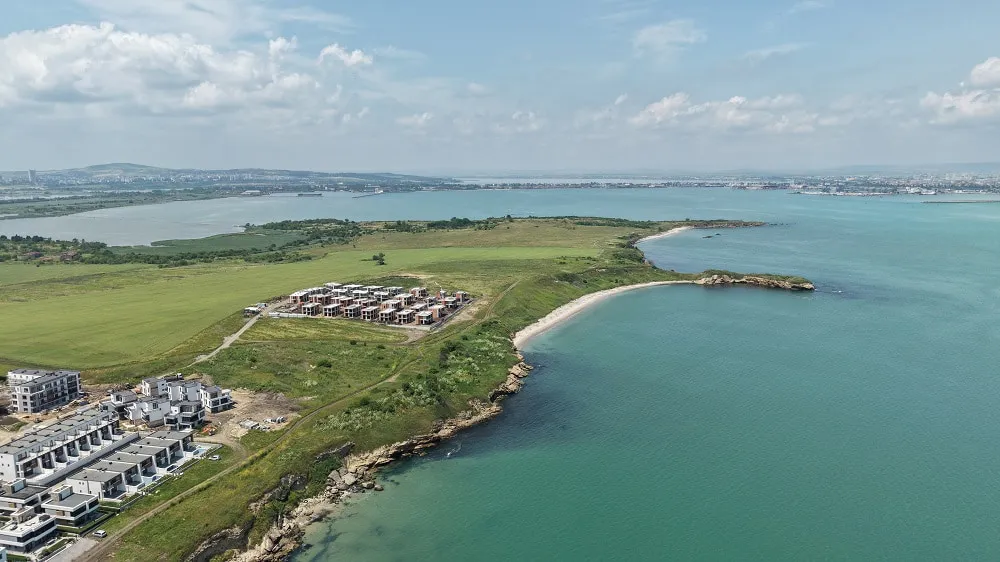
Another major advantage is Kraimorie’s strategic position along the Burgas–Sozopol coastal road. Besides providing quick access to Bulgaria’s Southern Black Sea resorts, this transport corridor carries substantial tourist and commercial traffic throughout the active season. As a result, the district offers opportunities that extend well beyond housing. Retail developments, hospitality businesses, logistics facilities and service-oriented enterprises all benefit from this strategic location and the steady flow of residents and visitors passing through the area.
Public infrastructure
In recent years, several public infrastructure projects have further strengthened Kraimorie’s appeal. The renovation of the beach area, improvements to the fishing harbor and upgrades to public spaces have significantly enhanced both the district’s attractiveness and its long-term image. For experienced investors, such public investments often signal a municipality’s long-term commitment to the area’s future development.
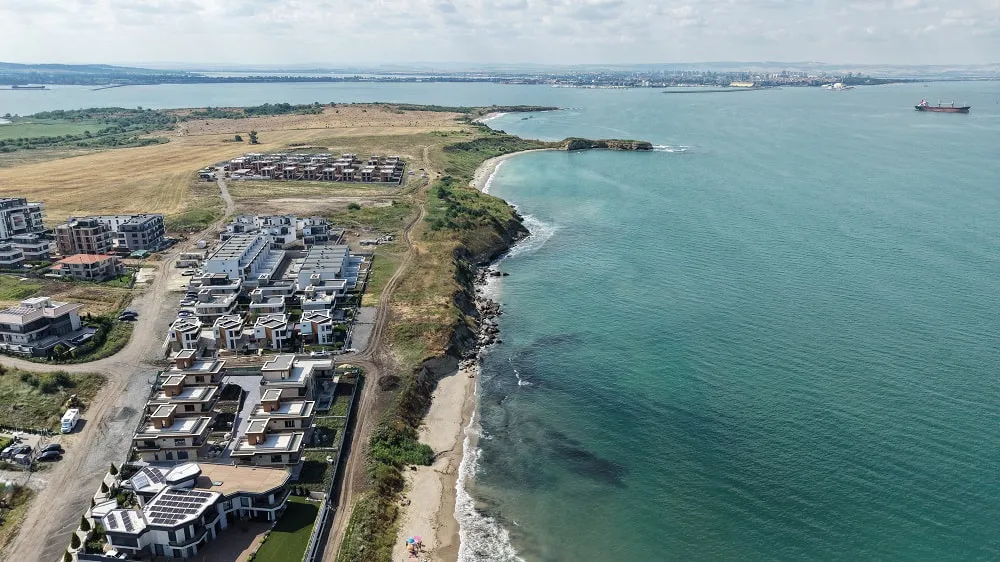
Kraimorie also benefits from its proximity to several of the region’s best-known natural and cultural attractions, including:
Poda Protected Area, one of Bulgaria’s most important birdwatching and nature conservation sites;
Chengene Skele Cultural and Tourist Complex, which has become one of the most visited attractions in the Burgas region;
ferry connections to St. Anastasia island, one of Bulgaria’s most recognizable Black Sea landmarks.
Together, these attractions help generate visitor traffic throughout much of the year rather than only during the summer season, creating favorable conditions for the gradual development of year-round tourism and related businesses.
The master development plan – The key factor that shapes future property values
When evaluating real estate, investors often focus primarily on location, purchase price or expected rental returns. In reality, however, one of the most important factors influencing future value is urban planning.
This is where Kraimorie enjoys one of its strongest long-term advantages.
According to the current Master Development Plan (MDP) of the Municipality of Burgas, the district is designated primarily for low-rise residential development. At first glance, this may appear to limit development opportunities by preventing the construction of dense, large-scale apartment complexes. From a long-term investment perspective, however, this planning policy is generally beneficial.
Restricting overdevelopment helps preserve open spaces, sea views, lower population density and the overall quality of the living environment—all characteristics that traditionally support sustainable property appreciation.
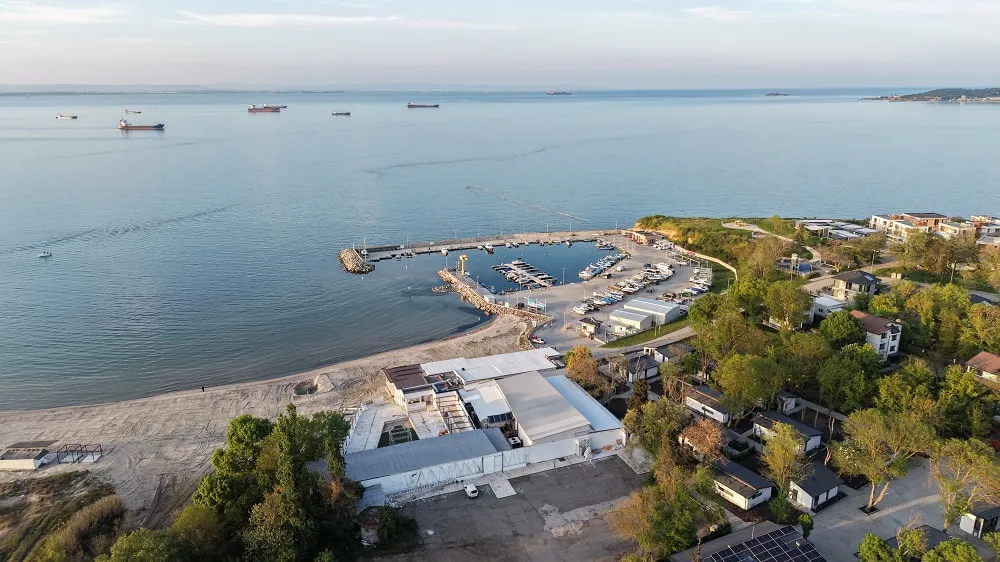
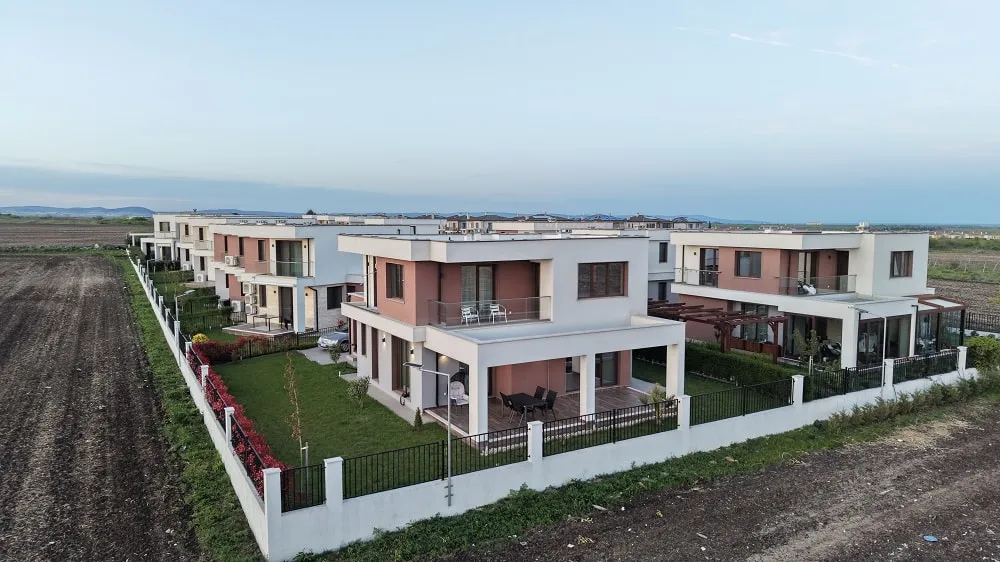
This planning philosophy clearly differentiates Kraimorie from many other coastal destinations where intensive construction has gradually reduced green areas, placed increasing pressure on infrastructure and diminished overall quality of life.
The limited supply of land suitable for high-quality residential development is one of the key reasons why many investors view Kraimorie as a market with sustainable long-term growth rather than one driven solely by seasonal tourism.
Of course, planning regulations also create certain challenges. Some undeveloped land still requires additional planning procedures, internal infrastructure, utility connections and regulatory approvals before construction becomes feasible. For this reason, every investment project should be evaluated not only according to its location but also according to its planning status, permitted building parameters and the administrative procedures required before development can begin. These aspects will be examined in greater detail throughout the following sections of this guide.
Residential real estate – Kraimorie’s most active investment sector
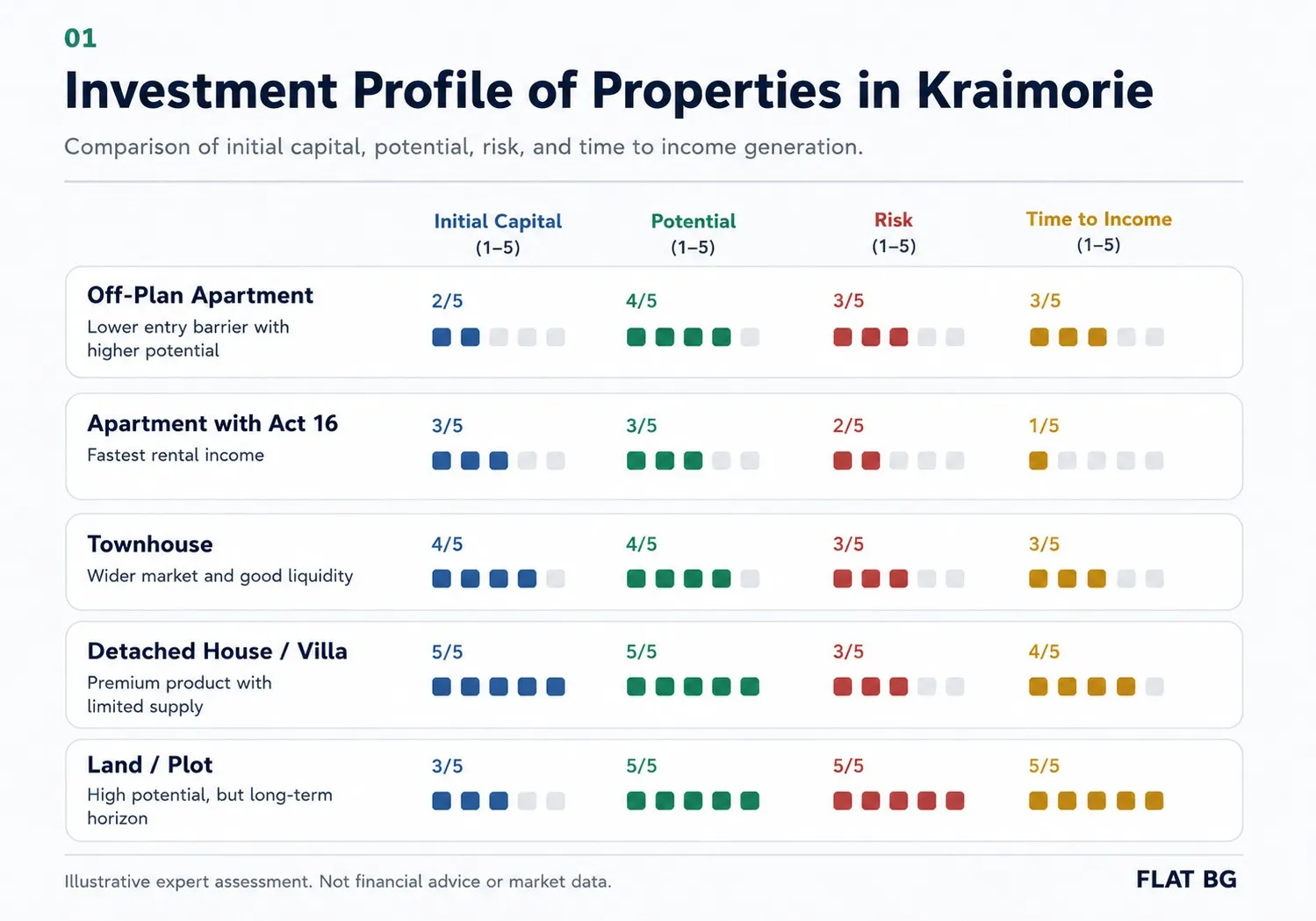
Residential property remains the driving force behind investment activity in Kraimorie.
Growing demand for year-round housing, limited availability of high-quality coastal homes and planning policies that restrict excessive development continue to support strong interest from both private buyers and professional investors.
In the next section, we will examine the most common residential investment strategies in detail, including:
- buying property off-plan;
- investing in completed properties with an Occupancy Permit (Act 16);
- rental investment strategies;
- and why, in certain situations, purchasing a completed property may generate a higher overall return than investing in lower-priced new developments during construction.
This is one of the most overlooked aspects of real estate investing, yet it has a direct impact on the true return on invested capital.
Residential properties – The driving force behind Kraimorie’s property market
The residential sector is the fastest-growing segment of Kraimorie’s property market and has attracted the greatest interest from both private buyers and developers in recent years. The appeal extends far beyond the district’s coastal location.
An increasing number of people are looking for an opportunity to live outside the busy urban environment without giving up the convenience of a regional city like Burgas. This shift in buyer preferences is gradually transforming Kraimorie from a seasonal holiday destination into a year-round residential community.
For investors, this represents a significant market signal. While vacation homes rely heavily on seasonal tourism, residential properties designed for permanent living benefit from more stable demand and generally offer more predictable long-term returns.
Buying off-plan – lower entry costs with a longer investment horizon
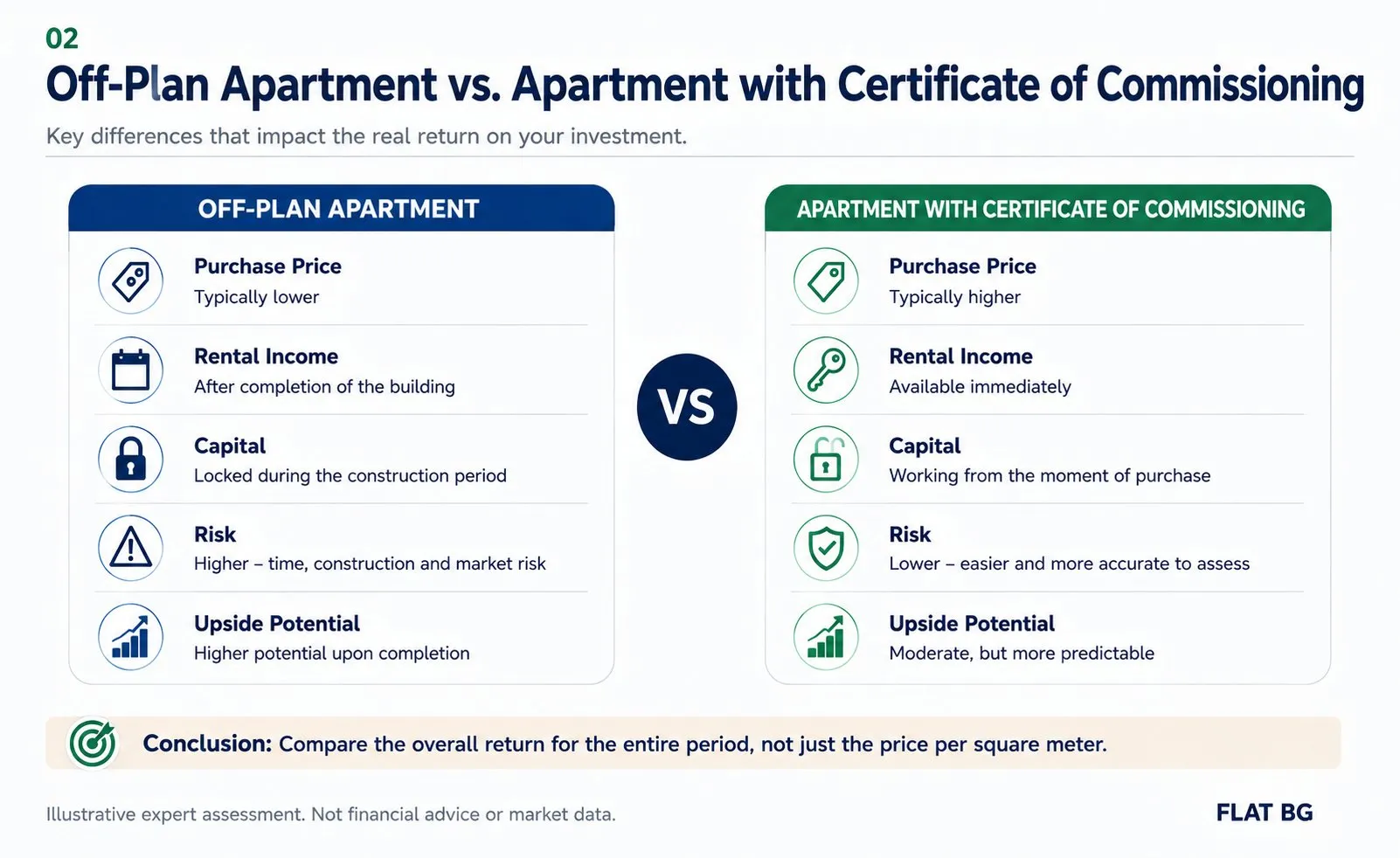
Purchasing property during the early stages of construction has traditionally been one of the most popular strategies for generating capital appreciation.
Its primary advantage is straightforward: buyers can usually acquire a property at a lower price than after the building receives its Occupancy Permit (Act 16). In addition, developers frequently offer flexible payment schedules, making it easier to manage cash flow throughout the investment. With this strategy, investors expect the property’s value to increase naturally as construction progresses and after the project is completed. Under favorable market conditions, the difference between the purchase price and the completed market value can be substantial.
However, buying off-plan is not without risks.
Besides potential construction delays, investors should consider factors such as rising construction costs, changing economic conditions, financing challenges and delays in administrative procedures.
Time itself also carries a financial cost.
While the building is still under construction, the invested capital remains tied up without generating rental income or cash flow.
For this reason, off-plan investments should never be evaluated solely by comparing purchase prices per square meter. Instead, investors should analyze the complete financial picture—including holding costs, expected appreciation, opportunity costs and projected total returns over the entire investment period.
Why a completed property can sometimes be the better investment
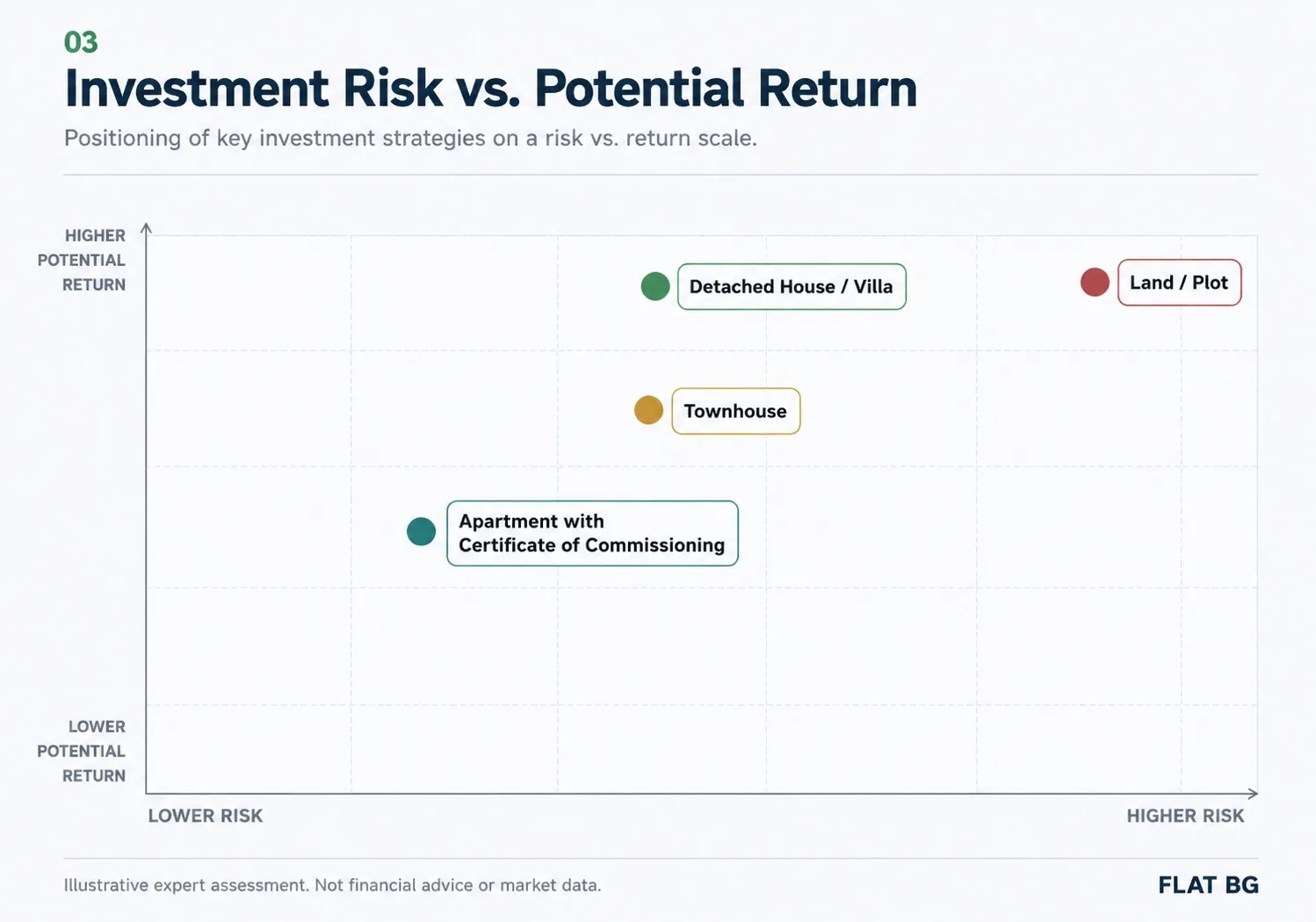
One of the most common misconceptions in real estate investing is the assumption that buying off-plan always delivers higher returns. In reality, this is not always the case. If construction takes two or three years, a completed property may already be producing rental income throughout that period.
In many situations, the accumulated rental revenue can offset part—or even all—of the initial price difference between the completed property and the off-plan purchase. This is why investors should compare not only acquisition costs but also the overall return on investment throughout the entire holding period, including the income that cannot be generated while an unfinished property is still under construction.
That does not automatically make one strategy superior to the other. The right choice depends on the investor’s objectives, available capital, risk tolerance and investment timeline. Successful investors therefore evaluate every opportunity individually rather than relying on universal rules.
Rental income opportunities
Once a property is completed and receives its Occupancy Permit, investors generally have two primary strategies for generating income.
The first is short-term vacation rentals through platforms such as Airbnb and Booking.com. Thanks to Kraimorie’s seaside location, attractive beach and steadily growing tourist appeal, this approach can achieve high occupancy during the summer season.
The second strategy is long-term residential leasing. More and more people working in Burgas are choosing Kraimorie as their permanent place of residence. Its peaceful atmosphere, proximity to the sea and convenient access to the city make it particularly attractive to families and professionals seeking a better quality of life.
As a result, demand for long-term rental properties remains relatively stable throughout the year rather than being limited to the summer season. Many investors have found the hybrid rental model especially effective. Under this approach, the property is rented to tourists during the peak summer months and leased to long-term tenants during the remainder of the year. This strategy significantly reduces seasonality while maximizing the property’s income potential.
Detached houses – the residential segment with the strongest growth potential
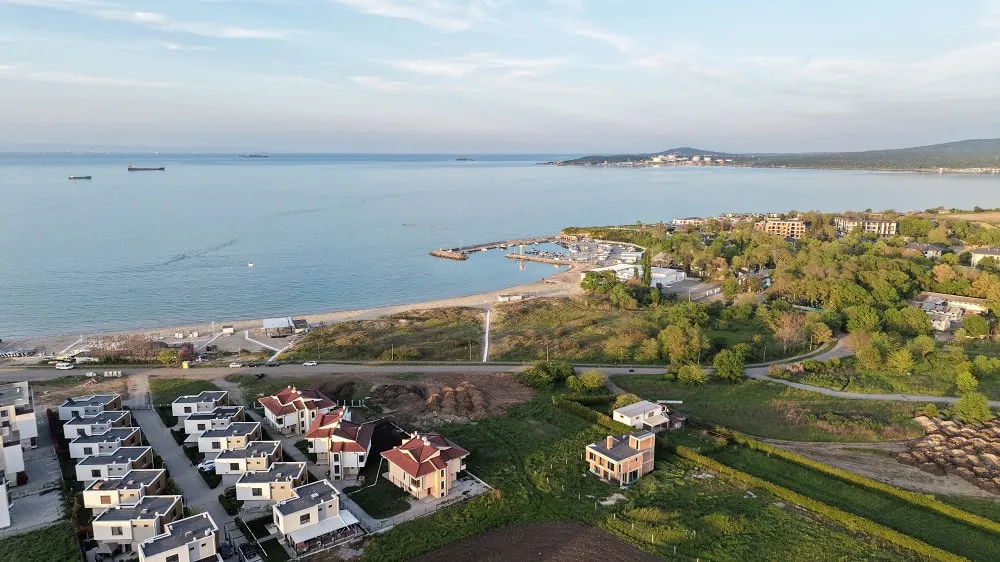
Buyer preferences have changed considerably in recent years. Increasingly, families are searching not simply for another apartment, but for a private home with a garden, more living space and a peaceful environment suitable for year-round living. This is precisely where Kraimorie enjoys one of its greatest competitive advantages.
The district’s predominantly low-rise development pattern and the availability of residential plots make it possible to build detached single-family homes, which are steadily becoming one of the most desirable products on the local property market. These homes typically appeal to higher-budget buyers seeking more than just a place to live—they are investing in a lifestyle.
Townhouses or detached homes – which offers better investment potential?
Today’s market increasingly offers both townhouse developments and detached single-family homes. Although both property types attract buyers, they occupy different positions within the market.
Townhouses allow developers to utilize land more efficiently while reducing construction costs. As a result, they are generally more affordable and appeal to a broader group of buyers, often resulting in faster sales.
Detached homes, however, occupy a different market segment. They provide greater privacy, larger private gardens, improved functionality and a stronger sense of independence. These characteristics make them particularly attractive to premium buyers who are willing to pay more for additional personal space. For this reason, detached homes often demonstrate stronger long-term value retention than more densely developed residential products.
Land investment – A long-term strategy with significant potential
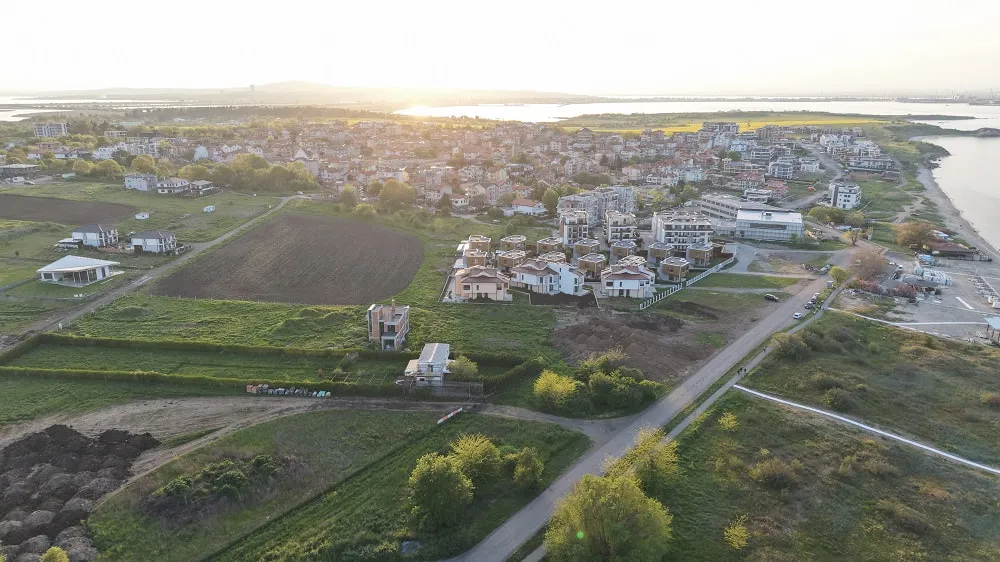
While residential properties are generally better suited to investors seeking faster returns or immediate rental income, investing in land is typically a strategy for those with a longer investment horizon. In Kraimorie, opportunities exist in both regulated building plots and selected agricultural land located close to existing urban boundaries or along the Burgas–Sozopol transport corridor. As residential development expands and infrastructure gradually improves, some of these properties may experience significant appreciation over time. Naturally, such investments require careful analysis of urban planning documents, rezoning potential and the future availability of essential infrastructure before any purchase decision is made.
Building rights agreements – an alternative strategy for landowners
Owners of regulated development plots have another investment option that does not necessarily require financing construction themselves. Where the site is suitable for development, a landowner may enter into a building rights agreement with a developer. Instead of selling the land outright, the owner grants development rights and, in return, receives an agreed percentage of the completed gross floor area—typically in the form of finished apartments, garages or commercial premises. This approach allows landowners to participate in the future appreciation of the project rather than accepting a one-time sale price.
However, such arrangements require careful selection of the developer, professionally drafted contracts and an accurate valuation of the future compensation package to ensure that the agreement remains financially beneficial for both parties.
Commercial properties – A market with growing potential
As a residential district develops, demand for everyday services inevitably follows. In the early stages of urban growth, investors tend to focus primarily on residential construction. However, as the permanent population increases, the need for commercial space grows alongside it. Kraimorie is now entering exactly this phase of its development.
The more families choose the district as their permanent home, the greater the demand becomes for supermarkets, pharmacies, medical clinics, childcare facilities, fitness centers, offices, cafés, restaurants and other neighborhood services.
For investors, this translates into an expanding commercial property market and growing opportunities to generate stable rental income from retail and service-oriented premises.
Ground-floor commercial units within newly built residential developments are particularly attractive. They combine relatively limited supply with steadily increasing local demand—a combination that often leads to reliable long-term tenancy and far less dependence on seasonal tourism than businesses located in traditional resort areas.
Tourism – far more than just a summer festination
Many coastal destinations rely almost entirely on a few summer months. Kraimorie, however, is gradually developing a different profile. In addition to its beach tourism, the district benefits from a rich combination of natural, cultural and historical attractions that draw visitors throughout much of the year.
Among the area’s most significant attractions are:
Poda Protected Area, one of Bulgaria’s most important birdwatching and nature conservation sites;
Chengene Skele Cultural and Tourist Complex, now one of the most visited attractions in the Burgas region;
ferry connections to St. Anastasia Island, which expand the area’s tourism offering beyond the traditional seaside holiday.
This diversity is steadily transforming Kraimorie into a destination with genuine year-round tourism potential, rather than one that depends exclusively on the summer season.
Family hotels and boutique guesthouses
The continued growth of tourism also creates opportunities for smaller accommodation projects. Unlike large hotel resorts, family-run hotels and boutique guesthouses can adapt much more easily to changing market demand while providing a more personalized guest experience. This style of accommodation is increasingly preferred by travelers seeking peaceful surroundings, proximity to nature and beaches that are less crowded than those found in major seaside resorts.
For investors, such projects offer the opportunity to combine traditional summer tourism with nature-based tourism, cultural travel and event-driven tourism throughout the rest of the year, helping to reduce seasonal fluctuations in occupancy.
SPA, wellness and health tourism – an emerging opportunity
When discussing tourism in the Burgas region, attention is usually focused on the coastline. However, the sea represents only part of the area’s long-term tourism potential. Kraimorie’s proximity to Burgas and the nearby Burgas Mineral Baths creates favorable conditions for the future development of SPA, wellness and health tourism. This follows a broader trend seen across many European coastal destinations, where traditional beach holidays are increasingly complemented by wellness, rehabilitation, medical and conference tourism.
Although such projects require considerably larger capital investments, they have the potential to extend the active tourism season while contributing to the sustainable development of the entire region.
Yacht and marine tourism
Kraimorie’s coastal location also creates opportunities for yacht tourism and marine recreation.
Further development of harbor infrastructure, small marinas and organized boat excursions could gradually increase the district’s appeal among higher-spending visitors.
Investments of this nature are consistent with the long-term planning objectives for coastal development and have the potential to generate additional economic activity for local businesses, restaurants, accommodation providers and tourism services.
Logistics – one of Kraimorie’s most underrated advantages
When discussing investment opportunities in Kraimorie, attention is almost always focused on residential development. Yet one of the district’s greatest long-term strengths may actually lie in its logistics potential.
Located directly on the Burgas–Sozopol coastal road, Kraimorie enjoys immediate access to the primary transport corridor serving Bulgaria’s Southern Black Sea coast. This allows businesses to efficiently supply both established tourist resorts and the rapidly growing residential communities along the coastline.
Why distribution and warehouse facilities could become an excellent investment
Today, most logistics facilities around Burgas are concentrated within the city’s Northern and Southern Industrial Zones or near the Trakia Motorway. This leaves relatively limited options for companies that provide daily deliveries to Sozopol, Chernomorets, Primorsko, Kiten, Lozenets, Tsarevo and the other resorts along the Southern Black Sea coast.
A warehouse or distribution center located near Kraimorie offers several practical advantages:
- shorter delivery routes;
- reduced exposure to heavy urban traffic during the summer season;
- lower transportation costs;
- faster service for hotels, restaurants and tourism-related businesses.
These advantages can be particularly valuable for companies involved in food distribution, beverages, construction materials, hotel and restaurant supplies, courier services and seasonal retail logistics.
Nearshoring – An opportunity that should not be overlooked
Over the past several years, an increasing number of European companies have begun relocating parts of their manufacturing and supply chains closer to their primary markets. This trend—commonly known as nearshoring—creates new opportunities for regions offering strong transport connections and well-developed industrial infrastructure.
Within this context, the Municipality of Burgas’ Master Development Plan (MDP) supports the continued development of industrial areas with convenient access to the Trakia Motorway, the Port of Burgas and Burgas International Airport.
Although Kraimorie itself is not designated as an industrial zone, its proximity to these major logistics corridors enhances its strategic importance and creates favorable conditions for the development of warehouse facilities, distribution centers and supporting commercial services.
Renewable energy and sustainable development
Renewable energy represents another sector with promising long-term growth potential. The Municipality of Burgas’ planning framework provides opportunities for solar parks and other renewable energy projects on suitable industrial land located inland.
While these developments are not directly connected to Kraimorie’s residential property market, they contribute to the broader economic development of the Burgas region by creating employment, strengthening infrastructure and increasing the area’s attractiveness to both domestic and international investors.
At the same time, it is important to distinguish Kraimorie’s residential investment profile from the wider industrial and logistics zones surrounding Burgas. The district’s primary competitive advantage remains its role as a high-quality coastal residential area, while the surrounding industrial developments enhance the region’s overall economic strength rather than changing Kraimorie’s character.
Kraimorie as Burgas’ seaside suburb
Kraimorie’s investment potential cannot be evaluated in isolation from the development of Burgas itself. The district forms an integral part of the city’s economic, residential and transportation network, and this close relationship is what distinguishes it from many of the seasonal seaside destinations found along Bulgaria’s Southern Black Sea coast.
Burgas serves as the region’s administrative, economic and transportation hub, concentrating employment opportunities, education, healthcare, cultural institutions and a wide range of public services. Kraimorie, meanwhile, offers a different lifestyle—low-rise residential neighborhoods, direct access to the sea, a quieter environment and significantly lower urban density.
Together, these characteristics are gradually shaping a model commonly seen around many major European coastal cities: the seaside suburb. Residents enjoy the peaceful atmosphere of a coastal neighborhood while continuing to work, study and use the city’s services on a daily basis.
For the residential property market, this distinction is particularly important. Kraimorie does not depend solely on buyers searching for holiday homes. Instead, it increasingly attracts families, professionals and retirees seeking permanent residences close to Burgas. This creates a much more stable foundation for housing demand and significantly reduces dependence on the summer tourism season.
At the same time, the district occupies a strategic position along the route toward Sozopol and the rest of Bulgaria’s Southern Black Sea coastline. This dual role—as both a suburb of Burgas and the gateway to the southern coast—creates opportunities not only for residential development but also for retail, tourism, logistics, commercial services and business activities that support the surrounding municipalities.
Urban planning should be monitored—not taken for granted
One of the most common mistakes investors make when purchasing land is assuming that current planning regulations will remain unchanged indefinitely. In reality, urban planning is an evolving process.
As of July 2026, the Municipality of Burgas is carrying out amendments to its Master Development Plan (MDP), including areas within Kraimorie. Updated planning documents, implementation rules, environmental assessments and protected-area impact reports have already been published as part of this process.
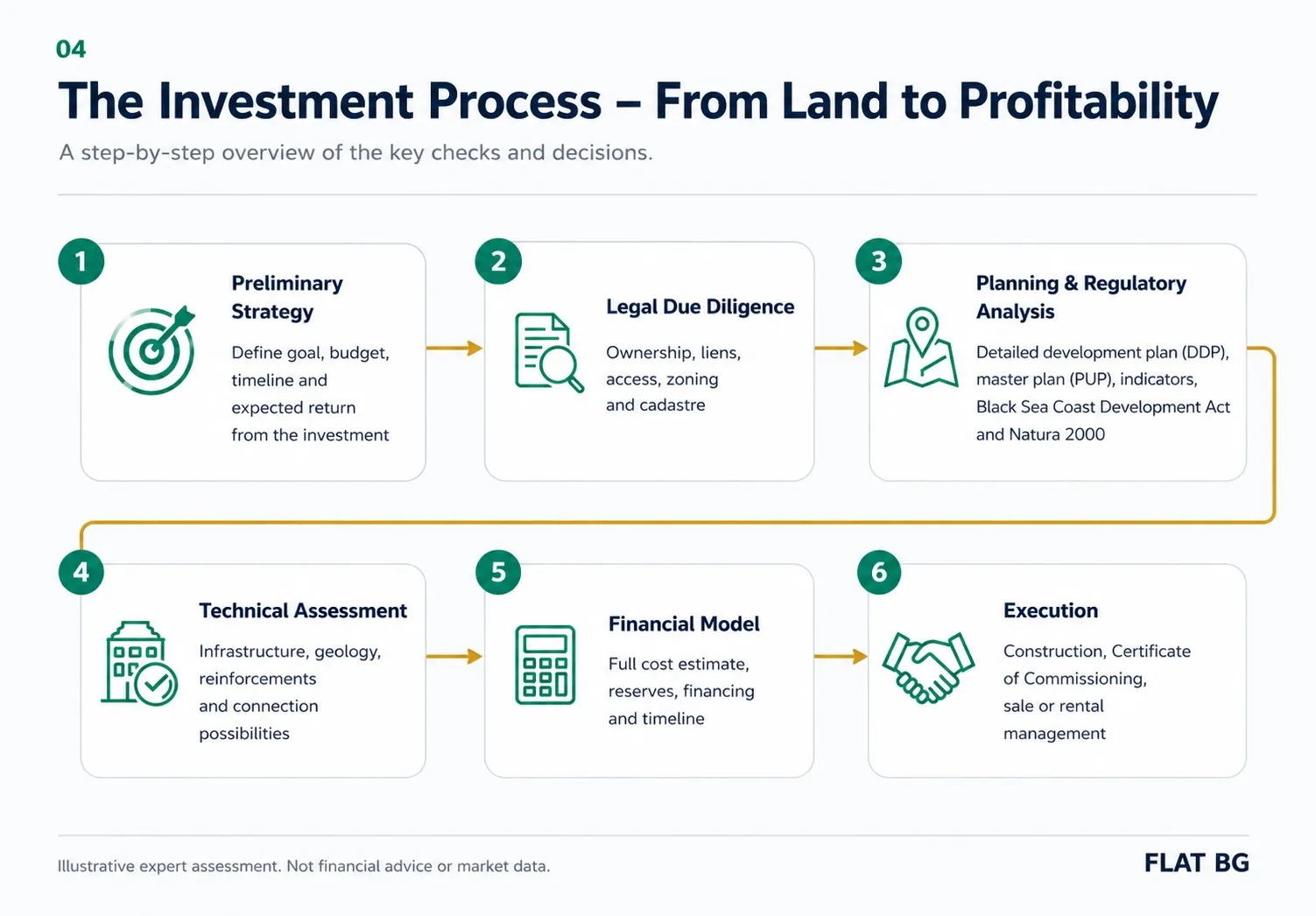
For investors, this means that evaluating a property based solely on the currently applicable planning framework is no longer sufficient. A comprehensive investment analysis should also consider proposed amendments and the current stage of the planning procedure. Equally important is understanding the distinction between the Master Development Plan (MDP) and the Detailed Development Plan (DDP). While the MDP establishes the municipality’s long-term planning vision, it does not by itself authorize construction.
Before any project can move forward, investors should verify whether the specific property has an approved Detailed Development Plan, what building parameters apply, whether legal road access exists and whether utility connections can realistically be secured.
Different parts of Kraimorie continue to undergo planning procedures and amendments. Consequently, two neighboring plots may have entirely different levels of development readiness. Simply describing a property as “land in Kraimorie” provides very little meaningful information.
Before purchasing, investors should establish:
- whether the plot is fully regulated;
- whether a Detailed Development Plan (DDP) is already approved;
- the property’s designated land use;
- permitted building height, density and floor area ratio;
- whether legal road access exists;
- whether public street regulation has been completed;
- the proximity of electricity, water supply and sewerage infrastructure;
- and whether easements, environmental restrictions or coastal protection regulations apply.
The difference between a construction-ready development site and land with only speculative future potential often determines whether an investment can be realized within a reasonable timeframe—or whether capital remains tied up for years.
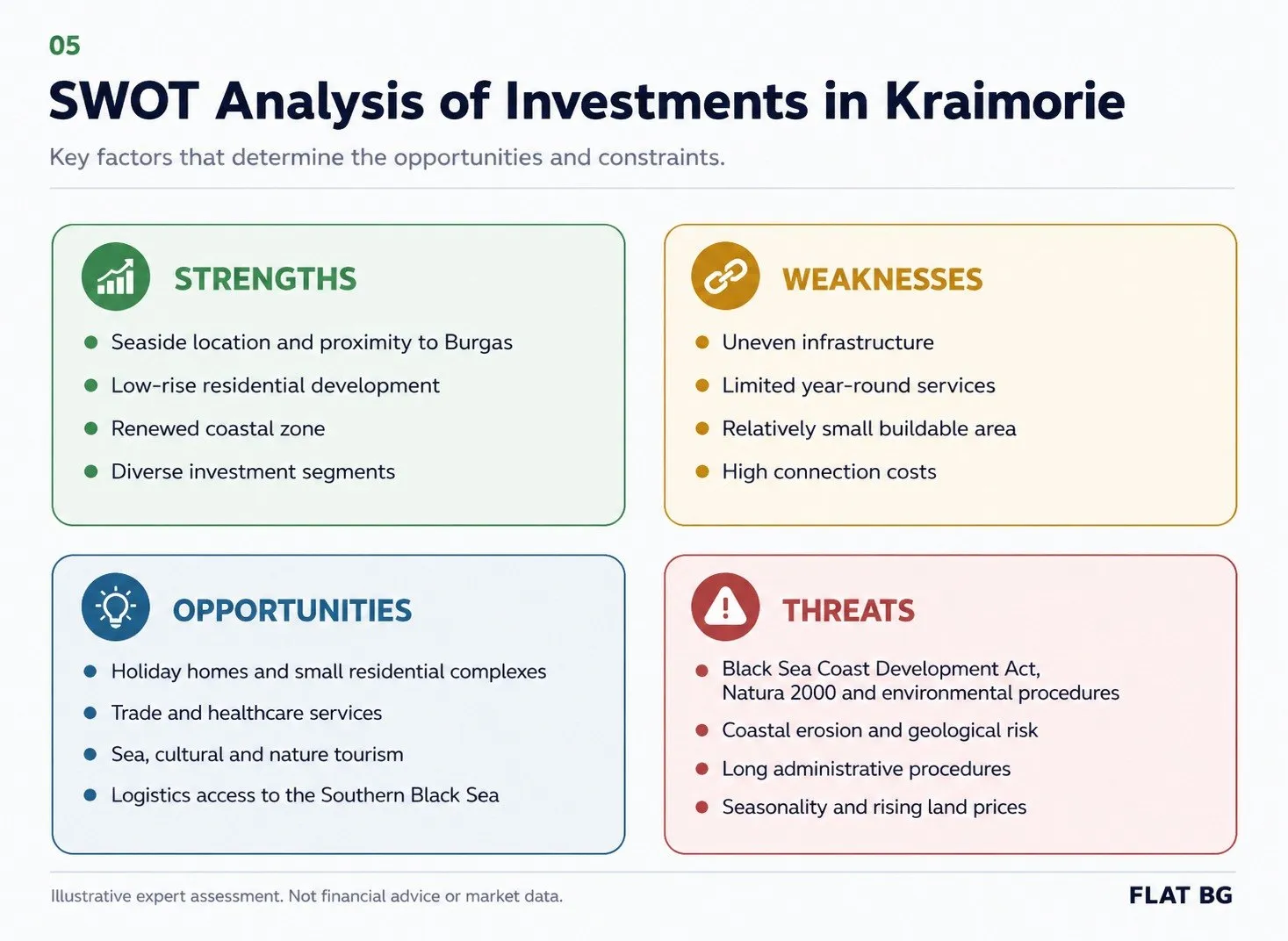
Kraimorie’s key strengths
Kraimorie’s greatest advantage is the combination of a prime coastal location and immediate proximity to a major city. This unique positioning enables the district to simultaneously serve residential, tourism and commercial functions.
Its second major strength lies in its urban planning philosophy. The predominance of low-rise development limits the possibility of large-scale overbuilding similar to that seen in some overcrowded coastal resorts. From a developer’s perspective, this may reduce the total buildable floor area available on a given plot. From a homeowner’s or long-term investor’s perspective, however, lower density, preserved open spaces and a higher-quality living environment often translate into stronger long-term property values.
Another significant advantage is the revitalized waterfront.
The renovated beach, upgraded fishing harbor and improved public spaces have enhanced Kraimorie’s visibility and created favorable conditions for tourism, marine activities and year-round residential living. The district also benefits from an unusually diverse investment profile.
Within Kraimorie and its surrounding areas, investors can consider opportunities in:
- apartments and residential developments;
- detached and townhouse projects;
- regulated building plots;
- agricultural land with long-term appreciation potential;
- retail and service-oriented commercial premises;
- boutique hotels and guesthouses;
- tourism and marine-related businesses;
- warehouse, logistics and distribution facilities along key transport corridors.
This diversity allows Kraimorie to attract different types of investment capital instead of depending on a single market segment.
Challenges that should not be overlooked
Despite its strong potential, Kraimorie also presents several challenges that investors should evaluate carefully. The most significant is the uneven development of internal infrastructure. While the main access road to the district is well developed, some newly urbanizing areas still require additional roads, water supply, sewerage systems, electricity infrastructure and other engineering networks. This directly affects project economics. A seemingly inexpensive plot can ultimately become considerably more expensive if the investor must finance utility extensions, temporary access roads, retaining structures, electrical substations or other infrastructure improvements.
Another challenge is the relatively limited range of local services. Compared with central Burgas, Kraimorie still lacks larger supermarkets, expanded healthcare facilities, extended-hour pharmacies and a broader variety of year-round retail options.
From an investment perspective, however, this weakness also represents an opportunity. As the permanent population grows, demand for well-positioned retail and service businesses is likely to increase.
Low-rise development also has two sides. It preserves the district’s character and quality of life but limits the number of saleable square meters within each project. Consequently, land acquisition costs must be calculated with particular care. If land is purchased at an excessive price, the lower permitted building density may significantly reduce—or even eliminate—the project’s profitability.
Opportunities for future growth
One of Kraimorie’s greatest opportunities lies in the continued expansion of its residential housing stock through high-quality, low-rise developments.
The projects with the strongest long-term prospects are unlikely to be those that simply maximize the number of units on a plot. Instead, the market is increasingly rewarding developments that deliver genuine added value—functional layouts, private parking, landscaped surroundings, energy-efficient buildings and a thoughtfully designed living environment.
Detached homes and small residential communities are particularly well positioned. In these projects, buyers are not paying solely for built-up area. They are investing in a combination of a coastal location, private outdoor space, greater privacy and quick access to Burgas.
As the residential population continues to grow, demand for supporting services is expected to increase as well. Medical and dental clinics, pharmacies, childcare facilities, fitness centers, restaurants, specialty retail stores and professional services all stand to benefit from a steadily expanding year-round customer base.
Tourism also has considerable room for further diversification. Rather than relying exclusively on the traditional “beach holiday” model, Kraimorie has the opportunity to build a broader tourism offering based on its natural and cultural assets.
The combination of the Black Sea coastline, Poda protected area, Chengene Skele, St. Anastasia Island, local cultural events and marine experiences provides the foundation for a more diverse visitor economy. Yacht tourism and marine recreation can become an important part of this development through investments in marina services, recreational boating, fishing tourism and organized sea excursions. Naturally, every project of this type must comply with applicable planning regulations, Bulgaria’s Black Sea Coast Development Act and the relevant environmental procedures.
The wider Burgas region also presents opportunities in logistics, light manufacturing, clean industries, distribution centers and nearshoring. Kraimorie itself should not be viewed as an industrial district. Its strategic value comes from its location along the transport corridor serving Bulgaria’s Southern Black Sea coast, making it an attractive base for businesses that support nearby coastal municipalities.
Renewable energy and circular economy initiatives may also strengthen the regional economy. Suitable industrial sites inland can accommodate solar parks and other renewable energy facilities without placing additional pressure on environmentally sensitive coastal areas. It is important, however, to distinguish Kraimorie’s residential investment profile from the broader industrial and logistics zones surrounding Burgas.
Strict regulations under the Black Sea coast development act
Investing in coastal property is subject to significantly stricter regulations than investing inland. Bulgaria’s Black Sea Coast Development Act establishes two protected planning zones—Zone A and Zone B—where specific requirements apply regarding land use, building density, landscaping and permitted activities.
Zone A covers the most environmentally sensitive areas closest to the shoreline. Zone B extends inland from Zone A and is likewise subject to special planning regulations. For investors, proximity to the sea is therefore more than just a commercial advantage. It may also involve:
- lower permitted development density;
- stricter landscaping requirements;
- limitations on certain types of construction;
- and more complex approval procedures.
As a result, the size of a land parcel should never be interpreted as its actual development potential. The applicable planning zone, existing development plans, required setbacks, easements, terrain characteristics and environmental restrictions all play a decisive role in determining what can ultimately be built.
Projects that fail to account for these requirements before land acquisition and financial planning may later require significant redesign, experience lengthy delays—or, in some cases, become impossible to implement.
Natura 2000 and protected areas
One of Kraimorie’s greatest strengths is its proximity to valuable natural habitats. At the same time, this also creates additional responsibilities for investors.
Projects that may affect protected areas can require environmental assessments, appropriate assessments under Natura 2000 legislation or other procedures prescribed by environmental regulations. The fact that the proposed amendments to the Municipality of Burgas’ Master Development Plan are accompanied by environmental studies and protected-area impact assessments demonstrates how central these considerations have become in regional planning—including within Kraimorie.
Importantly, the presence of a Natura 2000 site or another protected area nearby does not automatically prohibit construction. Instead, each project is evaluated individually according to its location, scale, purpose and potential environmental impact.
For investors, this may result in:
- additional technical studies;
- modifications to project design;
- restrictions on development intensity;
- habitat and species protection measures;
- longer administrative procedures;
- additional consulting and environmental assessment costs.
For this reason, environmental restrictions should always be investigated before purchasing land, not afterward.
Climate change, coastal erosion and geological risk
Coastal real estate is exposed to risks that are generally less significant for inland developments. These include shoreline erosion, intense rainfall, coastal storms, elevated humidity, corrosion caused by salt air and potential geological stability issues.
None of these factors necessarily make coastal property a poor investment. They simply mean that a standard technical inspection may not be sufficient.
For sites located near the shoreline or on sloping terrain, investors should carefully evaluate:
- geological conditions and soil bearing capacity;
- the presence of erosion or landslide risks;
- stormwater drainage;
- the need for retaining structures;
- the long-term impact of salt air on buildings, façades and building systems;
- ongoing maintenance costs.
A spectacular sea view can certainly increase property value. However, difficult terrain, expensive ground stabilization and higher construction costs may significantly reduce actual project profitability. Visual appeal should therefore never replace proper geological and engineering due diligence.
Administrative procedures as an investment risk
Administrative procedures should be considered an integral part of every real estate investment strategy—not merely a bureaucratic formality.
Processes such as preparing or amending a Detailed Development Plan (DDP), changing the designation of agricultural land, obtaining approvals for investment projects, completing environmental assessments, carrying out Natura 2000 compatibility evaluations and securing a building permit are often lengthy and closely interconnected.
For this reason, investors should never assume that the officially published timeframe for a single administrative procedure reflects the total duration of the entire development process.
A single approval may involve:
- notifying affected property owners;
- statutory periods for objections;
- reviews by expert planning councils;
- coordination with multiple government institutions;
- revisions required by public authorities;
- and, in some cases, judicial appeals.
The planning procedures currently underway in Kraimorie clearly illustrate this staged process—from preparing planning documentation and notifying interested parties, through public consultation periods and final approval, to the possibility of court appeals.
In practice, complex development procedures may take anywhere from several months to well over a year. Where environmental assessments, infrastructure deficiencies, project revisions or legal appeals are involved, the timeline can become significantly longer. For this reason, every financial model should include not only construction costs but also:
- design and planning expenses;
- legal and technical consultancy fees;
- financing costs during the waiting period;
- contingency reserves;
- potential increases in construction costs;
- and lost revenue resulting from project delays.
The cheapest piece of land is not always the best investment. A more expensive site with a clear legal status, existing infrastructure and full development readiness can often deliver substantially stronger returns than inexpensive land burdened by uncertainty and lengthy administrative procedures.
Rising land prices – A growing challenge for developers
Growing investor interest in Kraimorie has naturally increased both land values and owners’ expectations. For landowners, this represents positive market development. For developers, however, it can become one of the greatest threats to project profitability.
Low-rise residential projects distribute land acquisition costs across a relatively limited amount of saleable floor area. If a development site is purchased at a price that already reflects overly optimistic future expectations, much of the potential appreciation may already be incorporated into the asking price. In such cases, developers assume most of the investment risk while capturing only a small portion of the future upside.
Land should therefore be valued according to:
- realistically permitted gross floor area;
- infrastructure costs;
- compensation obligations;
- total construction costs;
- project duration;
- and achievable selling prices.
The asking price of a neighboring property should never be treated as a reliable basis for an investment decision.
Seasonality remains a real business risk
Although Kraimorie is steadily evolving into a year-round residential community, parts of its tourism and commercial sectors remain dependent on the summer season. Restaurants, beach services, short-term accommodation providers and smaller tourism businesses may generate excellent revenues during the warmer months while experiencing considerably lower occupancy throughout winter. This creates financial risk for businesses with high fixed operating costs, large staffing requirements or substantial debt obligations.
Long-term sustainability therefore depends on serving not only tourists but also the permanent populations of Kraimorie and Burgas. The broader the customer base, the less vulnerable a business becomes to seasonal fluctuations, weather conditions and short-term changes in tourism demand.
Competition from other coastal areas
Kraimorie does not develop in isolation. Within the residential property market, it competes with districts and nearby settlements such as Sarafovo, Marinka, Chernomorets, Sozopol and other locations surrounding Burgas. Each offers a different balance of pricing, infrastructure, coastal access, development density and tourism appeal.
Competition is even broader in logistics and light industry. Industrial parks elsewhere in Bulgaria—as well as locations in Romania and Turkey—may offer lower operating costs, larger development sites, stronger investment incentives or faster administrative procedures.
For this reason, Kraimorie should not be presented as the perfect location for every type of investment.
Its competitive advantage lies in a specific combination of characteristics:
- a seaside suburban environment;
- controlled low-rise development;
- immediate access to Burgas;
- and a strategic position along Bulgaria’s Southern Black Sea transport corridor.
These qualities define Kraimorie’s unique investment profile.
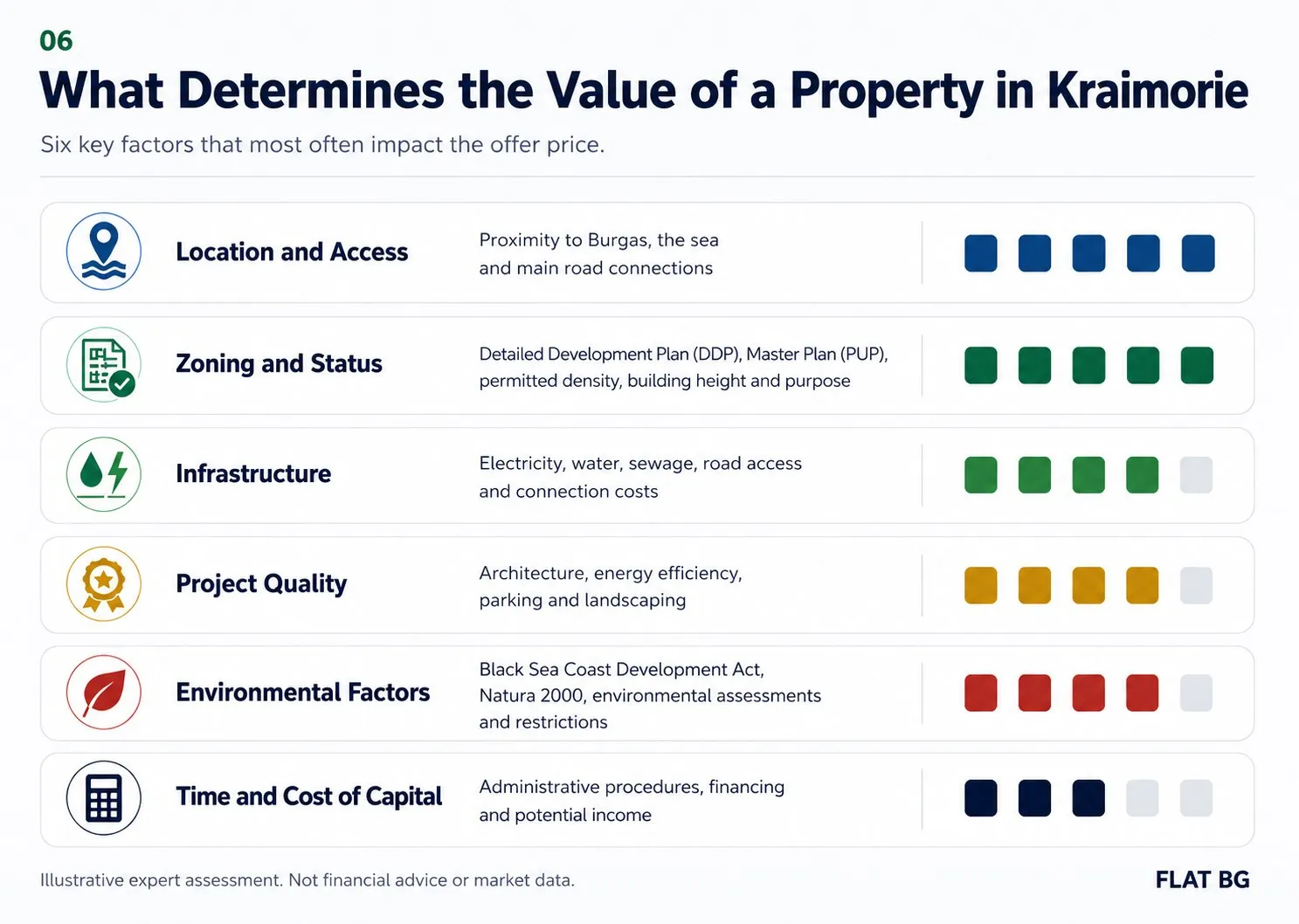
Investment due diligence – What should be verified before buying?
Before purchasing land or property in Kraimorie, investors should carry out comprehensive legal, technical, planning and financial due diligence.
The most important areas to examine include:
Ownership and legal status
Verify ownership documents, mortgages, liens, easements, registered legal claims, lease agreements and any ongoing court proceedings.
Cadastral records and property boundaries
Compare ownership documents with the official cadastral map and confirm that the physical boundaries correspond to the legal records.
Planning status
Determine the property’s designated land use, planning zone, approved Detailed Development Plan (DDP) and all applicable development parameters.
Legal access
Confirm that the property has lawful road access rather than relying on informal routes crossing neighboring land.
Utility infrastructure
Obtain preliminary statements from utility providers regarding electricity, water supply, sewerage and other essential infrastructure connections.
Coastal and environmental regulations
Verify whether the property falls within Zone A, Zone B, Natura 2000 or any other protected area subject to special planning or environmental requirements.
Geological conditions
Assess soil bearing capacity, groundwater conditions, terrain slope, erosion risks and any need for ground stabilization.
Project economics
Calculate the complete investment cost—not only land acquisition and construction, but also design, infrastructure, financing, marketing, taxes, agency commissions, contingency reserves and the cost of capital.
Exit strategy
Even before acquiring the property, investors should clearly define their intended exit strategy.
- Will the project be sold as a completed development?
- Will individual units be sold separately?
- Will the property generate long-term rental income?
- Will it operate as a tourism business?
- Or is the objective simply to hold the land for future appreciation?
Answering these questions before purchase significantly improves investment decision-making and reduces unnecessary risk.
Future outlook for Kraimorie
Over the medium and long term, Kraimorie is well positioned to continue its transformation from a peripheral coastal district into a fully integrated seaside suburb of Burgas.
Several long-term trends are likely to drive this evolution simultaneously:
- a steadily growing permanent population;
- continued development of high-quality low-rise residential projects;
- increasing demand for detached homes and properties with private gardens;
- gradual expansion of retail, commercial services and local amenities;
- ongoing improvements to internal infrastructure;
- further growth of marine, cultural and nature-based tourism;
- and continued utilization of the district’s strategic location along Bulgaria’s Southern Black Sea corridor.
Not every property, however, is likely to appreciate at the same rate. The strongest long-term investment prospects will probably belong to properties with clear legal status, excellent accessibility, completed infrastructure, high construction quality and surroundings that cannot easily be replicated elsewhere.
For land investors, the greatest opportunities are expected to lie in sites that combine realistic development potential with sensible acquisition costs. Land purchased solely on the assumption that it may one day be rezoned should be viewed as a speculative investment rather than a secure development asset.
Within the residential sector, quality will increasingly become the deciding factor. As new supply enters the market, buyers are expected to place greater emphasis on architectural design, functional layouts, energy efficiency, parking availability, landscaping, sea views and the overall living environment. Developments that deliver genuine long-term value rather than simply maximizing building density are likely to outperform the broader market.
Conclusion
Kraimorie offers one of the most compelling combinations of investment characteristics in the Burgas region. Its coastal location, immediate proximity to Bulgaria’s fourth-largest city, low-rise urban character, growing tourism sector and strategic position along the Southern Black Sea coastline create a diversified investment environment that is difficult to replicate elsewhere.
Perhaps its greatest strength is that it is not dependent on a single source of demand. The district has the potential to attract:
- permanent residents seeking a higher quality of life;
- buyers of holiday homes;
- domestic and international tourists;
- residential developers;
- commercial investors;
- and businesses serving the Southern Black Sea region.
At the same time, none of these advantages automatically guarantees a successful investment. The difference between an outstanding project and a problematic one is rarely determined by the sea view alone.
More often, success depends on the details:
- planning status;
- legal access;
- available infrastructure;
- environmental regulations;
- geological conditions;
- realistic development density;
- administrative timelines;
- and accurate financial modelling.
For investors willing to combine long-term vision with thorough due diligence, Kraimorie presents genuine opportunities for sustainable growth. Its future will likely be shaped not by speculative short-term gains, but by carefully planned development, responsible urban planning and the continuing evolution of Burgas as one of Bulgaria’s most important regional economic centers.
Ultimately, the greatest returns are likely to be achieved by those who evaluate each opportunity comprehensively—balancing location, planning regulations, infrastructure, market demand and long-term economic fundamentals before making an investment decision. That disciplined approach is what transforms Kraimorie’s potential from an attractive promise into a sound and well-founded investment opportunity.