



Once connected to the Black Sea, Mandra Lake holds stories of ancient harbours, lost natural habitats and remarkable changes in the coastal landscape. Located south of Burgas, it is much more than a large freshwater reservoir. Its shores tell the story of Roman fortifications, migrating birds and the centuries-old relationship between people and water. How has the lake changed over time, and why does it remain so important to the region?
From a coastal lagoon to a freshwater reservoir – how Mandra changed
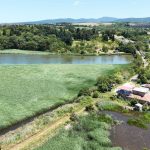
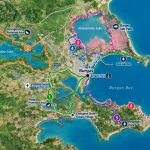
Mandra is the southernmost and largest of the Burgas Lakes. It lies in a broad river valley and receives water from four rivers: Sredetska, Fakiyska, Izvorska and Rusokastrenska. Today, its water surface covers approximately 1,300 hectares. However, the natural landscape has not always looked this way.
In the past, the lake was a brackish coastal lagoon with a natural connection to the Black Sea. Seawater flowed inland, while freshwater rivers maintained a delicate natural balance. These conditions created diverse habitats for fish, birds and aquatic plants.
How the dam changed the natural balance
In 1963, a dam was built, cutting off the natural exchange of water between the main part of the lake and the sea. As a result, Mandra gradually became a freshwater reservoir.
The transformation had significant ecological consequences. Some shallow waters and reed beds disappeared, while living conditions changed for many species. However, wetlands east of the dam preserved part of the original lagoon’s natural character.
The history of Mandra and the ancient settlements near Burgas
Long before the modern city appeared, the lake played an important role in the lives of local communities. Its connection to the sea provided a natural waterway into the region’s interior. This made the area a strategic location for trade, transport and defence.
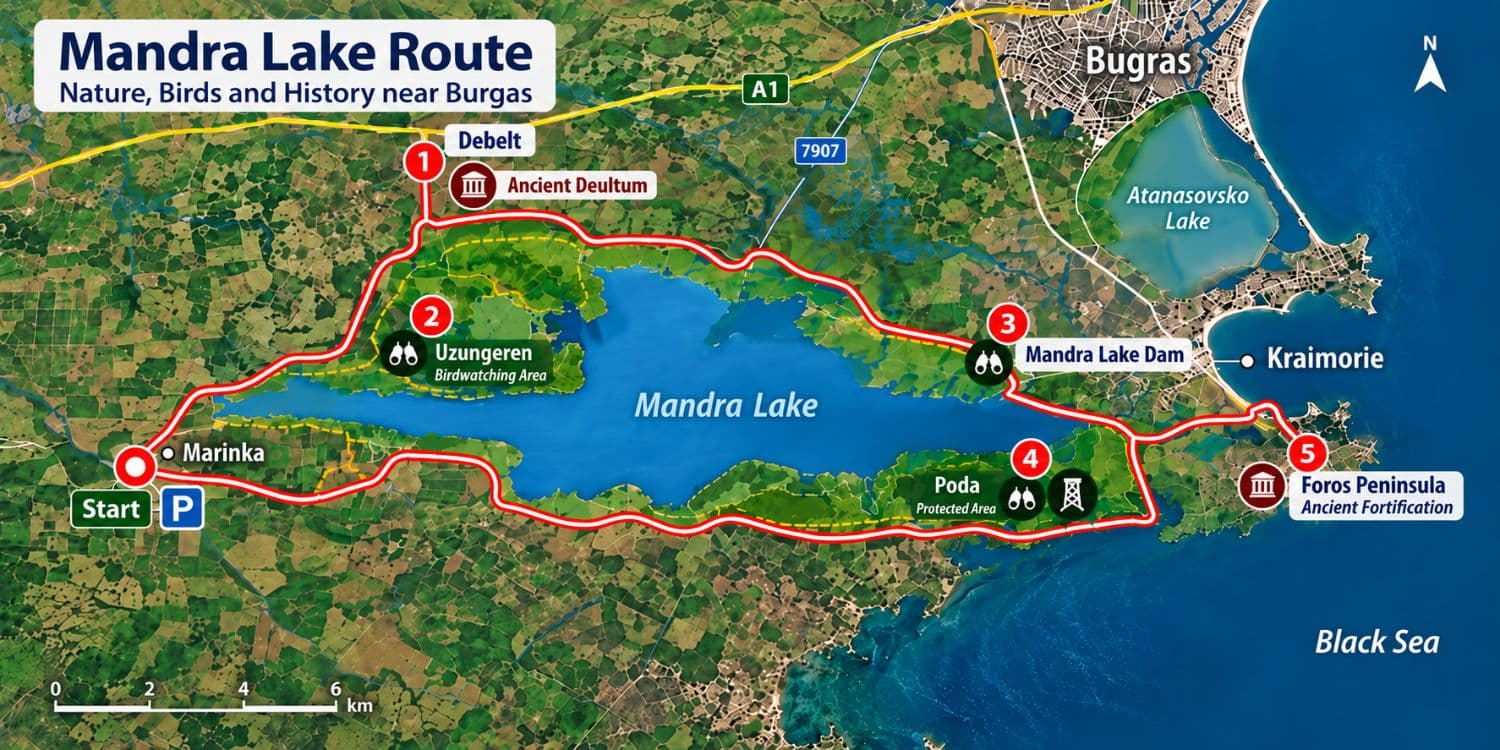
The ancient city of Deultum developed near the lake, while the Poros fortress stood close to its outlet. Controlling this water passage was essential for protecting the harbours and the movement of vessels.
From ancient Deultum to Foros Fortress
The Foros Peninsula preserves traces of centuries of history. Fortifications in the area protected the important passage between the lake and the sea. In 1304, the Battle of Skafida took place nearby, between the forces of Bulgarian Tsar Theodore Svetoslav and the Byzantine Empire.
Today, these events reveal why the lake was so important to the development of Bulgaria’s southern Black Sea coast. Discover more about the ancient fortifications and archaeological finds in our article on the history of Foros Fortress.
Wildlife at Mandra Lake – birds, fish and wetlands
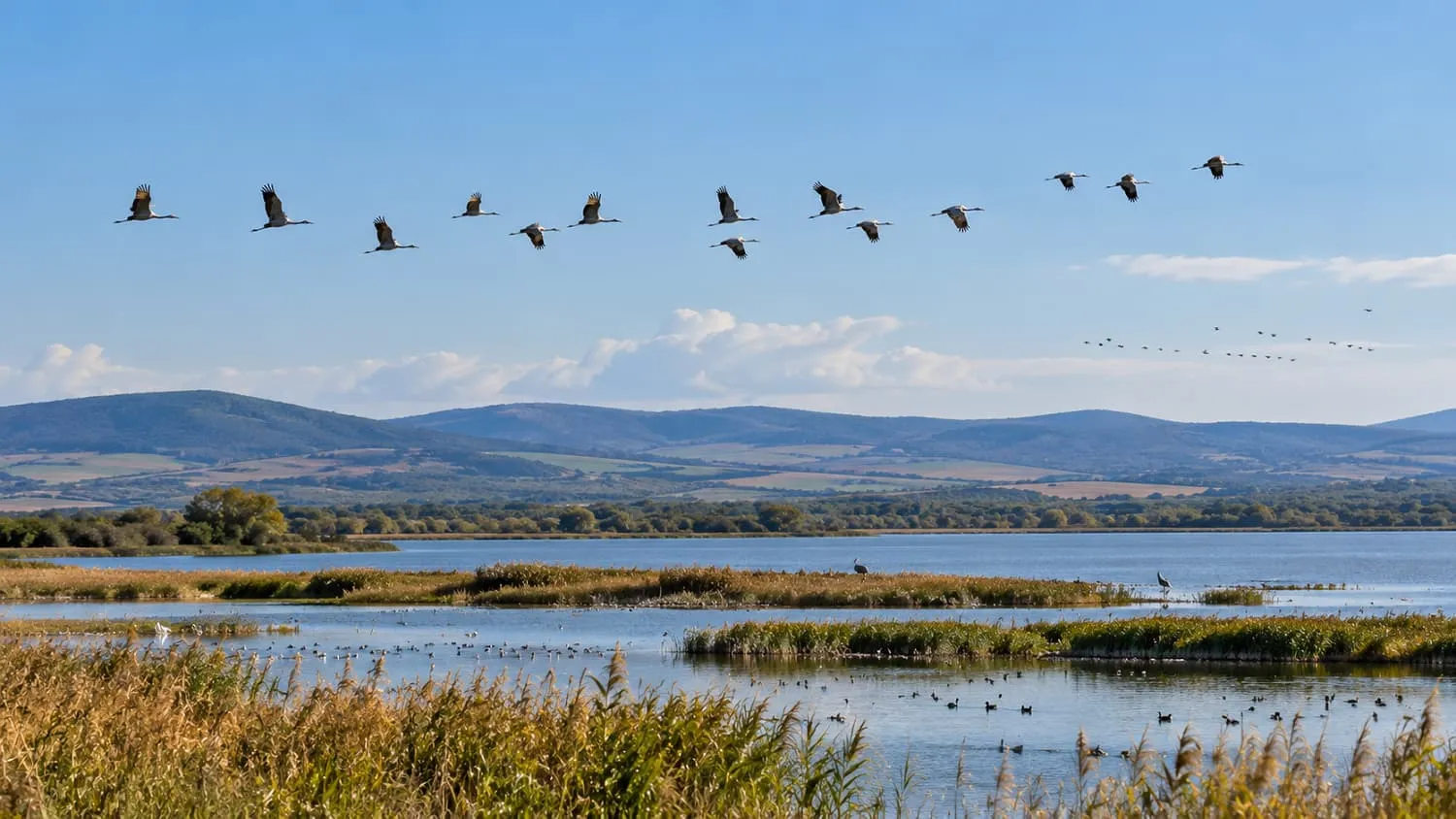
Despite the major changes of the 20th century, Mandra remains an important part of the Burgas Lakes ecosystem. Its open waters, shoreline vegetation and river mouths provide habitats for a wide variety of wildlife.
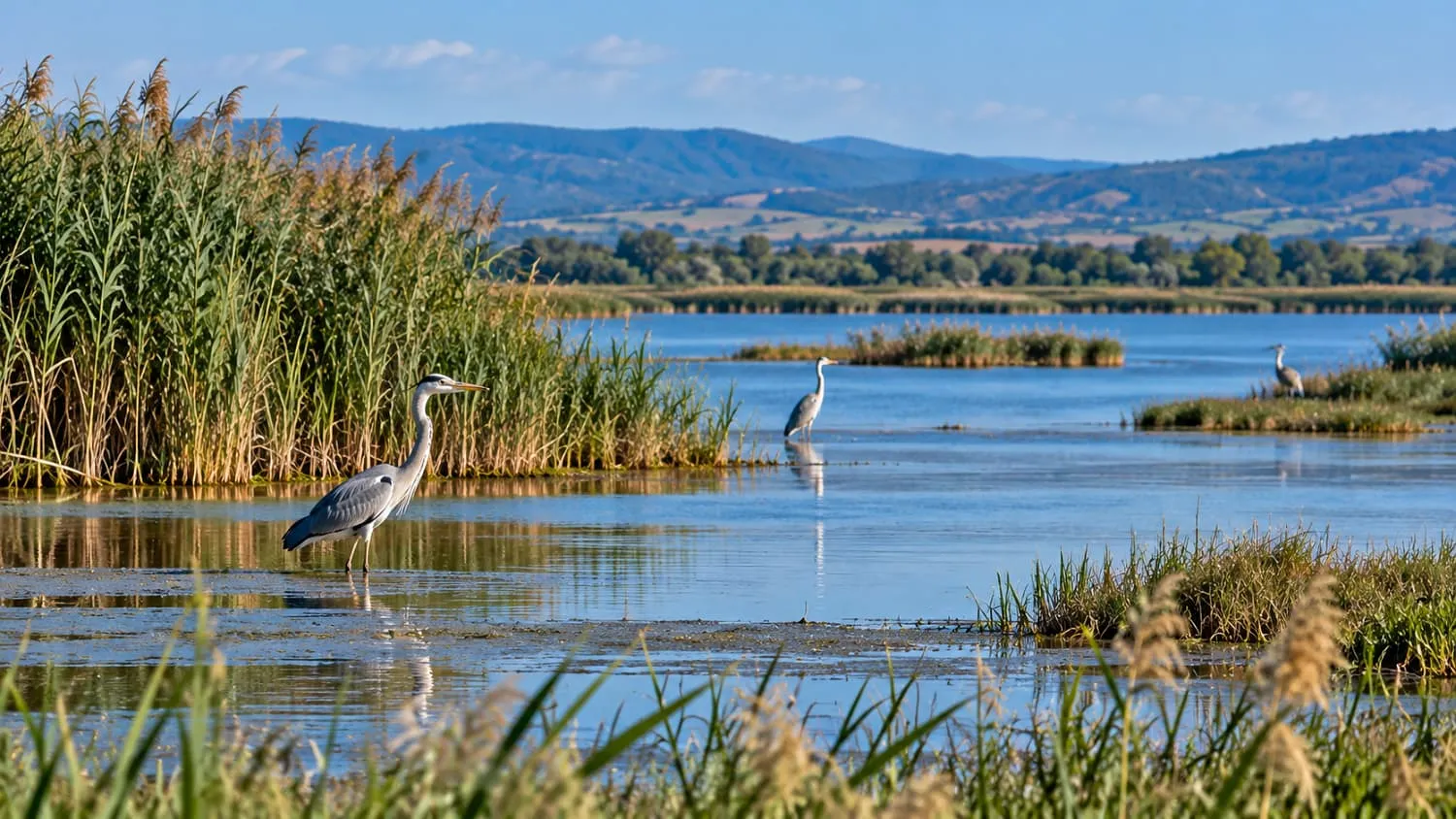
The area is home to cormorants, herons, pelicans, wild ducks and other waterbirds. Freshwater habitats support fish such as carp, catfish, bream and crucian carp. However, wildlife is not evenly distributed across the lake. Shallow waters and preserved wetlands are particularly valuable.
Why Mandra is important for migratory birds
The lake complex lies along Via Pontica, one of the most important bird migration routes between Europe and Africa. During spring and autumn, the area provides resting and feeding grounds for many migratory species.
This natural corridor makes the surroundings of Burgas an attractive destination for birdwatchers, photographers and wildlife enthusiasts. If you want to discover the birds up close, explore our guide to birdwatching at Poda Protected Area.
Poda and Uzungeren – the protected wetlands of Mandra
The most valuable natural areas around the lake include Poda, Uzungeren and the Izvorska River Mouth protected areas. They preserve different types of wetland habitats and provide shelter for rare and protected species.
Poda is particularly fascinating because freshwater, saltwater and brackish habitats meet within a relatively small area. This diversity creates excellent conditions for a remarkable variety of birds. The area forms part of the wider Mandra–Poda complex, included in the European Natura 2000 ecological network.
Visitors can learn more about the local ecosystems at the Poda Nature Conservation Centre. For another side of nature near Burgas, discover Atanasovsko Lake, famous for its salt pans and pink waters.
The role of Mandra Lake in the development of the Burgas region
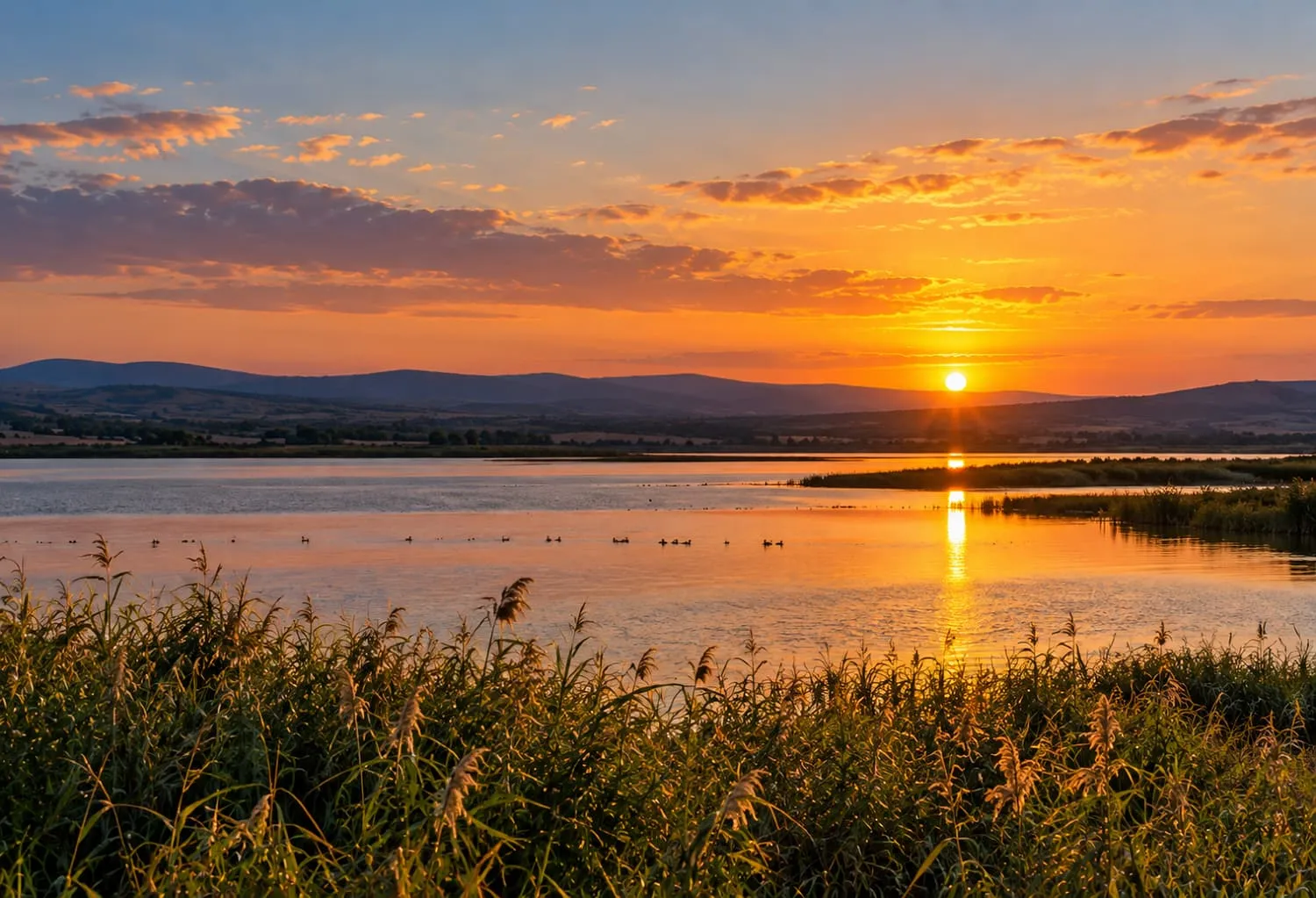
The lake’s influence extends far beyond its natural boundaries. Over the centuries, it shaped the development of waterways, fishing and settlements around Burgas Bay. Today, the reservoir plays a role in water resource management and local economic activities.
For nearby Kraimorie, the proximity of Mandra is part of the area’s wider historical and natural heritage. The coastline, ancient Foros and neighbouring wetlands form a landscape where nature and human history are closely connected.
Preserving this heritage requires constant attention. Water quality, human activity and habitat conservation remain important challenges. The lake’s future depends on finding a balance between economic needs and environmental protection.
Things to see around Mandra Lake throughout the year
Mandra is not a typical tourist attraction with busy promenades and restaurants. Its appeal lies in its wide-open waters, peaceful landscapes and opportunities to observe nature away from the summer crowds.
Spring brings active bird migration and the breeding season for many species. Summer offers lush green landscapes, while autumn is especially rewarding for watching migrating birds. In winter, the open waters attract wintering waterbirds.
For a more organised nature experience, Poda Protected Area is an excellent choice, with designated birdwatching facilities. Visits to other parts of the lake should respect access restrictions and conservation rules.
If you enjoy peaceful walks outside the busy tourist season, explore our ideas for visiting Kraimorie in winter.
Mandra reminds us how dramatically natural landscapes can change. From an ancient coastal lagoon to a modern reservoir, the lake continues to connect the region’s history with its natural future. Perhaps that is what makes it so fascinating. Beneath its seemingly peaceful waters lies a story that is still unfolding.