




Most people who visit the Bulgarian Black Sea coast make the same mistake. They book their flights for July. They pack sunscreen and swimsuits, brave the crowded beaches, pay peak-season prices, and leave wondering if the quiet fishing village they’d read about actually exists. Then they never come back.
Here’s what most travel guides don’t tell you. The village reveals a completely different personality once summer ends. The crowds disappear. The sea turns moody shades of grey and blue. The air becomes sharper, cleaner, and easier to breathe. Thousands of birds arrive along one of Europe’s most important migration routes. The version cherished by locals, photographers, and birdwatchers only truly reveals itself in winter.
And that changes everything.
Winter in Kraimorie: When the beaches fall silent
Located just 10 kilometres south of Burgas, this small coastal district technically belongs to the city but feels like an entirely different world. Summer visitors know it as an affordable seaside destination—a place to spread a towel, enjoy fresh fish by the sea, and spend long days on the beach.
Winter reveals an entirely different destination.
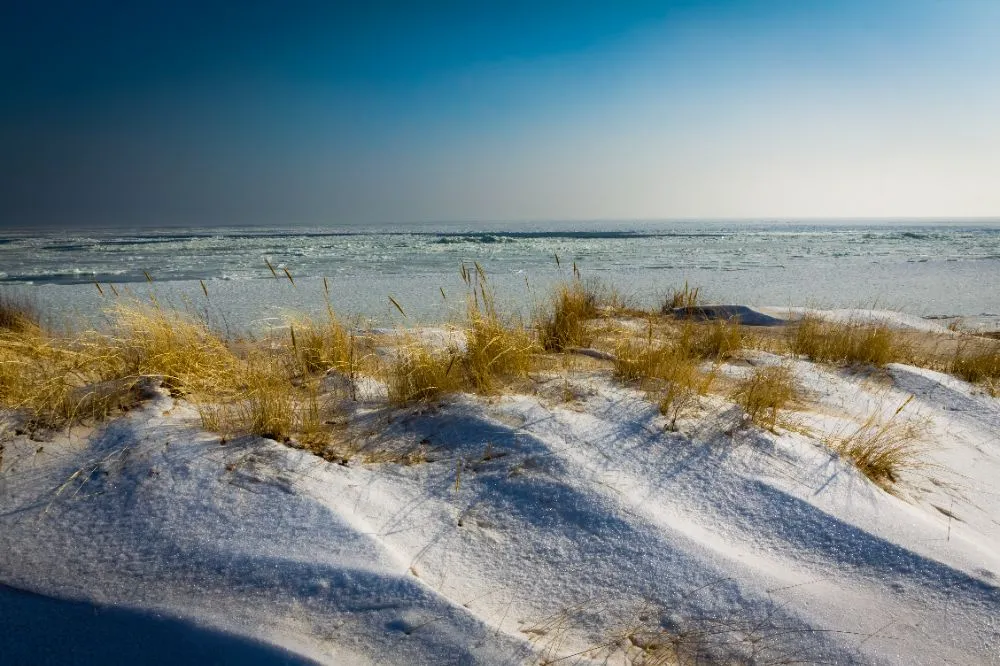
From December through February, daytime temperatures typically range between 3 and 8°C, while nights hover around freezing. Snow is uncommon and rarely lingers for long. The Black Sea moderates the climate, making the coast noticeably milder than inland Bulgaria, where winter temperatures often plunge well below zero.
What this means is wonderfully simple: you can walk. You can breathe. You can spend hours outdoors without dressing for Arctic conditions. Best of all, you’ll have much of the coastline almost entirely to yourself.
Empty beaches stretch in both directions. Summer restaurants have closed their doors, umbrellas have been packed away, and water sports equipment waits patiently for spring. Many seasonal businesses take a well-earned break. The fishermen, however, continue their daily routines—pulling boats onto the sand, repairing nets, and preserving traditions that long predate modern tourism.
This is where the coast’s winter magic begins. Not because of what’s there, but because of what’s gone. The crowds. The noise. The pressure to do anything except slow down and enjoy the moment.
Europe’s hidden birdwatching paradise
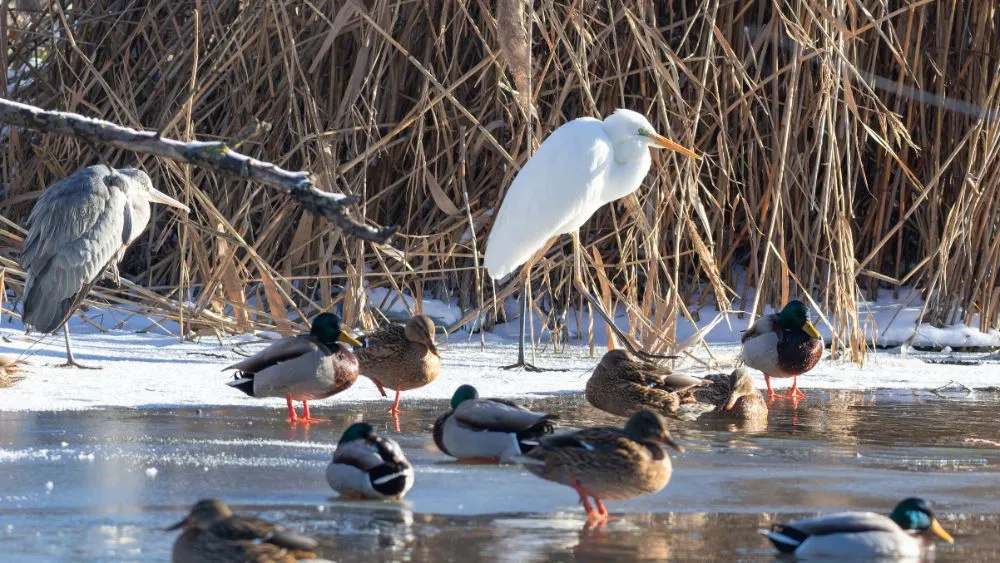
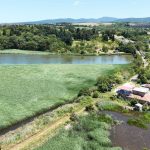
Just four kilometres from the village lies one of Bulgaria’s greatest natural treasures. An area covering little more than a square kilometre has recorded more than 315 bird species, making it one of the richest birdwatching sites in Europe. This is the Poda Protected Area.
Established in 1989 and managed by the Bulgarian Society for the Protection of Birds, Poda is an internationally recognised protected reserve situated directly on the Via Pontica, one of Europe’s two major bird migration corridors. Across approximately 327 hectares, the reserve protects a mosaic of shallow coastal lagoons, reed beds, salt marshes, and wet meadows that support extraordinary biodiversity throughout the year.
Why is this especially remarkable during winter?
Because while many visitors associate bird migration with spring and autumn, the colder months transform Poda into one of the country’s finest destinations for observing overwintering waterbirds.
Dalmatian pelicans—among the world’s largest freshwater birds—become regular visitors. Their enormous wingspans and prehistoric appearance make them instantly recognisable. Large flocks of pygmy cormorants gather along the wetlands, while tundra swans, herons, egrets, diving ducks, geese, and numerous birds of prey find refuge in the reserve’s sheltered waters.
For birdwatchers, photographers, and wildlife enthusiasts, winter is anything but the off-season.
The Poda Visitor Centre remains open year-round and offers excellent facilities for visitors. An observation terrace overlooks the wetlands, while bird hides, an eco-trail, and binocular rental make wildlife observation accessible even for beginners. Professional ornithologists are often available to share their expertise in several languages, making every visit both educational and memorable.
When to visit ?
Between October and March, the centre is generally open from 09:00 to 17:00, allowing plenty of time to explore before sunset.
A winter morning at Poda offers an experience few places in Europe can match. Mist drifts slowly across the lagoons. The scent of saltwater mixes with damp reeds carried on the sea breeze. Apart from the wind, the landscape is filled only with birdsong, the rustle of wings, and the occasional splash of a pelican landing on still water.
Standing on the observation platform with a warm cup of coffee as the first sunlight turns the wetlands golden, it’s easy to forget the outside world exists. It’s the kind of quiet moment that stays with you long after the journey ends.
Beyond Poda, slow tourism & local food

Here is the continuation of the publication-ready rewrite. This section picks up directly after the Poda section and keeps the same tone, structure, and editorial style.
Beyond Poda: lake Atanasovsko
North of Burgas, a short drive from the village, lies Lake Atanasovsko, another internationally important wetland within the wider Burgas lake system. Like Poda, it is recognised under the Ramsar Convention for its significance to migratory and overwintering birds.
While Poda feels intimate and enclosed by reeds and lagoons, Atanasovsko offers a broader, more open landscape. Winter light reflects off the shallow waters, creating ideal conditions for photography and wildlife observation. Lesser scaup, various duck species, Dalmatian pelicans, cormorants, and other waterbirds regularly spend the colder months here, and observation hides allow visitors to watch without disturbing the birds.
Between Poda and Atanasovsko, a winter visitor could easily spend several days exploring wetlands, photographing wildlife, and never once feel crowded. The practical advantage is their proximity: Poda is almost next door, Atanasovsko is within half an hour, and Burgas—with its museums, restaurants, Christmas market, and cultural events—is only about ten minutes away.
Where slow tourism comes naturally
Winter walking along the Black Sea coast isn’t about covering distance. It’s about slowing down enough to notice details that summer crowds tend to hide.
The beach here stretches long and flat, with no difficult terrain and no special equipment required. The rhythm of footsteps on cold sand, the steady sound of waves, and the low winter sun reflecting off the water create a kind of quiet that feels increasingly rare.
Sunrise is particularly rewarding in winter. The sun rises later—around 7:30 a.m. in December—making early excursions easier than in summer. Photographers appreciate the softer light, diffused by sea mist and winter humidity, while foggy mornings often turn the shoreline into something that looks painted rather than photographed.
The sea itself becomes part of the spectacle. During rough weather, storm watching is a genuine attraction: dark clouds, powerful waves, and the full force of the Black Sea without the gentler filter of summer calm.
For wellness travellers, this is where the destination shines. Digital detox is less a programme than a natural consequence of the environment. The quiet encourages longer walks, slower meals, better sleep, and the simple pleasure of being outdoors without an agenda.
Slow tourism doesn’t require elaborate infrastructure. It requires space, silence, and permission to move at your own pace. This stretch of coast offers all three.
The food that tastes like tradition
Summer restaurants along the coast often cater to tourists with familiar dishes and fast service. Winter dining feels different. The family-run taverns that remain open are serving their neighbours as much as their guests, and that changes the atmosphere completely.
Fresh Black Sea fish dominates many menus. Fish soup prepared from the day’s catch, grilled fish, seasonal mussels, and hearty Bulgarian dishes fit naturally with the colder weather. Shopska salad still appears, but winter is also the season for stews, roasted meats, beans, and other traditional comfort foods.
Fishing isn’t part of a tourism narrative here—it’s still part of everyday life. The boats on the beach are working boats, and the fish arriving in local kitchens often came ashore only hours earlier.
Local wines pair well with the seafood. Bulgaria’s wine industry has gained international recognition in recent years, and producers from the Black Sea region contribute some of the country’s most distinctive reds and whites. A winter evening with a glass of local wine, fresh fish, and the sound of the sea outside the window is exactly the kind of experience that makes visitors return.
Winter day trips worth taking
The village makes an excellent base for exploring the southern Black Sea coast throughout the year, but winter brings a different rhythm to these excursions. Without the summer crowds, every destination feels more personal and far easier to appreciate.
Burgas is just ten minutes away by car or city bus. Even in winter, the Sea Garden remains one of the city’s highlights—a peaceful seaside park where locals walk, jog, and enjoy the sea views. During December, the Christmas market fills the centre with festive lights, local food, and seasonal events without the overwhelming crowds found in larger European cities. Museums, galleries, theatres, and cosy cafés continue operating year-round, making the city an ideal complement to the quiet atmosphere of the coast.
Around thirty minutes to the south lies Sozopol. Its historic Old Town, famous for its cobbled streets, wooden Revival-period houses, and harbour views, takes on a completely different character once summer ends. Without the crowds, visitors can wander at their own pace and appreciate its history and architecture in relative silence.
Perhaps the greatest advantage of travelling in winter is the return of spontaneity. There are no long queues, no fully booked restaurants, and no need to reserve accommodation months in advance. Travel becomes simpler, slower, and more flexible.
Who winter here is really for?
Winter on this stretch of the Bulgarian coast isn’t for everyone—and that’s precisely its appeal.
It’s for travellers who have already experienced crowded beaches and busy resorts. For those who prefer authenticity over entertainment, quiet mornings over nightlife, and nature over packed itineraries. It’s for photographers chasing the perfect winter light, birdwatchers following the migration routes of Europe, remote workers seeking peace between projects, and anyone who simply wants to slow down.
Many of the things people describe as limitations become unexpected advantages. The quieter evenings, fewer restaurants, and absence of water sports create space for experiences that summer rarely allows.
You don’t come here for beach parties but to walk an empty shoreline at sunrise. You come to watch Dalmatian pelicans through binoculars while mist drifts across a silent lagoon. To enjoy freshly prepared fish in a family-run tavern where the fisherman who caught it may well be sitting at the next table.
Perhaps the biggest misconception is thinking of this as simply a beach destination. In reality, it’s a place built around slow tourism that happens to have beautiful beaches. Summer and winter offer entirely different experiences, each with its own character. Neither is better—they simply appeal to different kinds of travellers.
Arriving in winter
Imagine arriving on a quiet December afternoon. The bus from Burgas leaves you in a peaceful seaside neighbourhood. Only a handful of people are visible on the streets. Most are locals walking their dogs, collecting fresh bread, or heading home after work.
After checking into your accommodation, your host asks what brought you here in winter. When you mention birdwatching, they immediately recommend the best time to visit Poda and point you towards the restaurants that stay open year-round.
Later, you wander down to the beach. The sand is cool beneath your feet. The sea stretches endlessly towards the horizon, coloured in soft shades of steel blue and grey. There are no rows of sunbeds, no loud music, no beach bars competing for attention. Only a few fishing boats, a couple of dogs running along the shore, and the steady rhythm of the waves.
Catch the sunrise
The next morning begins before sunrise. At Poda, mist hangs low over the wetlands. Cormorants perch silently on old wooden posts with their wings spread wide to dry. Somewhere in the distance, a Dalmatian pelican glides effortlessly across still water, its enormous silhouette reflected in the lagoon.
Hours pass almost unnoticed. You photograph the birds; watching the changing light. You linger on the observation platform with a warm drink in your hands, finding little reason to check your phone when everything worth paying attention to is already in front of you.
Later, the staff at the visitor centre suggest another observation hide for the following morning and explain where certain species are most often seen during winter.
That afternoon, you return to the coast. The low sun casts long shadows across the sand as waves break gently along the shoreline. Time seems to slow. It’s one of those rare moments when a destination asks nothing from you except to be present.
That quiet simplicity is what many visitors remember long after they’ve returned home.
Why winter travel is growing
The growing popularity of slow tourism, nature-based travel, and authentic local experiences isn’t a passing trend.
Increasingly, travellers value meaningful experiences over packed itineraries, quality over quantity, and genuine connections over carefully curated attractions.
Winter on Bulgaria’s Black Sea coast reflects these changing priorities remarkably well.
Year-round tourism helps spread economic benefits beyond the busy summer months, allowing local businesses greater stability while reducing seasonal pressure on infrastructure and natural environments.
Visitors benefit just as much. Accommodation prices are lower, attractions are quieter, and conversations with local residents happen naturally rather than between waves of tourists.
Some experiences simply cannot be recreated during peak season—and they certainly can’t be captured fully on social media.
Practical tips for winter visitors
Many people considering a winter trip ask the same practical questions.
What is the weather really like?
While temperatures are cool rather than warm, sunny days remain surprisingly common. December averages around twelve sunny days, January about ten, and February around nine, providing plenty of opportunities for long walks, birdwatching, and photography.
How easy is it to get around?
Very easy. Roads remain open throughout winter, public transport connects the area with Burgas year-round, and there are no mountain passes or difficult driving conditions to worry about under normal circumstances.
What about accommodation?
There are fewer options than during summer, but availability is much greater and prices are significantly lower. Visitors can often enjoy the same sea views for a fraction of the peak-season cost.
Ultimately, the practical barriers to visiting in winter are relatively small. The biggest obstacle is perception. Many travellers still assume the Bulgarian Black Sea is only worth visiting during the summer months.
Beyond winter: A year-round destination
Although this guide focuses on winter, the destination rewards visitors throughout the year.
Spring transforms the surrounding wetlands as millions of migrating birds travel along the Via Pontica, creating one of Europe’s most impressive wildlife spectacles.
Summer brings warm sea temperatures, lively beaches, and outdoor cafés filled with holidaymakers.
Autumn combines comfortable weather with quieter beaches, making it a favourite season for photographers and those seeking a slower pace before winter arrives.
Every season offers something different.
- Winter belongs to solitude and wildlife.
- Spring belongs to migration and renewal.
- Summer belongs to the sea.
- Autumn belongs to colour, light, and tranquillity.
Understanding these seasonal differences allows travellers to choose the experience that best matches their expectations rather than following the calendar.
Winter at a glance
Winter along Bulgaria’s southern Black Sea coast is cooler than summer but noticeably milder than inland parts of the country. Average daytime temperatures range between 3 and 9°C, and heavy snowfall is uncommon.
The area’s greatest winter attractions are its natural landscapes. The Poda Protected Area and Lake Atanasovsko together support more than 315 recorded bird species and lie directly along the internationally important Via Pontica migration route. Dalmatian pelicans, pygmy cormorants, tundra swans, and countless overwintering waterbirds make this one of Europe’s finest cold-season birdwatching destinations.
The region is equally suited to slow tourism. Empty beaches, peaceful streets, fresh seafood, and dramatic coastal scenery replace the bustle of the summer season.
Its location also makes it an excellent base for exploring nearby Burgas and Sozopol while remaining close to some of Bulgaria’s most significant wetlands.
Perhaps the biggest misconception is that the Bulgarian Black Sea exists only for summer holidays. Winter tells a different story. It reveals empty beaches instead of crowded promenades, wildlife instead of water sports, quiet conversations instead of nightlife, and experiences measured not by how much you do, but by how deeply you remember them.
For travellers willing to look beyond the traditional season, this small corner of the Black Sea offers something becoming increasingly rare in modern tourism: space, authenticity, and silence.
Related guides: Poda birdwatching guide and Rosenets Park guide.