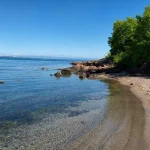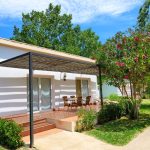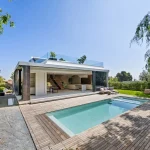



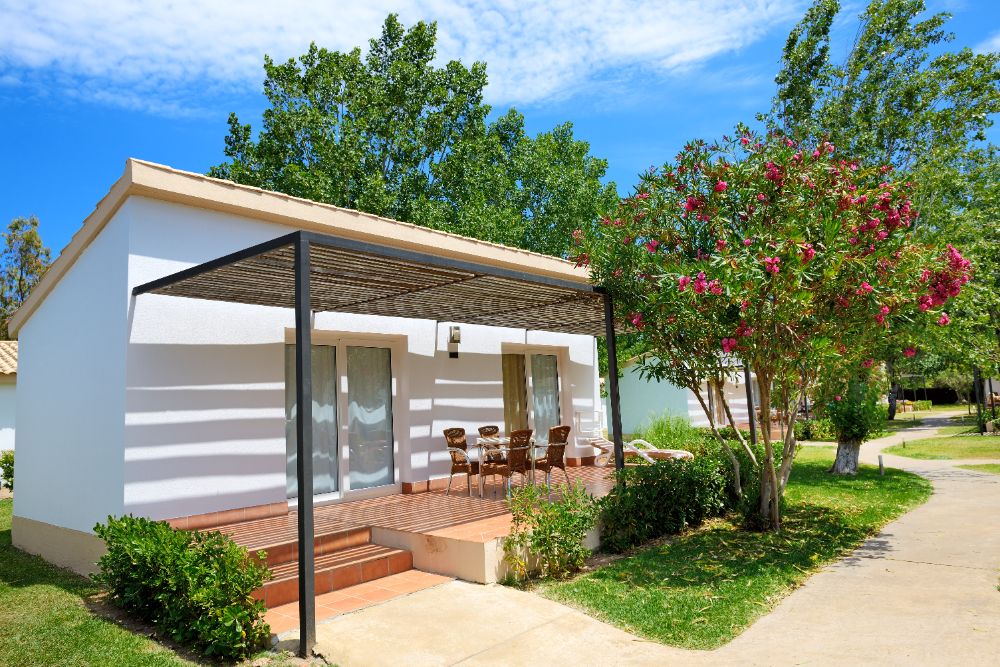

In 2022, my friend Petar purchased an old house in Kraimorie for €45,000. At the time, nearly everyone around him thought he was taking a senseless risk. As of April 2026, he owns two renovated villas which he rents out throughout the entire year. Both are already booked through October. I, myself, was sceptical… Guess who is currently scouring property listings for villas along our Southern Black Sea coast?
The difference between a profitable and a disappointing investment is not luck. It is rooted in thorough research, informed decision-making, and strategic thinking. Whether you are a Bulgarian investor seeking an alternative way to allocate your capital, or a European buyer enchanted by the beautiful shores of the Black Sea, this article will help you understand whether purchasing a villa here makes sense. No marketing gloss or rose-tinted glasses. Just real numbers, concrete risks, and an honest answer to the question: Is buying a villa on the Bulgarian Black Sea coast worth it in 2026?
1. Why are more and more people viewing a villa as an investment?
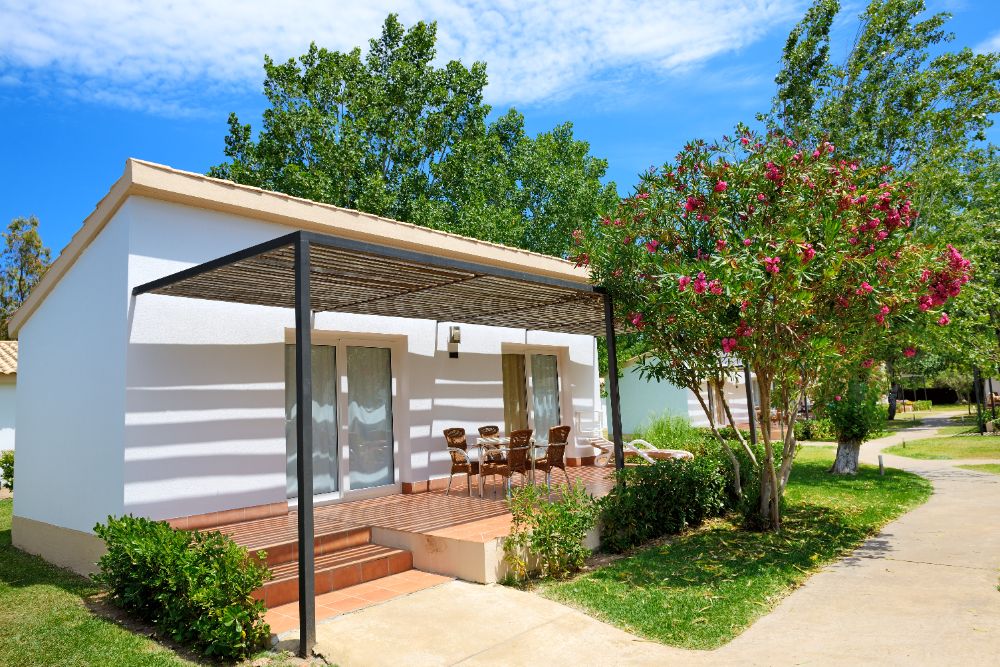
Not only in Bulgaria but across Europe, people who have accumulated savings are increasingly choosing not to deposit them in banks and are instead preferring to invest in tangible property. Real estate is once again becoming a preferred investment alternative, and the holiday villa is its most attractive option. Three factors explain this trend more clearly than anything else.
First: the real return on bank deposits remains low. Due to inflation, which eroded a significant portion of our savings between 2022 and 2025, money in the bank no longer provides peace of mind for many people and is slowly but surely losing value. Investors are seeking assets that will at least preserve, and in the best case, increase the purchasing power of their capital.
Second: short-term rental platforms have fundamentally changed the game. Popular websites and their equivalents have made accessible an audience that was previously simply unreachable for the small owner. A villa in Kraimorie is now simultaneously visible, in real time, to a family from Prague, a couple from Hamburg, or a group of friends from Bucharest.
Third: there has been a tangible shift in tourist mentality. The modern traveller no longer wants to be confined to a hotel room. They choose space, seclusion, free access to a kitchen, and a balcony with a view. Increasingly, they prefer to prepare their own breakfast, enjoy peace without worrying about hallway noise, and have dinner without necessarily sitting down in a restaurant.
The Black Sea coast offers a Mediterranean experience at Balkan prices. Tourists from Western Europe already know this – our task is to offer it to them at the right level.
2. The market in the Burgas region and the Southern Black Sea coast – figures and trends
Burgas Province is the third most populous in the country, boasts an international airport with direct flights from numerous European destinations, and is surrounded by some of the cleanest beaches along the entire coastline. It is a kind of epicentre of the Black Sea holiday economy. However, the market is not homogeneous. Different zones offer different investment profiles – and choosing the right zone is even more important than choosing the property itself.
Kraimorie – The zone with the highest growth potential
Kraimorie is a quiet fishing village located 12 km from Burgas. Still away from the mass tourist flow, property prices are among the lowest in the region, while tourist demand is visibly increasing. Future ambitious holiday rental projects, hinting at unparalleled style, comfort, and sustainability, send a clear signal that so-called boutique tourism is also finding its harbour here. This is precisely the zone with the greatest potential for price growth in the near future.
Pomorie – Tranquillity and a longer tourist season
Pomorie attracts a specific group of tourists – those seeking curative mud treatments, a calmer atmosphere, and contact with the diverse life of the natural salt lagoon. Prices are moderate, and the rental season is longer than average – health tourism does not end abruptly on September 1st.
Nesebar – An established market with high liquidity
Nesebar is one of the most recognisable names among foreign buyers. The market is established and rental activity is high, but prices are also higher, which means a lower return on investment. The area is suitable for investors seeking stability rather than high profit.
Sozopol – The premium segment
Sozopol attracts more demanding tourists who can afford higher nightly rates. Properties here are more expensive, necessitating deeper analysis and a strategic choice of property.
Primorsko and Kiten – A magnet for families and young people
These destinations are popular among younger tourists and families with children. Nightly rates here are lower, but the required capital to enter the market is also lower. Suitable for long-term investments with moderate returns.
3. How much can you realistically earn from a seaside rental villa – A step-by-step calculation
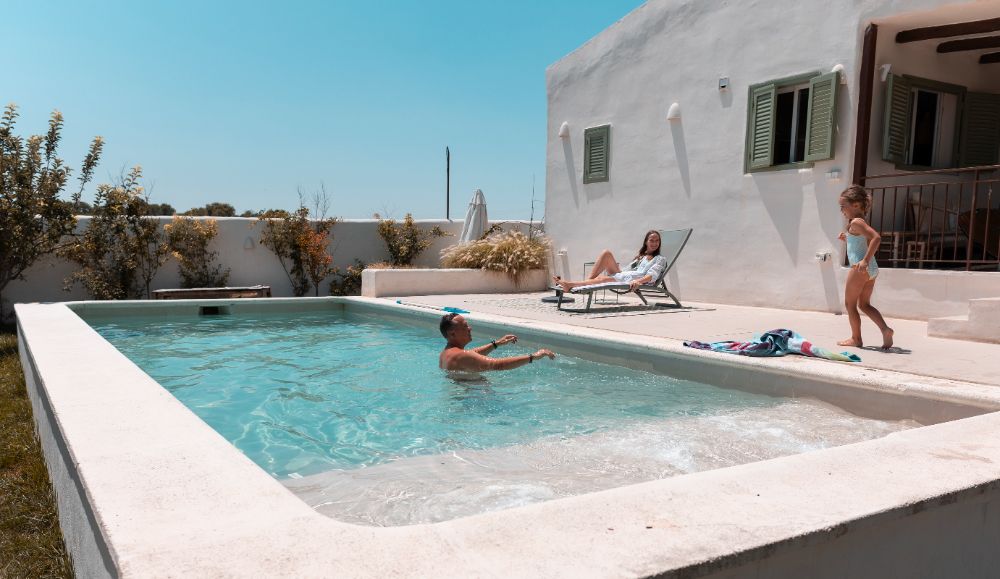
Let’s talk with numbers. Using real data from the region. Without advertising promises. See how much you could potentially earn from a seaside rental villa under realistic conditions.
Property Value: €300,000
Nightly rate (summer season): €350 – €400
Average rate: €375 / night
Active summer season in Bulgaria: ~90 days (June – September)
Potential maximum revenue (100% occupancy)
If the villa is occupied every day of the season:
90 days × €375 = €33,750 / season
This is a theoretical maximum. It is almost never achieved.
Realistic scenarios
| Scenario | Occupancy | Summer season revenue |
| Pessimistic | 50% (45 days) | €16,875 |
| Moderate | 65% (58–60 days) | €22,500 |
| Optimistic | 80% (72 days) | €27,000 |
Annual revenue including off-season rental
If the villa is also rented outside summer (average rate €200/night, ~45 additional days):
45 days × €200 = €9,000 additional revenue
Total Annual Revenue:
| Pessimistic scenario | ~€25,000 |
| Moderate scenario | ~€30,000 – €32,000 |
| Optimistic scenario | ~€36,000 – €40,000 |
Expenses (a key factor for net profit)
Typical expenses for an investment villa on the Black Sea coast:
| Expense category | Percentage of revenue |
| Management / Agency | 10 – 20% |
| Maintenance & Repairs | 5 – 10% |
| Cleaning & Supplies | 3 – 7% |
| Taxes & Fees | ~1 – 2% |
| Total expenses | 20% – 35% of revenue |
Net profit and return on investment (ROI)
Moderate scenario (~€32,000 revenue):
Expenses (~25%): –€8,000
Net profit: ~€24,000 / year
ROI for property in Bulgaria (seaside):
€24,000 / €300,000 = 8% net annual return
Return range:
- Conservative management: 6 – 7%
- Well-managed property: 8 – 10%
- Excellent location + high occupancy: 10%+
6% to 10% annual return with proper management. In an environment where bank deposits offer below 2%, the numbers speak for themselves.
4. The costs no one tells you about in advance
Let us be completely honest. Many investors approach the purchase of a holiday property with a dreamy mindset. The disappointment comes not because they made a bad choice, but because they did not foresee the real costs. How much does it actually cost to maintain a seaside villa?
One-time costs at purchase
| Cost | Percentage of price |
| Notary fees and transfer taxes | 3 – 4% |
| Legal fees | 0.5 – 1% |
| Estate agency commission (if applicable) | 2 – 3% |
| Furnishings and equipment | €5,000 – €50,000 |
Annual operating costs
| Cost | Amount |
| Property tax and waste collection fee | 0.1 – 0.2% of the tax assessment |
| Property insurance | ~€450 |
| Management via agency | 15 – 25% of rental income |
| Cleaning between guests | €70 – €130 per stay |
| Electricity, water, internet (outside season) | €150 – €300 per month |
| Reserve fund for repairs and maintenance | Minimum 2% of property value per year |
When all these costs are added up, net income settles between 60% and 70% of gross revenue for a well-managed property. Owners who planned for a net income of 90% inevitably end up disappointed.
5. Profile of a successful investment – what really works
Do you want to understand what distinguishes villas that generate stable passive income from those that merely exist on the market?
Property features
- Detached villa with a garden – seclusion commands a price premium of 20 – 30%
- More bedrooms – makes the property attractive to families, groups of friends, and event guests
- Air conditioning throughout – an absolute necessity, not a luxury
- Quality furnishings – directly reflected in platform ratings
- Parking space or garage – families with cars demand it
- Good internet connection – remote workers are a growing, solvent segment
Location
- Within a 15 – 20 minute walk or drive to the beach
- Easy access by car
- Close to amenities but not in a noisy resort neighbourhood
- Good mobile phone coverage
Management and maintenance
- Fast communication with guests – directly affects your rating
- Flexible reservation policy – no longer a bonus, but an expectation
- Presence on more than one booking platform (Airbnb, Booking.com, and others)
- Professional photography – a strategic investment that pays for itself within one season
The villa is your business. Treat it as such, and it will work for you, not the other way around.
6. Six risks you need to be aware of
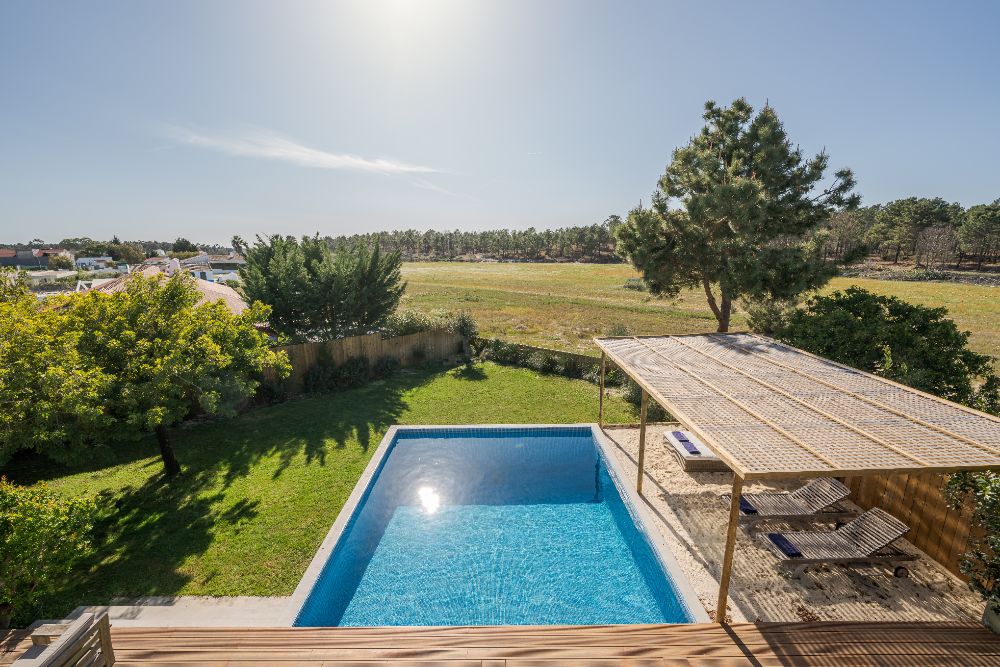
The informed investor makes the right decisions. An investment generating rental income carries its own risks. Here they are.
1. Seasonality
Black Sea tourism is concentrated mainly in July and August. If you rely solely on these months, it will be difficult to maintain stable income. Successful owners actively attract guests in June, September, and off-season weekends – this is precisely where the difference between strong and weak returns lies.
2. Management
Managing a property remotely is challenging. Without a trusted local partner to handle cleaning, maintenance, guest reception, and problem-solving, costs and headaches can quickly exceed income. A good on-site assistant is the key to successful management and sustainable results.
3. Regulation
Across Europe, short-term rentals are coming under increasing regulatory pressure. Bulgaria currently maintains a more liberal regime, but legislative changes are already being discussed. Therefore, it is wise to monitor the situation and structure your investment so that it remains viable even under more restrictive requirements.
4. Market cycles
Property markets move in cycles. Although prices are currently rising, downturns are expected and inevitable. Your investment should remain stable even if values fall by 15-20%; otherwise, it represents a gamble rather than a well-considered strategy.
5. Overpricing
In popular areas like Nesebar and Sozopol, there is a risk of paying significantly more for a property without this guaranteeing better returns. Be cautious and base your calculations on realistic occupancy, not on the seller’s marketing promises.
6. Rising competition
The villa market is becoming increasingly competitive. A property that was the only one within a kilometre a few years ago now competes with dozens of others. To stand out, you must focus on high quality, excellent service, and strategic positioning.
7. Why is 2026 different and why take the risk now?
It is no accident that we are discussing investing in a Black Sea villa specifically in 2026. The reason is that the current conditions are out of the ordinary. There is a convergence of factors making this period particularly suitable for analysis and potential investment action.
Price advantage in niche zones
While Sozopol and Nesebar are established markets with already compressed returns, areas like Kraimorie offer a better balance and purchasing opportunities under more favourable terms. However, as these places grow in popularity, this advantage is closing rapidly.
Infrastructure is improving
EU programme periods generate significant investments in roads, bike lanes, tourist attractions, and public spaces in the region. In the long term, zones with improving infrastructure register higher property price growth. Burgas Province is currently in such a development phase.
International demand is growing
The number of direct flights from Germany, the Czech Republic, Poland, Romania, and the United Kingdom to Burgas is increasing. Tourists from these markets seek quality villas but are finding them increasingly difficult to obtain at reasonable prices in Greece and Croatia. Thus, Bulgaria is becoming the logical next destination on their radar.
Interest rate environment is more favourable
The European Central Bank lowered interest rates consecutively in late 2024 and 2025. For buyers using mortgage financing, the terms today are significantly better than two or three years ago. This directly improves the financial equation of the investment.
2026 offers a rare combination: affordable prices in niche zones, growing international demand, and more favourable financing conditions. Such windows of opportunity do not stay open forever.
8. Is a holiday villa in Bulgaria a good investment in 2026?
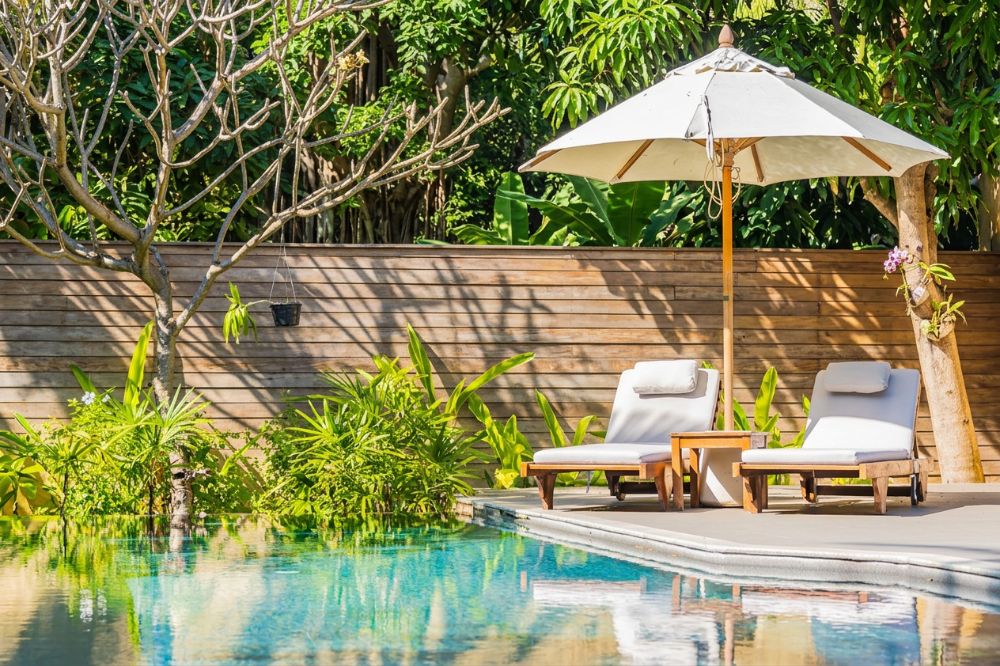
For whom is it a good investment?
| Your profile | Investment in a Black Sea villa in 2026 |
| You seek passive income from a villa and have time for management (or a budget for an agency) | YES (expected net return 6 – 10%) |
| You wish to diversify your capital into a real asset with growth potential | YES |
| You plan a combination of personal use and rental income | YES |
| You are looking for something to put money into and forget about | NO (a villa requires active management) |
| You have no trusted partner on the ground and are unwilling to pay for management | NO (costs and stress will exceed income) |
| You rely only on July and August for income | NO (seasonality will disappoint you) |
How to make money from a seaside villa? The answer lies in combining a strategic location, a quality property, professional management, and realistic expectations. The best places for seaside property investment right now are developing zones like Kraimorie, where the entry price still allows for a good return margin, infrastructure is improving rapidly, and demand is rising.
The Black Sea coast, and particularly the Burgas region, offers a real investment logic: more affordable entry prices compared to the Mediterranean, growing tourist flows, excellent flight connectivity, and untapped potential in zones that are still developing.
The only question you need to answer honestly is: are you ready to do the necessary due diligence?
Related guides: Kraimorie property investment comparison and real estate market guide.