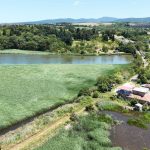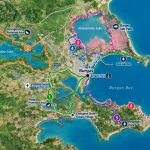




In the early hours of the morning, fishing boats leave the harbours while the sea still holds the silence of the night. For generations of local people, fish in Burgas Bay have meant more than food. They represent a livelihood, a tradition and a way of life. From spring horse mackerel to autumn bonito, every season brings a different catch. Yet today, fishermen are noticing changes that challenge the familiar rhythm of the sea. What is happening to fish stocks, and which traditions are still alive?
Fishing in Burgas Bay – a centuries-old tradition
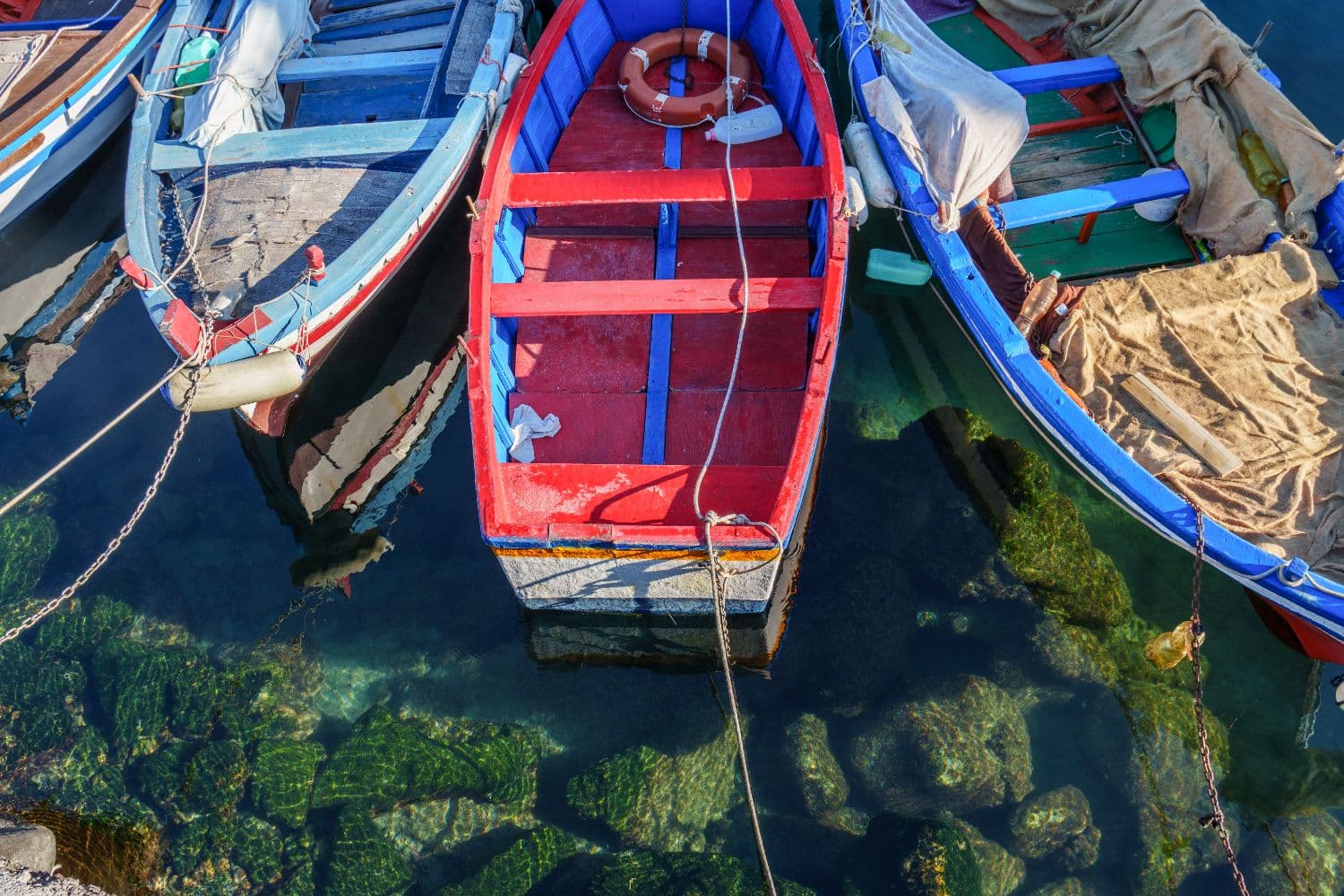
Fishing along Bulgaria’s southern Black Sea coast has deep historical roots. Archaeological discoveries near Cape Foros, including fishing net weights and tools used to make nets, provide evidence of ancient fishing practices. The area was once part of a busy coastal network where the sea provided food and opportunities for trade. More traces of this past can be found in the history of ancient Foros Fortress near Burgas.
Chengene Skele – a living fishing heritage
The fishing village of Chengene Skele preserves traditions passed down through generations. In 2016, the traditional craft of making fishing traps and nets was included in Bulgaria’s national register of intangible cultural heritage. Behind this craft lies a wealth of knowledge about sea currents, fish behaviour and the right moment to set fishing equipment.
What fish species live in Burgas Bay?

Burgas Bay provides a variety of habitats for marine fish. Horse mackerel, anchovies and sprats form schools, while gobies and red mullet live mainly near the seabed. Bonito and bluefish are highly mobile predators whose seasonal presence depends on water temperature, food availability and migration routes.
Horse mackerel and bonito – symbols of the seasonal catch
Horse mackerel is among the best-known fish along Bulgaria’s Black Sea coast. During the summer of 2026, fishermen from Chengene Skele reported abundant horse mackerel catches, despite lower numbers of other species. Bonito remains especially valuable in autumn, when migrating schools pass along the coast. For generations, these seasonal movements have shaped the rhythm of local fishing.
Seasonal fishing in the Black Sea – what fish are caught throughout the year?
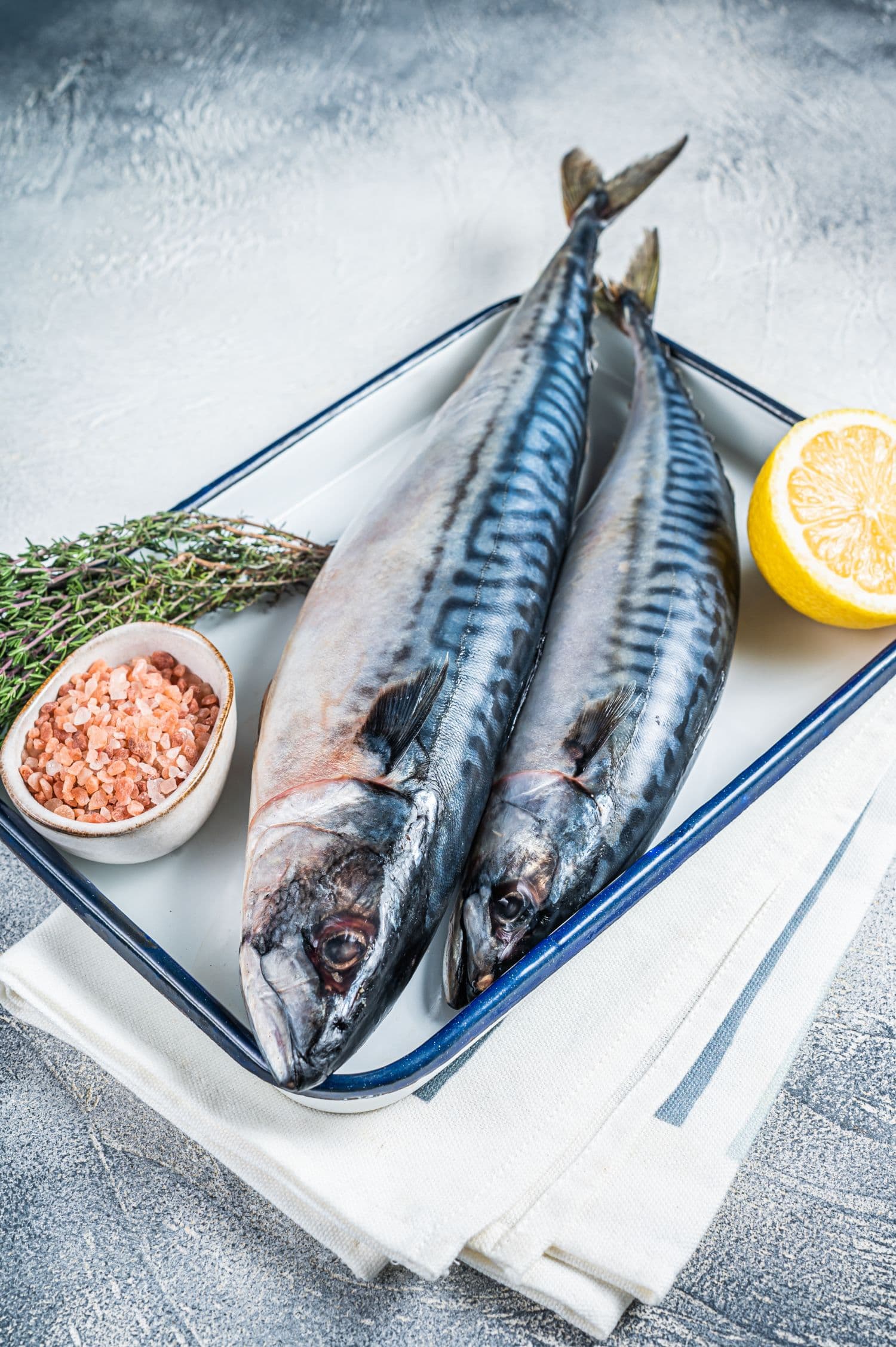
The fishing calendar follows natural cycles, but no season guarantees a good catch. Water temperature, currents and food availability influence the movement of fish schools. As a result, traditional fishing periods may differ from actual catches in individual years.
| Season | Typical fish species |
| Spring (March–May) | Pontic shad, anchovies, sprats, early horse mackerel |
| Summer (June–August) | Horse mackerel, red mullet, anchovies, grey mullet |
| Autumn (September–November) | Bonito, horse mackerel, bluefish, young bluefish |
| Winter (December–February) | Sprats, anchovies, grey mullet |
This table shows approximate seasonal patterns, not legally permitted fishing periods. Special restrictions apply to certain species.
Why is autumn the season of bonito?
During autumn, bonito traditionally migrate through the western Black Sea. These movements make them a prized catch for fishermen along the southern coast. However, in October 2026, catches declined sharply after a strong start to the season. Prolonged stormy weather kept boats ashore, and once fishing resumed, the schools became harder to locate. This shows how unpredictable even a familiar autumn fishing season can be.
How is the Black Sea changing, and what do fishermen say?
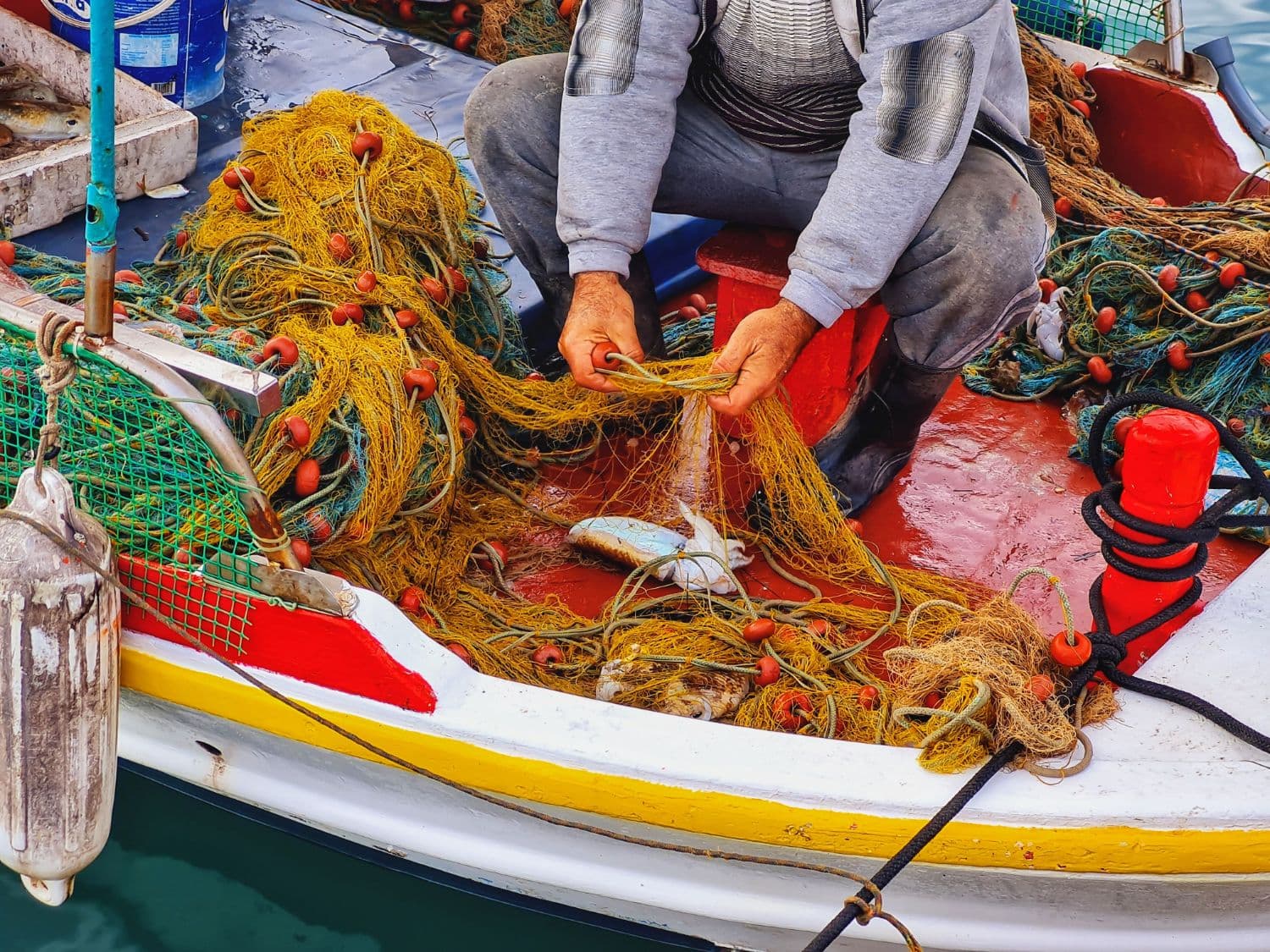
For those who go out to sea every day, change is more than a statistic. In autumn 2025, experienced fishermen from Chengene Skele described the season as one of the poorest they could remember. They reported unusually low catches of gobies, warmer water and increasingly unpredictable fish movements. Such observations raise important questions about the future of local fishing communities.
When the traditional fishing calendar is no longer enough

Scientific research confirms that the Black Sea faces growing pressure from climate change, pollution and overfishing. Changes in water temperature and marine habitats can affect the distribution of commercially important species, including horse mackerel and anchovies. However, this does not mean that every poor fishing season has the same cause.
Coastal ecosystems are closely connected. Mandra Lake, Atanasovsko Lake and the protected areas around Burgas form part of a wider natural landscape. Their importance for biodiversity is also explored in our articles about Mandra Lake and autumn bird migration along Via Pontica.
Seasonal fish cuisine in Burgas – traditional dishes and local flavours
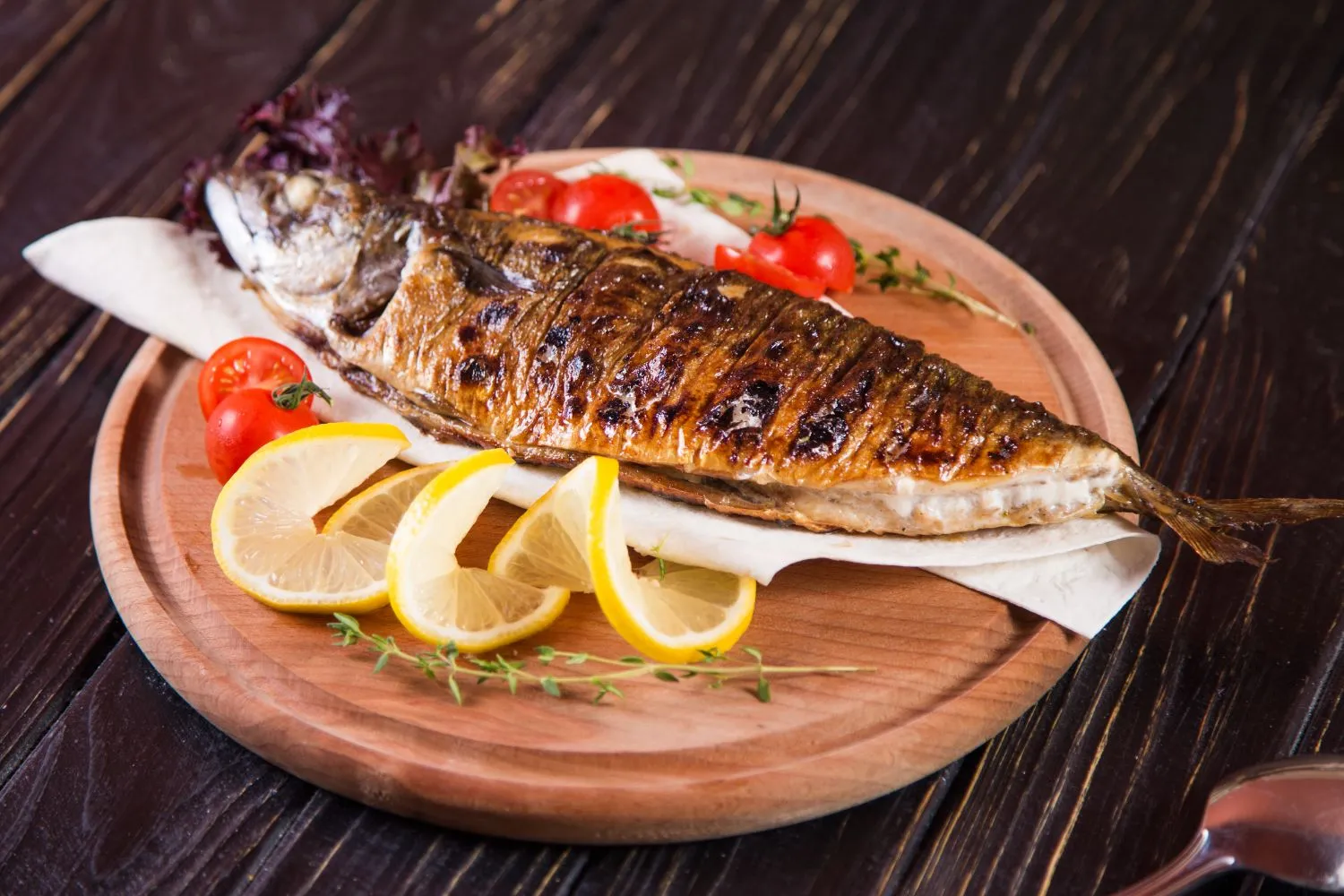
The cuisine of the Burgas region has long followed the rhythm of the sea. Fresh fish dominates the table during the warmer months, while autumn brings bonito and traditional methods of preserving the catch. In winter, fish soup and baked dishes bring families together. These culinary traditions reveal not only local flavours but also how fishing communities have made the most of each season’s catch.
Spring and summer – fried horse mackerel, sprats and fish soup

As the weather warms, horse mackerel becomes one of the most sought-after fish along the southern Black Sea coast. Traditionally, it is lightly coated in flour and fried until golden. It is usually served with lemon and a fresh salad. Sprats are prepared in much the same way and have long been part of the region’s simple seaside cuisine.
Fish soup also holds a special place on the Burgas table. It often combines several fish species with vegetables and aromatic herbs. Every fishing family may have its own recipe, and the flavour depends on both the ingredients and the freshness of the catch.
Autumn – bonito, lakerda and air-dried fish
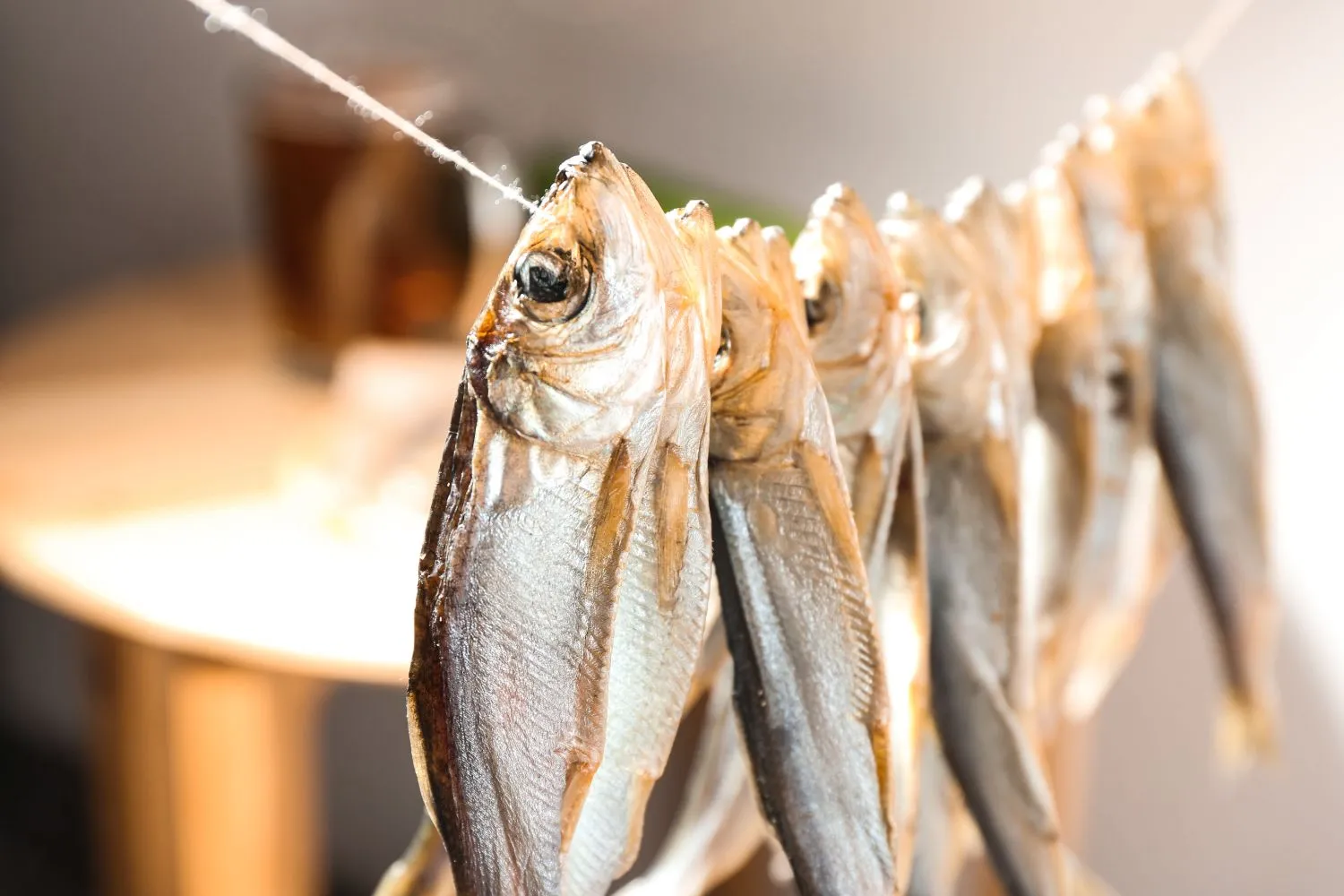
Autumn is the season when bonito takes centre stage in local fishing cuisine. Fresh bonito is excellent grilled or baked, but part of the catch is traditionally preserved for the colder months. This practice has given rise to two distinctive specialities: lakerda and air-dried bonito.
Lakerda is prepared by salting cleaned pieces of fish, which are then processed and stored under suitable conditions. Air-dried bonito undergoes salting and drying, giving it a firmer texture and a rich, concentrated flavour. These techniques were particularly valuable before refrigeration, when preserving the autumn catch was an essential part of preparing for winter.
Winter – baked fish plakiya and homemade recipes
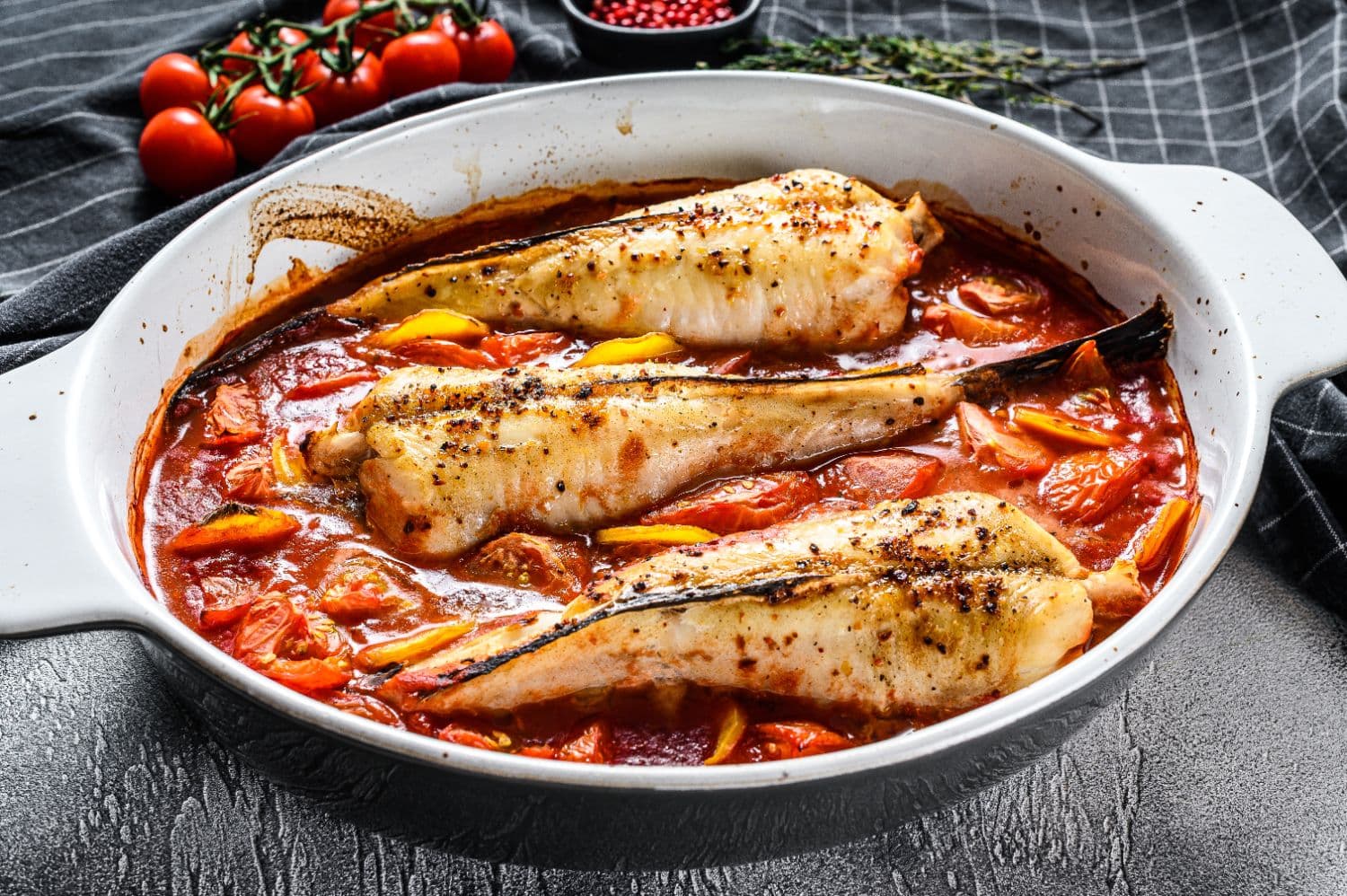
During the colder months, baked fish dishes and recipes made with preserved fish become more prominent. One familiar speciality is fish plakiya, baked with onions, tomatoes, herbs and sometimes lemon. The dish has several regional variations and is well known along Bulgaria’s Black Sea coast.
Winter cooking also preserves the flavours of autumn. Salted bonito, homemade fish appetisers and warm fish soup recall a time when the sea was a vital source of food for coastal families.
St. Nicholas Day in Burgas – a celebration of fishermen and the sea
On 6 December, Burgas celebrates St. Nicholas Day, known locally as Nikulden. St. Nicholas is traditionally regarded as the patron saint of sailors and fishermen, and the holiday is deeply connected to the city’s identity. Fish takes centre stage at the festive table. One of the best-known traditional dishes is stuffed carp, also called ribnik. Although carp is a freshwater fish, it holds a special place in Bulgarian St. Nicholas Day customs.
In Burgas, the celebration has a distinctly maritime character. Fish stew, baked fish and traditional fish soup are prepared and shared with residents and visitors. According to old fishing beliefs, boats should not go out to sea on St. Nicholas Day. The occasion is dedicated to gratitude for the sea, hopes for prosperity and remembrance of sailors and fishermen who never returned home.
Nikulden brings together everything that makes Burgas fishing culture distinctive: the sea, food, family traditions and respect for generations who depended on its resources.
The future of fishing traditions around Burgas
Fishing is more than an economic activity. It preserves knowledge, skills and stories that cannot easily be replaced. Despite changing conditions, boats continue to head out to sea, while traditional recipes remain part of family memories.
To discover the fish of Burgas Bay is also to understand the people who live by its rhythm. Every fishing net carries not only the hope of a good catch but also a small part of the coast’s history.