

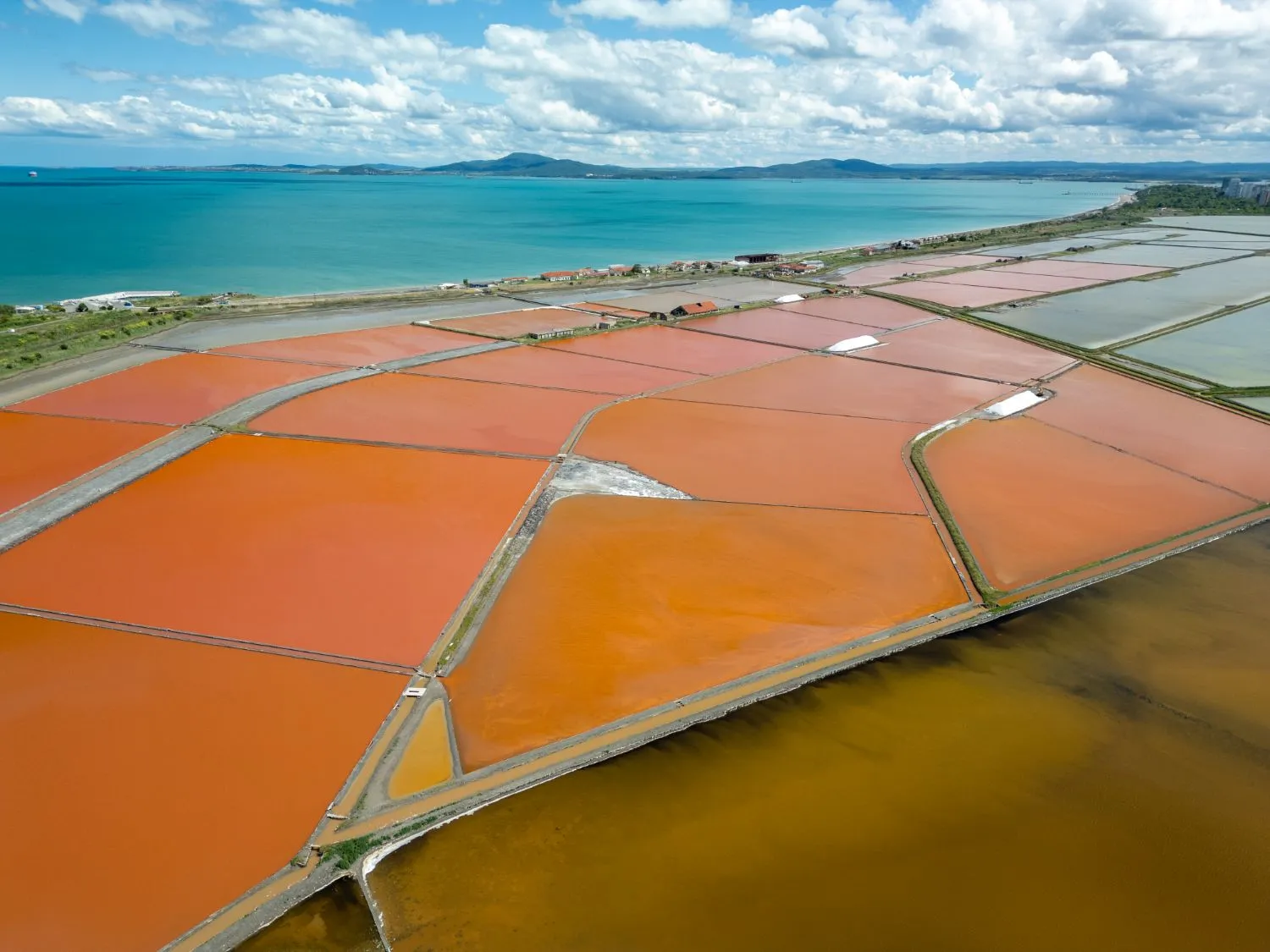

Just a few kilometres from the bustling city of Burgas lies a place where the water takes on shades of pink and nature offers an unusual experience. The Burgas Salt Pans attract visitors with their mud baths, saltwater pools and striking landscapes. Here, you can swap an ordinary beach day for something different. Discover local traditions, explore the natural richness of Atanasovsko Lake and enjoy one of the most fascinating natural attractions along Bulgaria’s Black Sea coast.
Burgas Salt Pans – where the sea meets the pink lake
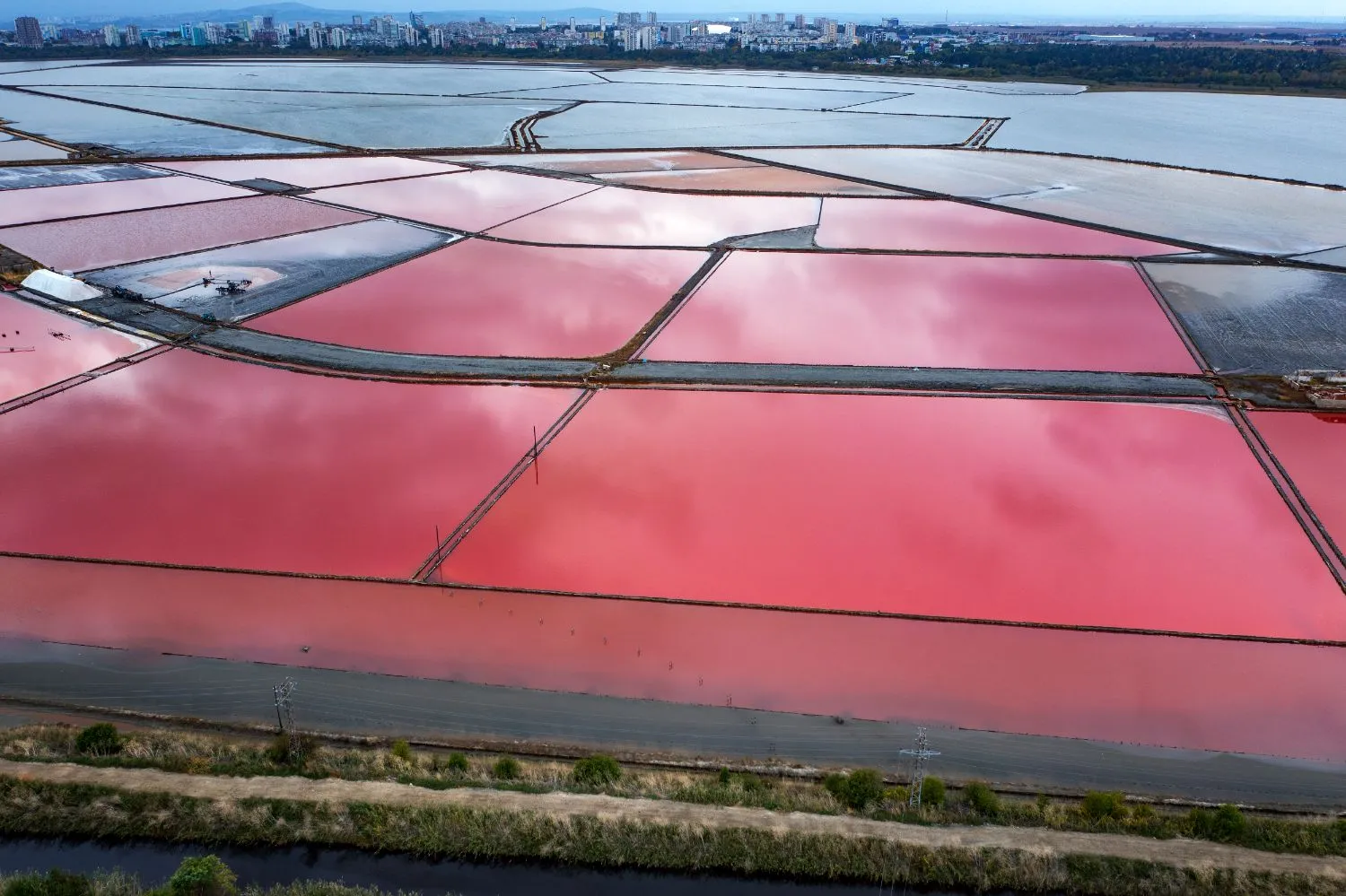
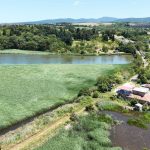
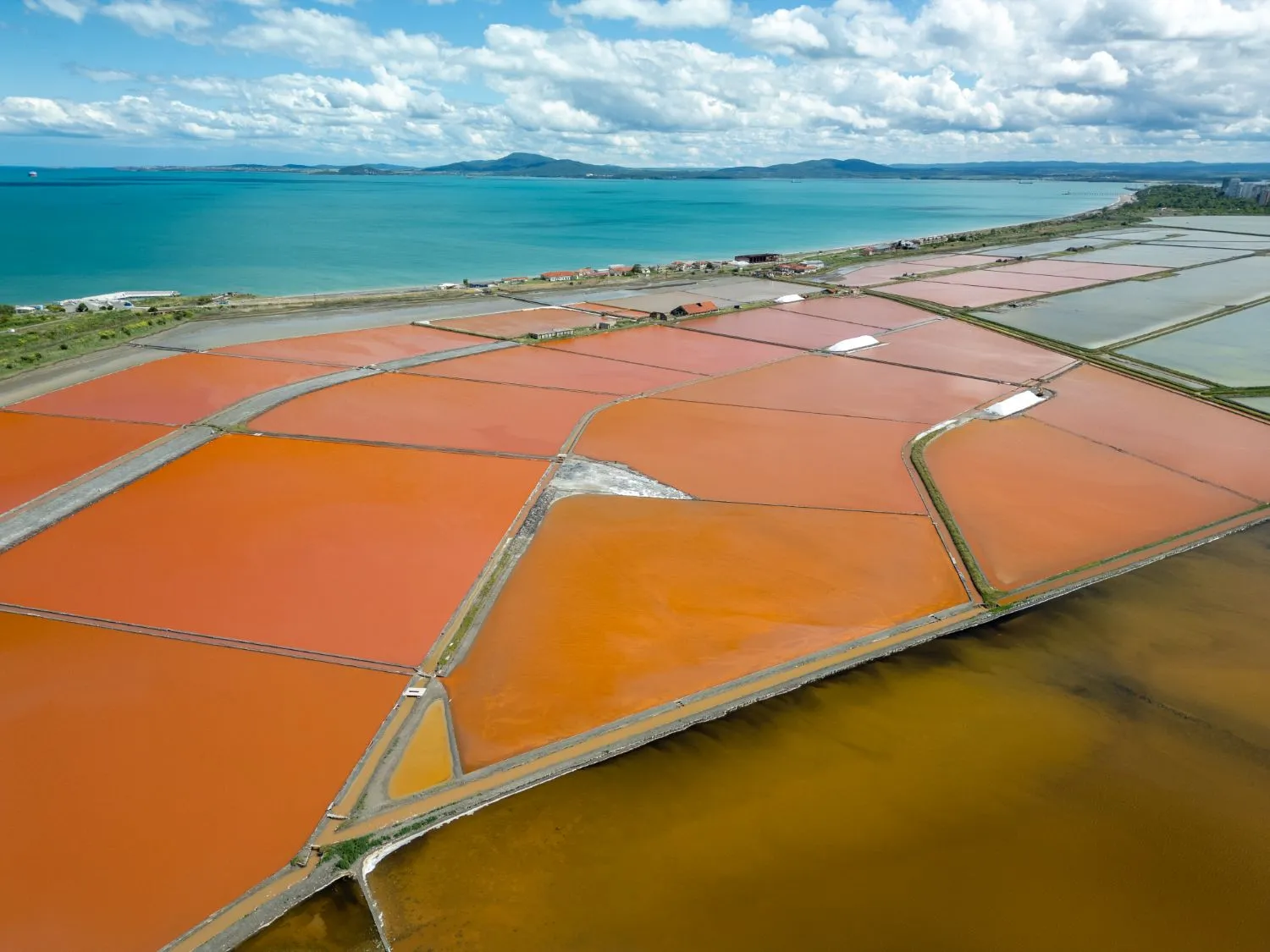
Located in the Atanasovsko Lake area, the salt pans are part of Burgas’ long history of salt production. Shallow pools separated by narrow embankments create an unusual landscape. Seawater gradually evaporates in these pools, increasing the salt concentration. Today, this remarkable place combines traditional salt production, natural beauty and growing interest from visitors.
Why is the water in the salt pans pink?
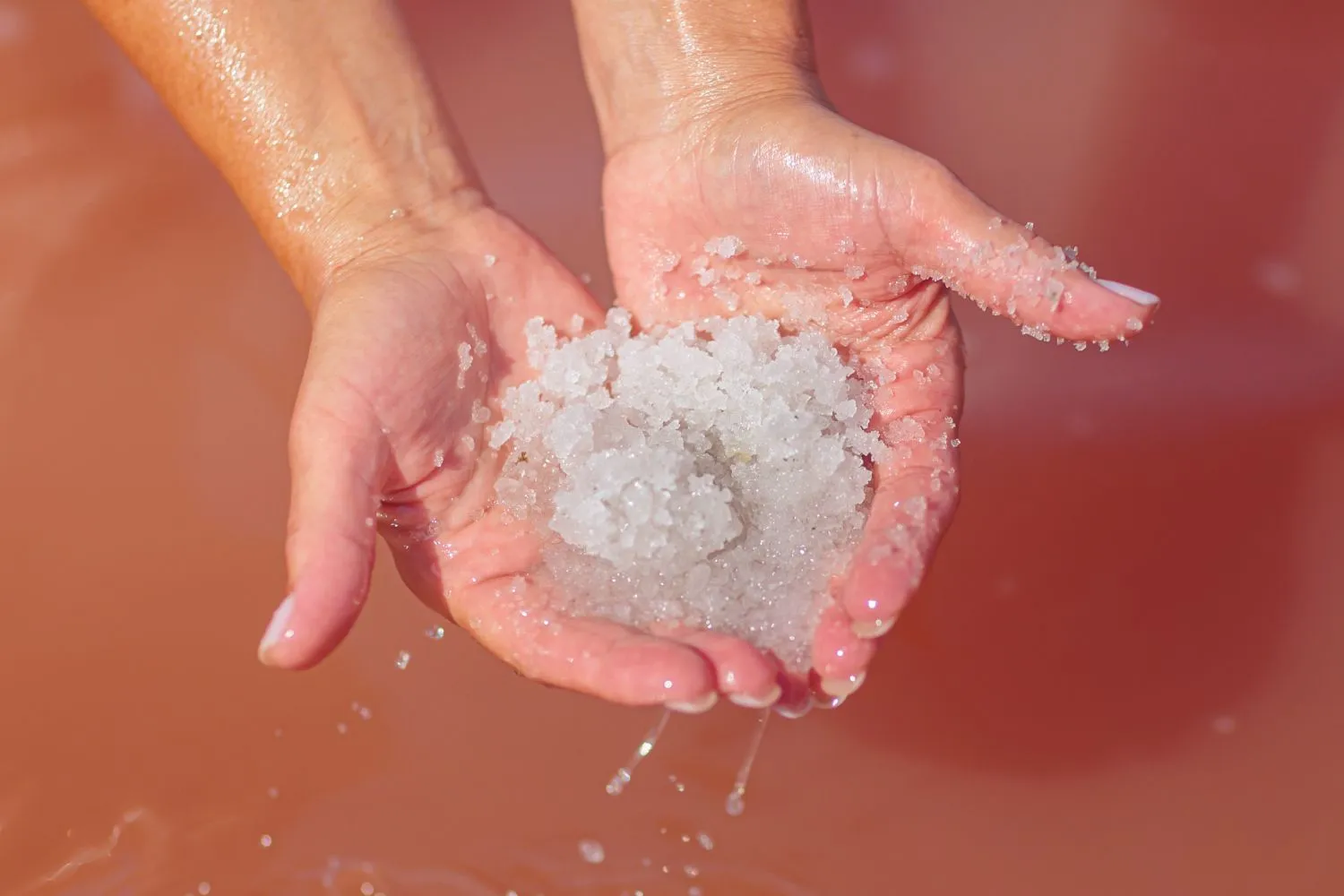
The pink colour is no coincidence. It is linked to salt-loving microorganisms, including the microalga Dunaliella salina. Under certain conditions, these organisms produce pigments that give the water pink and reddish shades. The colour depends on salinity, the season and the light. As a result, not every pool looks the same, and the most striking views often appear on sunny days.
Mud baths in Burgas – a natural ritual with a long tradition
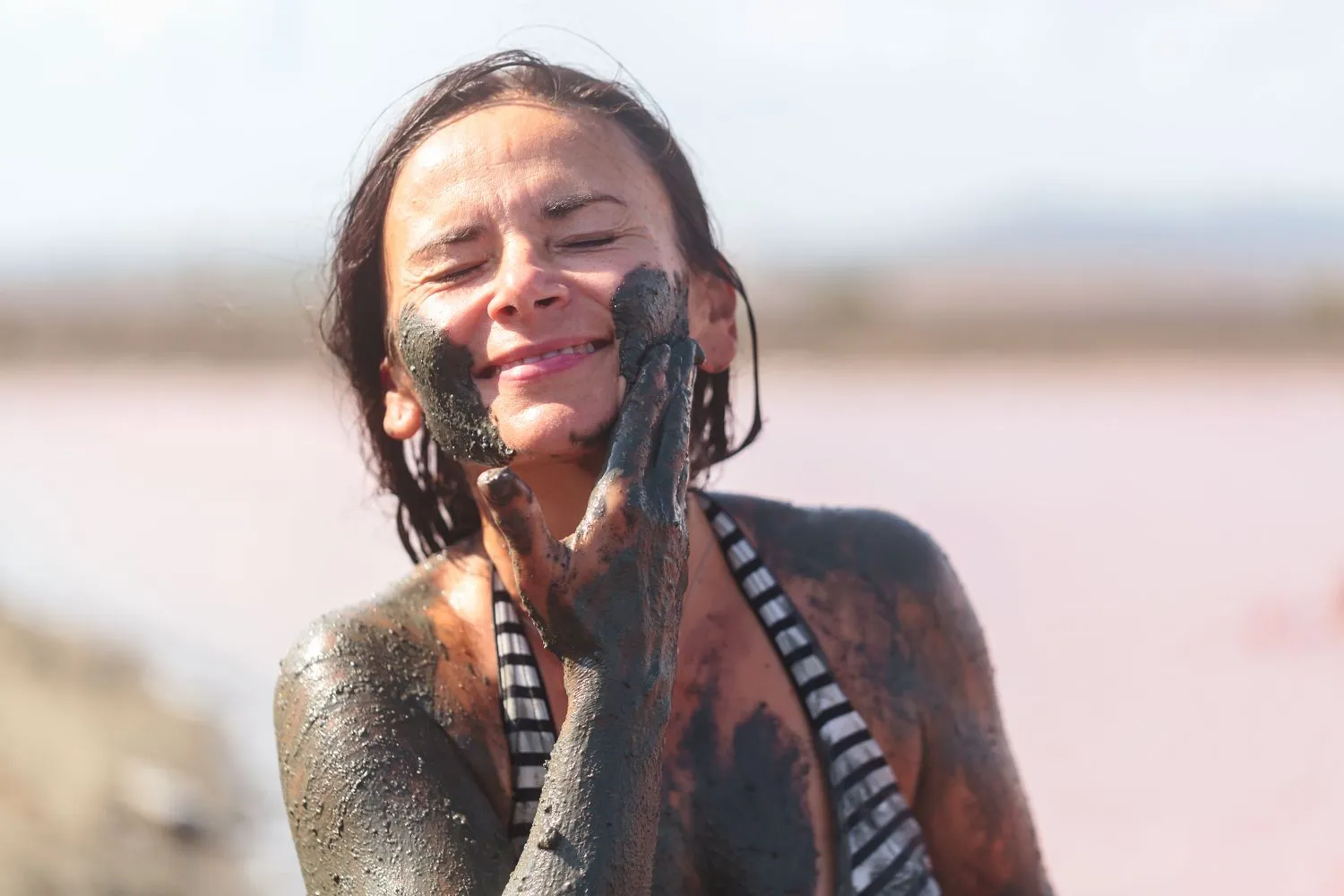
For many visitors, the mud baths are the most interesting part of the experience. The area is known for its natural lagoon mud and concentrated saltwater, locally called luga. This practice is part of local traditions and attracts both tourists and people looking for a different way to relax by the sea.
Therapeutic mud and mineral-rich brine – what is the difference?
Lagoon mud forms through long-term natural processes at the bottom of saline water bodies. It contains minerals and organic compounds. The local brine, known as luga, is a highly concentrated salt solution rich in various mineral salts. Both are used in balneotherapy, but they are not interchangeable. Despite their popularity, they should not be considered universal treatments or substitutes for medical care.
How to enjoy the Burgas mud baths safely
Visiting the mud baths can be a pleasant experience when approached with care. Use only designated areas that are open to visitors. Avoid spending too long in strong sunlight, and never apply mud to irritated or broken skin. After the treatment, rinse thoroughly and take some time to rest in the shade.
What should you bring for your visit?
Pack an old swimsuit, a towel, flip-flops and plenty of drinking water. Sunscreen and a hat are especially important in summer, as the open pools offer little natural shade. If you have cardiovascular conditions, skin problems, are pregnant or have other health concerns, consult a doctor before trying the treatments. Keep mud and brine away from your eyes, and avoid the procedures if you feel unwell.
How to reach Burgas Salt Pans from Kraimorie
The salt pans lie north of central Burgas, between Atanasovsko Lake and the Black Sea. From Kraimorie, the most convenient option is to drive through the city towards Sarafovo. For navigation, search for the public mud baths at Atanasovsko Lake rather than an entrance to the industrial salt production area. Allow extra time for traffic and parking during the busy summer season.
Where are the mud baths, and is there an entrance fee?
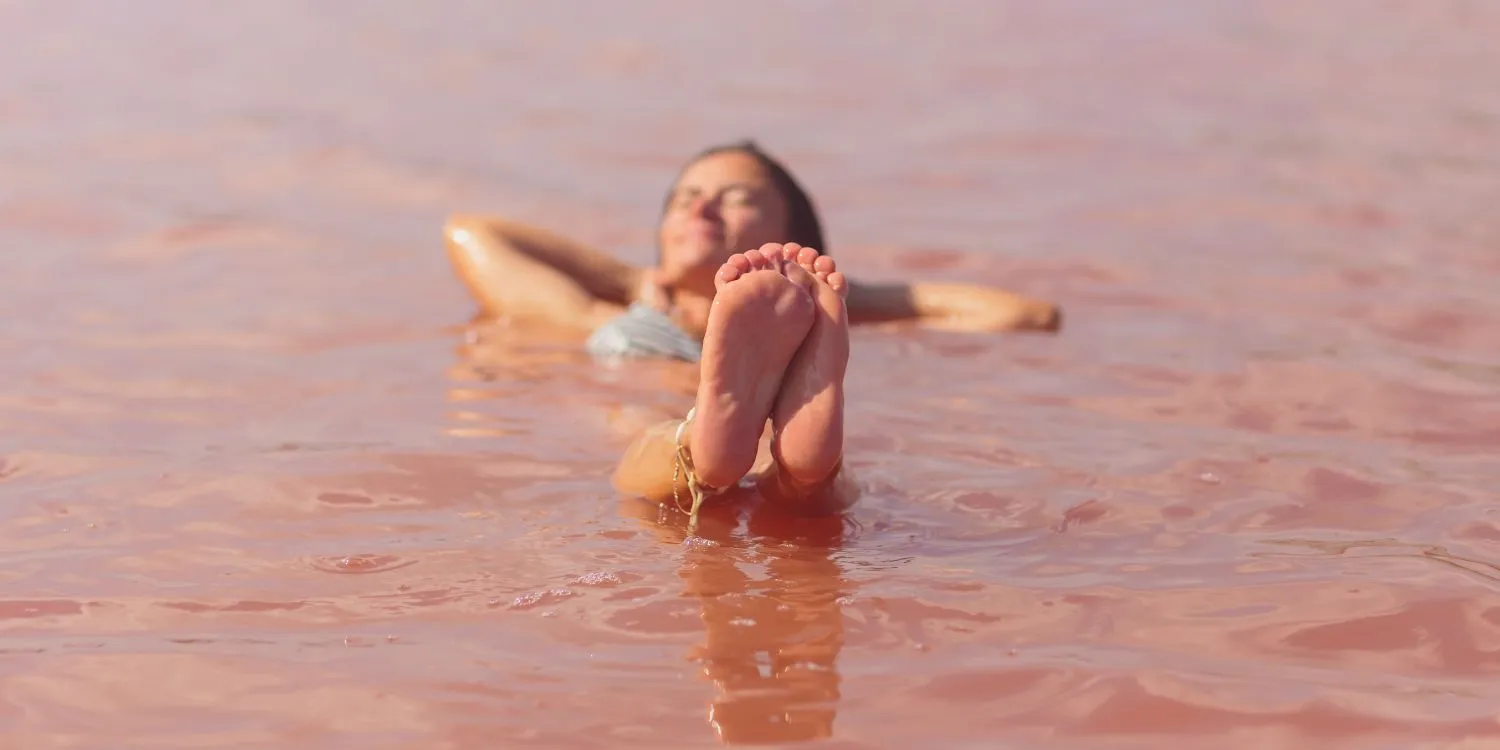
The mud pools traditionally used by visitors are located in the southern part of Atanasovsko Lake, close to the seashore. The area is known for free public access to its natural mud baths, although individual services and facilities may have different conditions. Before visiting, check the latest access information and follow the signs. Do not enter working salt production pools or protected natural areas.
When is the best time to visit Burgas Salt Pans?
Summer is the most popular season for the mud baths, but high temperatures require extra care. Early mornings and late afternoons are usually more comfortable for a visit. The sunlight is softer at these times, bringing out the colours of the saltwater pools. During strong winds, storms or extreme heat, it is better to postpone the treatments.
A summer escape or an off-season walk?
Outside the summer months, the salt pans offer a completely different atmosphere. The peaceful surroundings, changing colours and birdlife make the area an interesting destination for walks and photography. If you enjoy quieter trips, explore our suggestions for winter experiences along Bulgaria’s Black Sea coast. They show that the coastline has plenty to offer even after the beach season ends.
What else to see around Atanasovsko Lake and Burgas
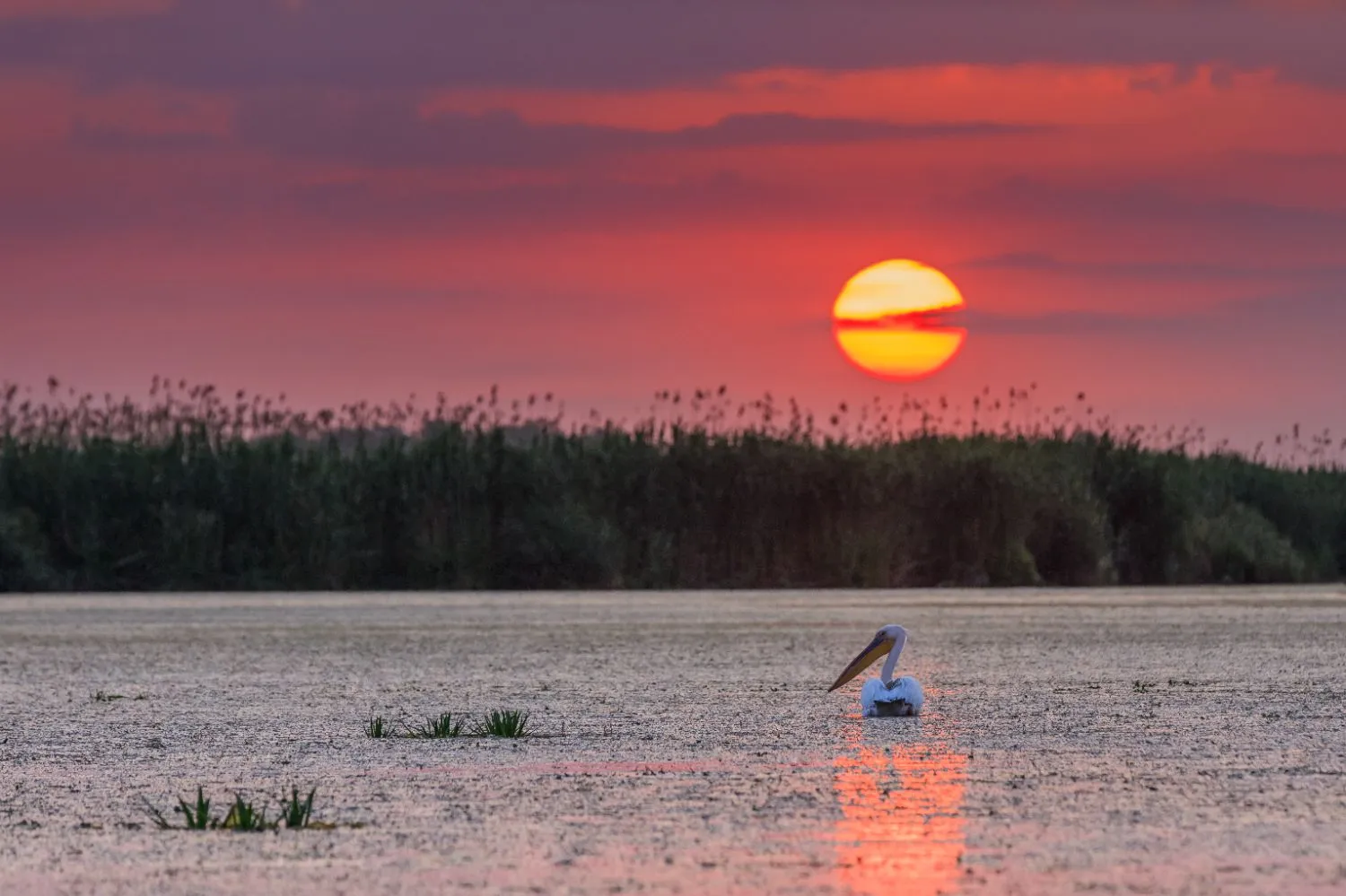
Atanasovsko Lake is much more than a place where salt is produced. It is an important wetland along the Via Pontica bird migration route and offers opportunities for birdwatching. If you enjoy nature, continue your journey to Poda Protected Area, where the rich variety of birds makes every visit a new discovery.
A day exploring nature near Burgas
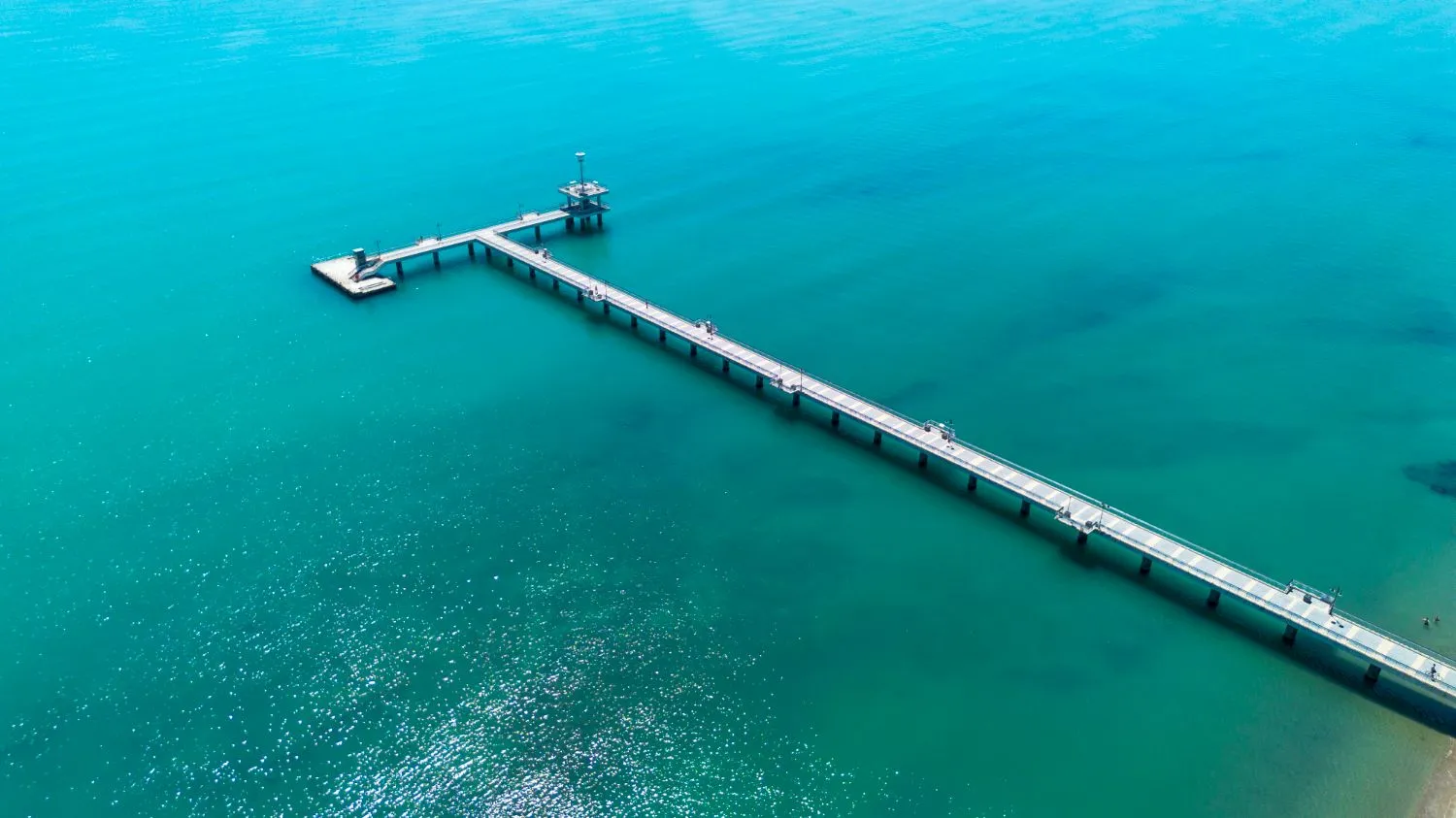
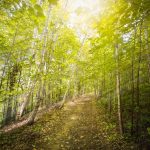
After visiting the salt pans, you can head south towards Rosenets Park. Here, fresh sea air blends with the cool shade of the forest, while peaceful paths invite you to enjoy a relaxing walk. For those who love panoramic views, the Alan Tepe eco-trail is another interesting option. In this way, an ordinary day near Burgas can become a small journey through salt lakes, forest trails and coastal landscapes.
The Burgas Salt Pans reveal a different side of Bulgaria’s Black Sea coast. You do not need an elaborate itinerary or expensive attractions to enjoy this place. A little curiosity, some preparation and a desire to discover something unusual are enough. Whether you come for the mud baths, the pink waters or the peaceful natural surroundings, this is a destination worth including in your next coastal adventure.