



Living in Kraimorie offers something that is becoming harder to find on the Black Sea coast: the sea on your doorstep without giving up the advantages of a city. This small seaside neighbourhood of Burgas combines beaches, lower-density development and a slower pace of life with easy access to one of Bulgaria’s major coastal cities. As lifestyles change and more people look beyond crowded urban centres and seasonal resorts, Kraimorie is beginning to attract a different kind of attention.
Why living in Kraimorie is becoming more attractive?
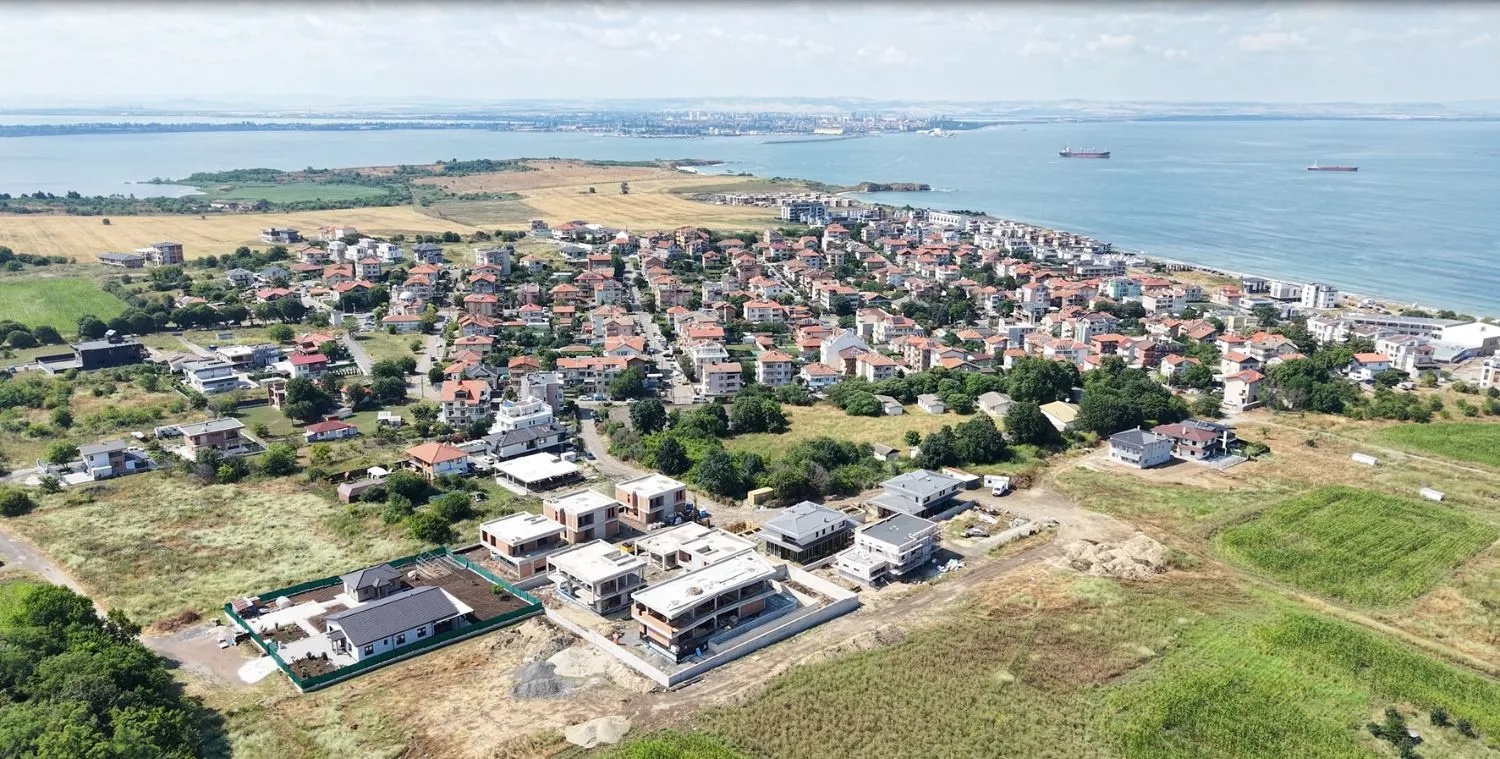
Kraimorie occupies an unusual position on the Bulgarian Black Sea coast. It feels separate from the city, yet it is part of Burgas. Residents can enjoy a quieter coastal setting without moving far away from everyday urban life. The beach is nearby, houses and low-rise buildings shape much of the neighbourhood, while Burgas remains within easy reach. For newcomers, our Kraimorie travel guide provides a broader introduction to the neighbourhood, its location and the surrounding area.
This combination creates an alternative to both dense city living and large seasonal resorts. People do not necessarily have to choose between access to the city and a home near the sea. Kraimorie brings the two much closer together, which could become increasingly important as buyers place greater value on space, outdoor living and quality of life.
Burgas is part of the reason Kraimorie works
The future of Kraimorie cannot be separated from Burgas. The city combines the Black Sea with an established urban environment and offers many of the services needed for everyday life throughout the year. Its Sea Garden, cycling infrastructure, renovated public spaces and long coastline have also made outdoor life an important part of the city’s identity.
Burgas is not dependent on tourism alone. The local economy is also connected to transport, logistics, trade and services. This broader economic base matters for nearby residential areas because it supports a more permanent population and makes year-round living more practical. Kraimorie benefits from this proximity while maintaining a noticeably different atmosphere.
City convenience without living in the city centre
Living by the sea often involves a compromise. A quiet coastal location can mean being far from shops, schools, healthcare, employment and other everyday services. Living in a large city provides convenience, but often comes with more traffic, noise and density. Kraimorie sits between these two models.
This can make the neighbourhood particularly interesting for families, people working remotely and buyers looking for a home near the sea without disconnecting from a major city. Burgas remains close enough for work, shopping, education and entertainment, while returning home means returning to a smaller seaside neighbourhood rather than another busy urban district.
A lifestyle built around the outdoors

There is another advantage that is harder to measure in kilometres. It is how everyday life feels. The sea and open spaces make walking, cycling and spending time outdoors easier to integrate into a normal day, while Burgas adds parks, cultural life, restaurants, shopping and services.
The result is not simply access to a beach. It is the possibility of combining two different lifestyles within the same city. Someone can spend the working day in Burgas and the evening near the sea, or work from home in Kraimorie and reach the city whenever necessary.
What everyday life in Kraimorie could look like

Imagine beginning the day with coffee close to the Black Sea and a short walk along the coast. Someone working remotely can spend most of the day at home and reach Burgas when needed. During the warmer months, an ordinary afternoon can end at the beach rather than in traffic or inside a shopping centre. In the evening, the smaller scale of the neighbourhood creates a different atmosphere from central Burgas or the large resorts farther along the coast.
The coastline itself also offers more variety than a single urban beach. Different parts of Kraimorie have their own character, from more accessible stretches to quieter coastal areas. Our guide to the beaches of Kraimorie explores these locations in greater detail and shows why the area appeals to visitors looking for a calmer Black Sea experience.
The more interesting question, however, is what happens when summer ends. If a seaside neighbourhood remains practical and attractive in November, February and April, its value is no longer based only on tourism.
From summer destination to year-round seaside neighbourhood

Many locations on the Bulgarian Black Sea coast are still viewed primarily through the summer season. Apartments become holiday properties, restaurants depend heavily on visitors and entire areas change dramatically between August and January. Kraimorie has the potential to follow a different path because its connection with Burgas makes permanent residence more practical.
A property here can therefore appeal not only to holidaymakers. It can also attract people searching for a primary residence, a second home or a long-term property investment. This distinction matters because a home intended for year-round use has different priorities from a property designed almost entirely around the summer season.
More than a holiday property market
For permanent residents, factors such as access, infrastructure, neighbourhood quality, outdoor space and proximity to everyday services become increasingly important. A sea view remains attractive, but it is no longer the only consideration. The question changes from “Where would I like to spend two weeks in August?” to “Would I enjoy living here throughout the year?”
That shift also changes the property market. Apartments, houses and villas can serve very different buyers, and each type of property carries its own advantages and risks. Our analysis of property investment potential in Kraimorie looks more closely at these differences and the factors that can influence long-term investment decisions.
Why low-density coastal living matters
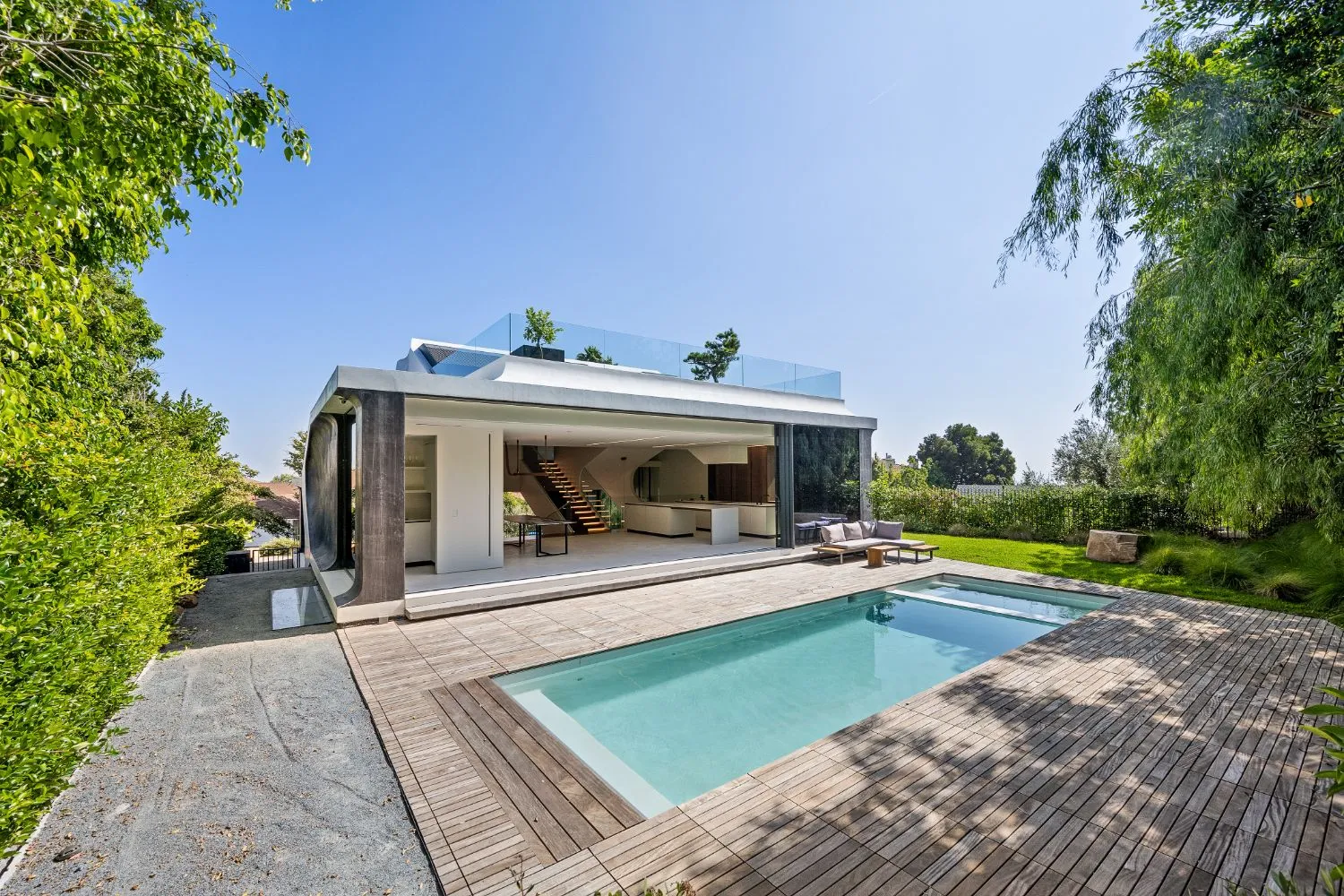
Being close to the sea is not enough on its own. The character of the surrounding environment matters just as much. One of Kraimorie’s distinctive features is its relatively small scale compared with larger Black Sea resorts and more densely built urban districts. Houses, villas, gardens and low-rise residential buildings can create a very different environment from large resort complexes.
For some buyers, private outdoor space may matter more than a sea-view balcony. Families may place greater value on quieter surroundings and proximity to nature, while people moving away from dense urban areas may simply want more space around their home. These preferences can increase the appeal of smaller coastal neighbourhoods, but they also make the way those neighbourhoods develop particularly important.
The property market is part of the changing story
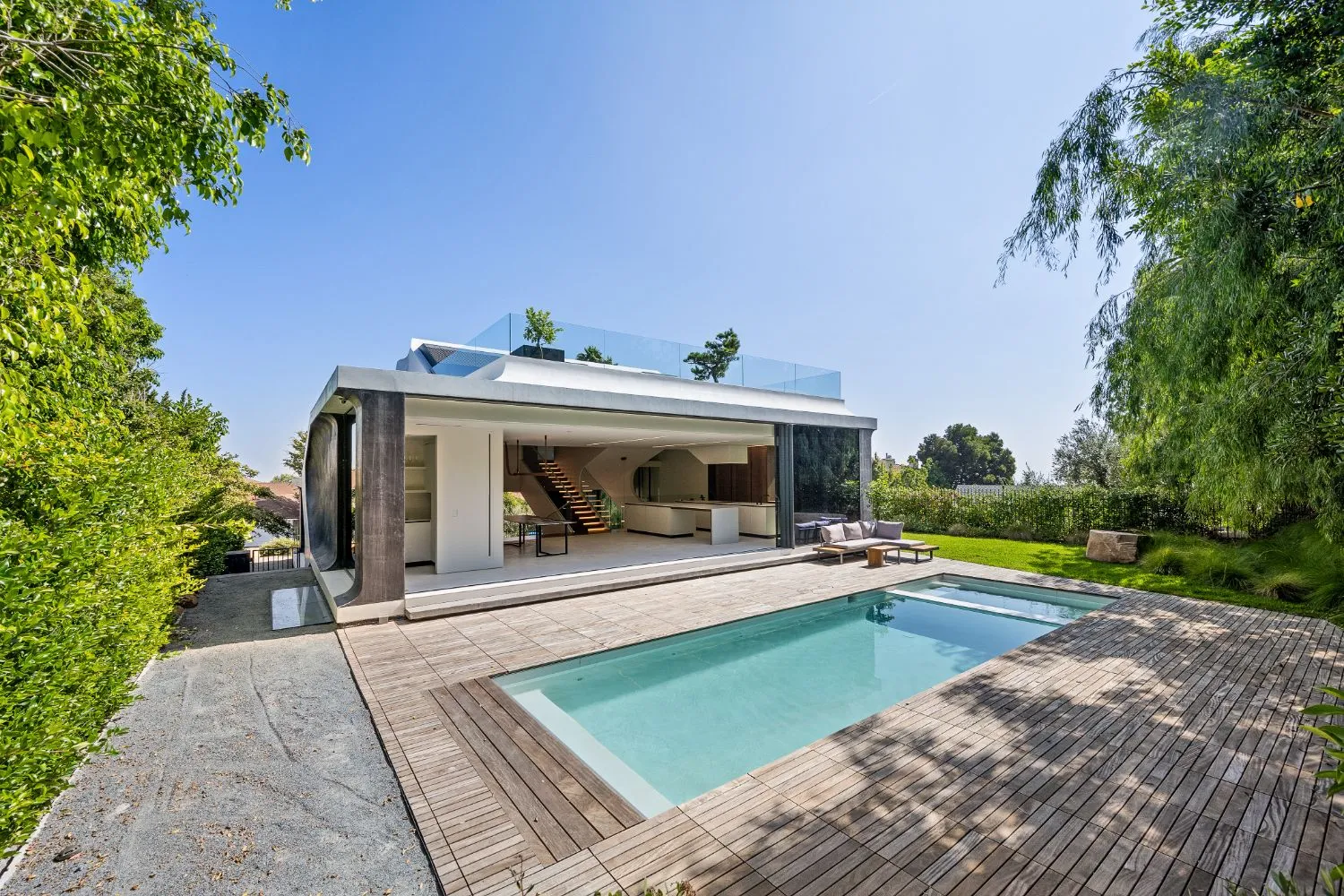
Lifestyle and real estate are closely connected. When an area becomes attractive for permanent living, demand is no longer driven only by the tourist season. Different types of buyers can enter the market and their priorities begin to influence what is built, renovated and offered for sale.
In Kraimorie, this can mean interest in apartments close to the beach, houses and villas with gardens, as well as plots with future development potential. The important point is not that one property type is automatically better than another. It is that the range of possible uses is broader when an area functions as both a seaside destination and a residential neighbourhood.
Houses, apartments or land?
Existing homes offer the advantage of immediate use, while new residential projects may provide modern layouts, better energy efficiency and contemporary amenities. Land offers greater flexibility, but it also requires a much deeper understanding of planning rules, infrastructure, construction costs and development restrictions.
For buyers considering this option, our guide to land plots in Kraimorie and the difference between land and regulated building plots explains some of the key factors that should be considered before making an investment decision. The growing interest in these different property types suggests that Kraimorie’s appeal is becoming broader than its traditional role as a place for a summer holiday.
What could shape the future of Kraimorie
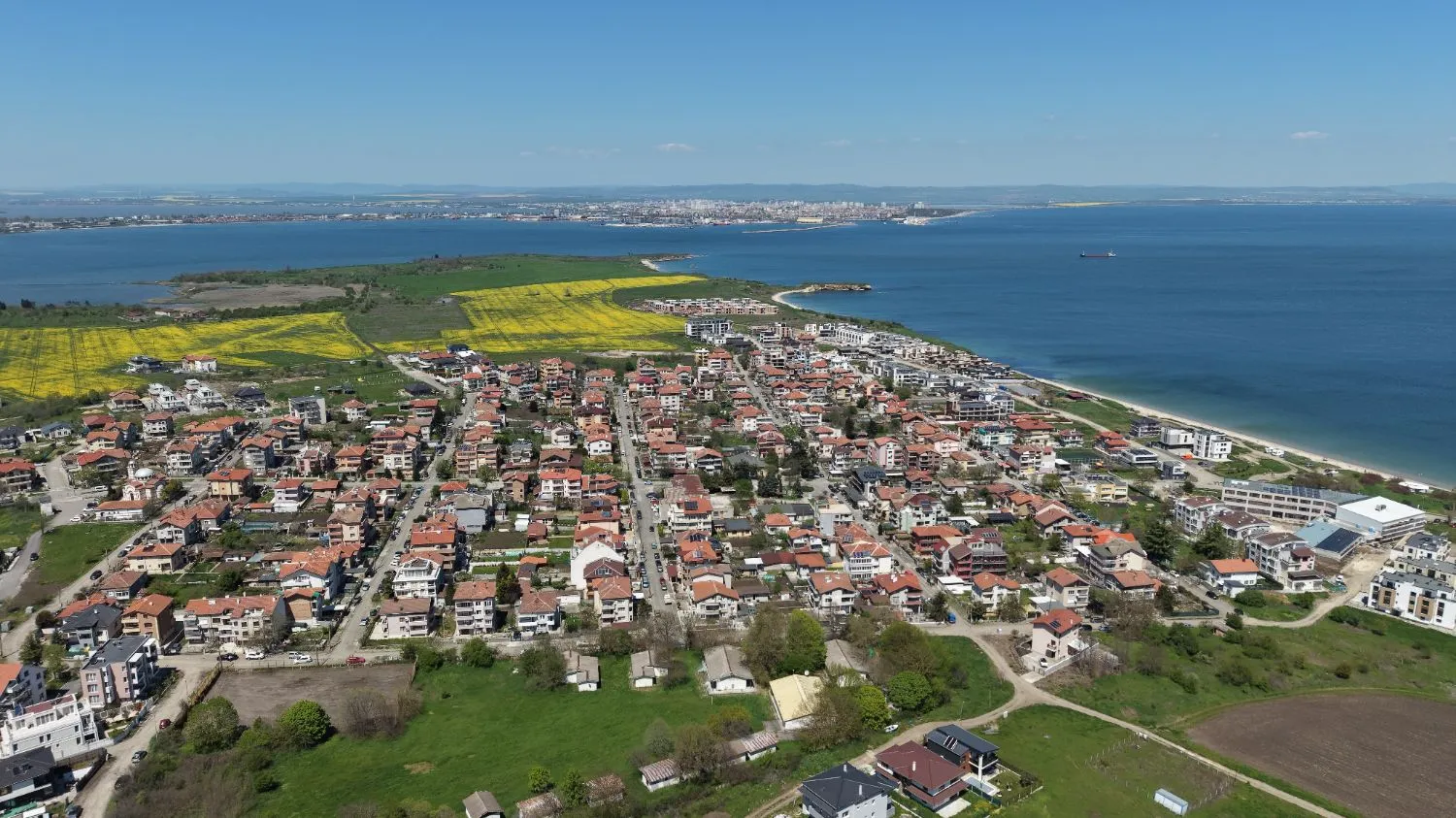
Growth alone will not make Kraimorie a better place to live. The more important question is what kind of growth comes next. Infrastructure will matter, as will the quality and scale of new residential projects. Better public spaces, services and connections with the rest of Burgas could strengthen the neighbourhood’s year-round appeal.
At the same time, development requires balance. If construction becomes too dense, Kraimorie could gradually lose some of the qualities that make people interested in the area in the first place. The coastline, green spaces, lower-density character and connection with nature are not simply attractive details. They are part of the neighbourhood’s identity and potentially part of its long-term residential and property value.
Could Kraimorie become one of Burgas’ most desirable places to live?
Kraimorie has a combination that is not easy to reproduce. It offers direct access to the Black Sea without being isolated from a major city. It provides a quieter residential environment while remaining connected to Burgas, and it can work as a summer destination without depending entirely on the summer season.
There are still important questions about future construction, infrastructure and how the neighbourhood will evolve. The answers may ultimately determine how attractive Kraimorie becomes for residents, property buyers and investors. Its greatest opportunity may therefore not be to grow as quickly as possible, but to develop while preserving the characteristics that distinguish it from both dense urban districts and large seaside resorts.
The future of Kraimorie may not be about becoming another Black Sea resort. It may be about becoming something far more valuable: a place where people come for the sea and decide to stay.