

Sea or mountains? We usually choose according to the season, the scenery or simply where we feel happiest. Yet there may be more behind that preference than we realise. A seaside holiday surrounds us with open horizons, waves, salt air and a completely different rhythm from everyday urban life. Mountains offer their own restorative environment, but what happens beside the sea is particularly intriguing — and science is beginning to explain why.
Seaside holiday or mountain escape: What does science actually say?
Both the coast and the mountains take us away from traffic, screens, noise and the constant visual stimulation of cities. But they do it through two different natural environments. Researchers often describe forests, parks and vegetation as green spaces, while seas, lakes, rivers and other visible bodies of water are known as blue spaces. Both have been associated with wellbeing. What science cannot yet confidently say is that blue space is universally better than green space — or vice versa. Research comparing the two directly remains limited. What is becoming increasingly interesting, however, is the relationship between coastal environments and how we feel.
Why blue space attracts scientific attention
A walk beside the sea combines several experiences at once: an open horizon, natural light, repetitive sounds, moving water and opportunities for physical activity. Research into blue spaces has found positive associations with mental wellbeing and physical activity, while newer reviews continue to investigate their potential role in psychological restoration and stress reduction. In other words, that feeling of “switching off” beside the sea may not be purely imaginary.
Why a seaside holiday can feel so restorative
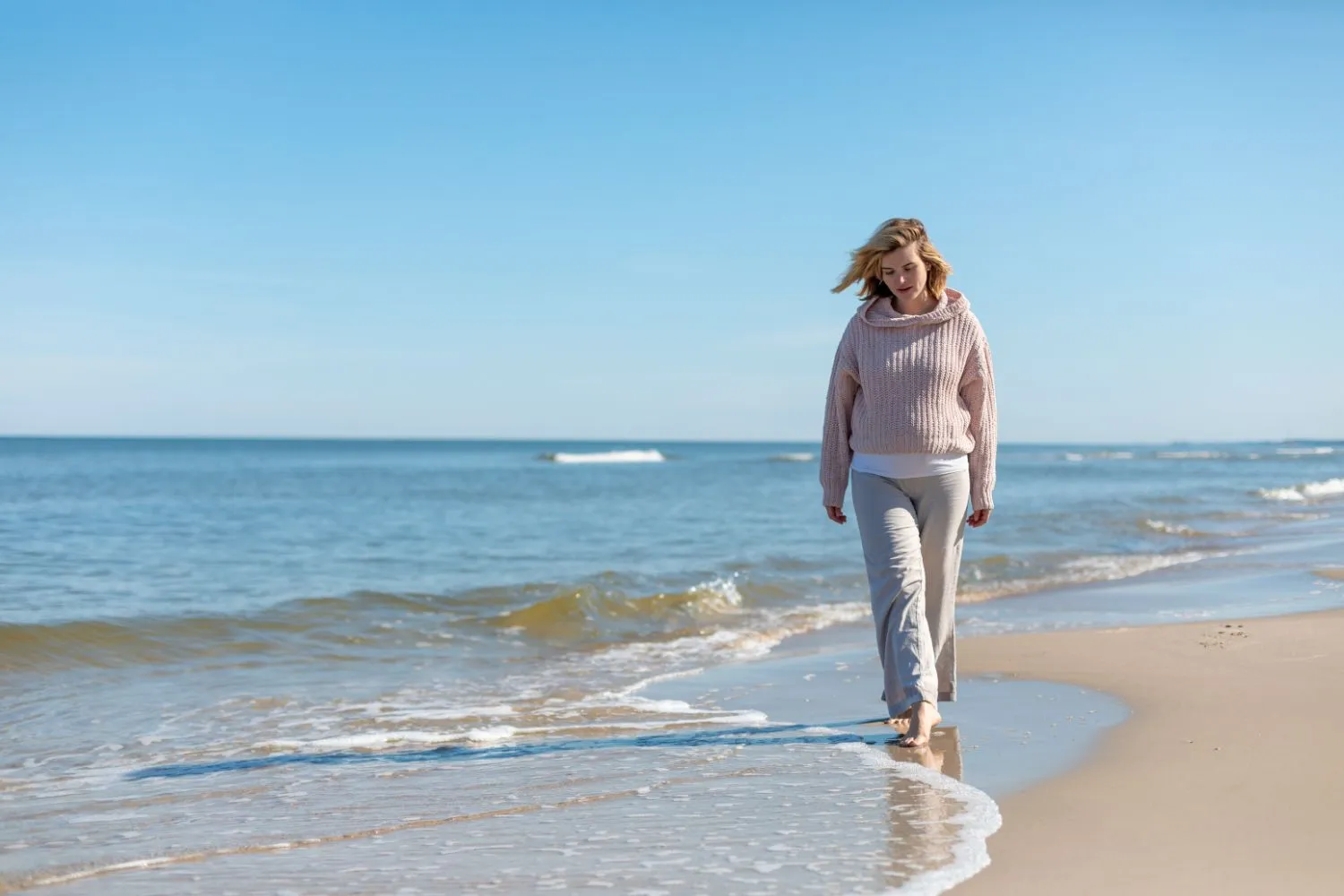
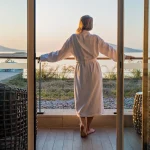
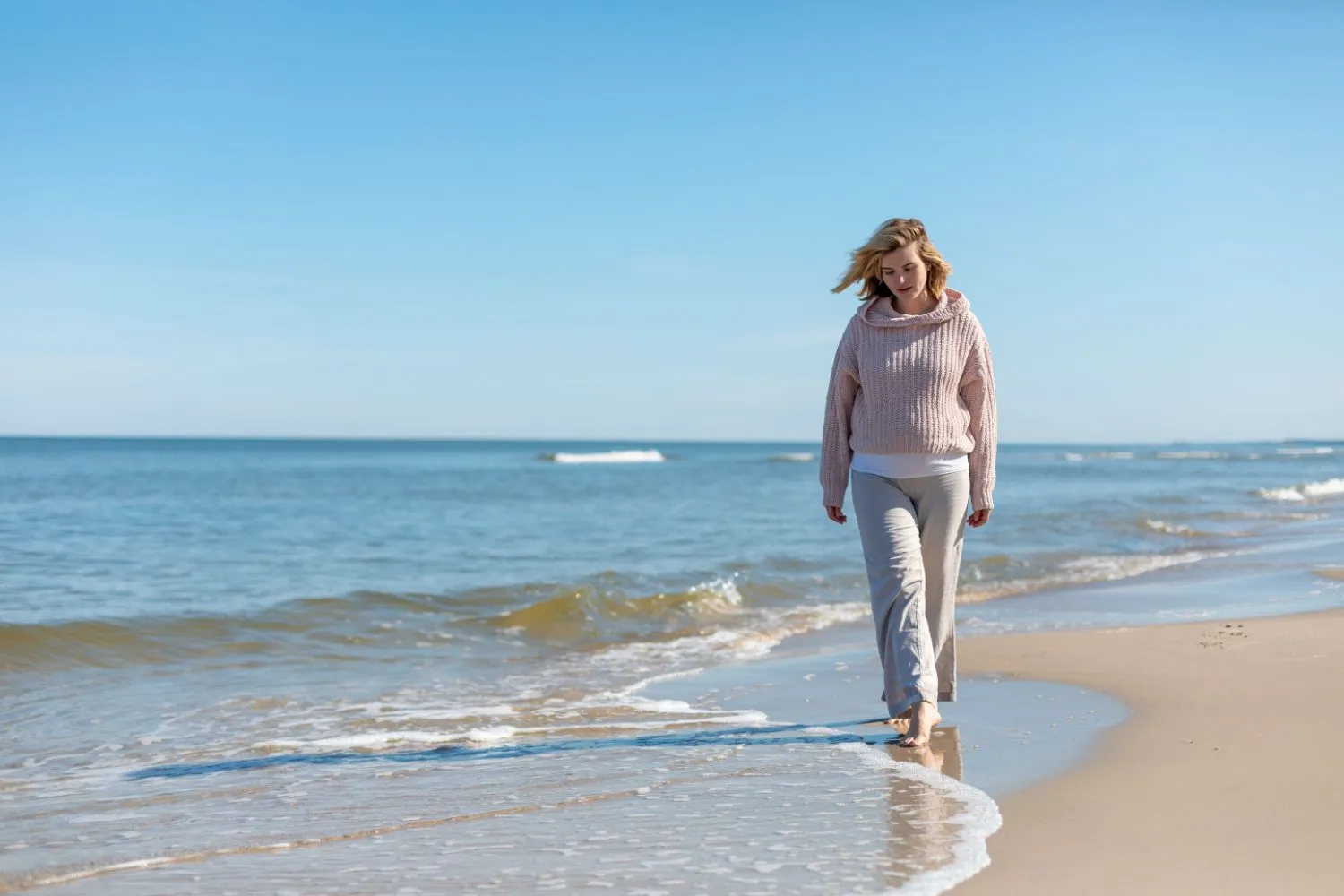
Think about your first hour at the coast. You leave your luggage, walk towards the beach and suddenly your field of vision changes. Buildings disappear. The horizon becomes wider. Instead of engines and notifications, there is the repetitive sound of water reaching the shore. Nothing dramatic has happened — yet the environment around you has completely changed.
The psychology of blue space
One explanation researchers are exploring is restoration: natural environments can provide a break from the sustained attention demanded by everyday life. The coast also encourages behaviours that may contribute to that effect. We walk along the beach, swim, spend more time outdoors and often become less attached to our normal schedule. This is why reducing the benefits of a beach holiday to “healthy sea air” misses much of the picture. The experience is environmental, physical and psychological at the same time.
Sea air, iodine and stress: Separating science from myth
For generations, seaside holidays have been associated with “breathing iodine”. There is a grain of scientific truth behind the expression — but not quite in the way popular wisdom suggests.
Does sea air really contain iodine?
Marine environments do release iodine compounds into the atmosphere. Seaweed and other marine organisms can contribute to the release of volatile iodine species, which form part of complex chemical processes occurring in coastal air. But this does not mean that simply breathing beside the sea delivers a therapeutic dose of iodine, nor is there convincing evidence that iodine vapour itself is responsible for the relaxing sensation many people experience at the coast. So the better question is not “Can iodine cure stress?”. It is: What happens when sea air, water, open space, natural sound, sunlight and movement become part of your day at the same time? That is where the coastal environment becomes far more interesting.
Coastal microclimate: More than just salty sea air
A seaside environment feels different long before we start thinking about its chemistry. Sea breezes influence local temperature and air movement. The open landscape changes our visual environment. Waves create a continuous natural soundtrack. And perhaps most importantly, the coast invites us outside.
Why walking beside the sea matters
A beach naturally encourages movement without making it feel like exercise. A morning walk becomes longer because there is another stretch of coastline ahead. Swimming replaces time spent sitting indoors. Sunset becomes a reason to go outside again. Research on outdoor blue spaces has repeatedly found associations not only with wellbeing but also with increased physical activity. This combination may be one of the most overlooked benefits of a seaside holiday: the environment quietly changes what we do. And the type of coastline matters too. A crowded resort dominated by traffic, nightlife and dense development creates a very different experience from a quieter shore where the natural environment remains present.
Kraimorie: Where Black Sea blue space meets a slower rhythm
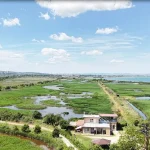
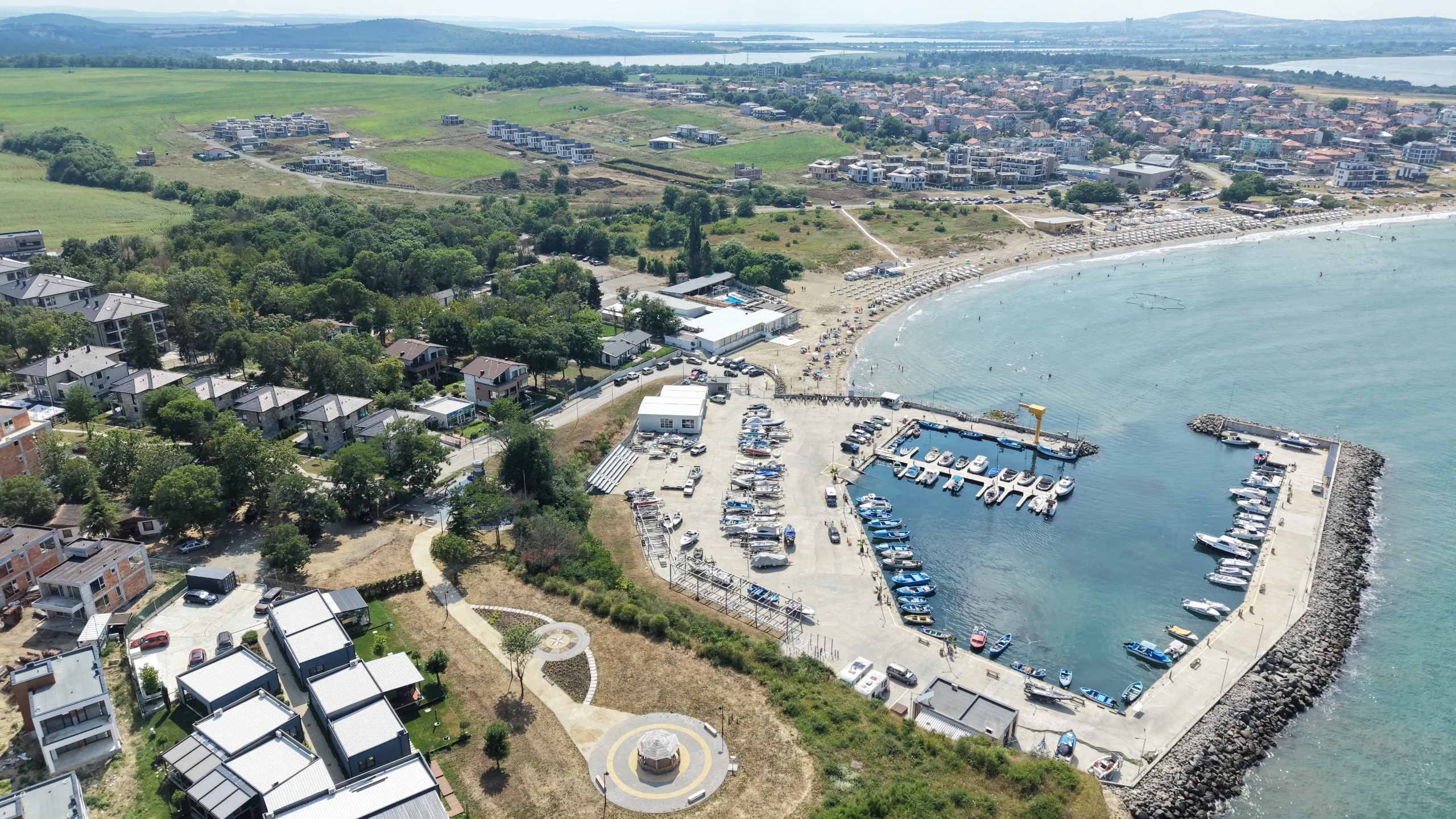
This is where Kraimorie becomes particularly interesting. Located just south of Burgas, Kraimorie offers something increasingly difficult to find along popular European coastlines: access to the sea without the scale and intensity of a large resort. Its coastline includes several beaches with different characters, from the more accessible Central Beach to quieter stretches and small coves. The relatively shallow water and open views across Burgas Bay reinforce the sense that the sea is part of the landscape rather than simply the backdrop to a resort. If you want to understand the coastline before visiting, our complete guide to Kraimorie’s beaches explores the main beaches, hidden spots and practical local tips. But there is another reason why the area fits particularly well into the blue-space story.
From beach to forest: Discover the green side of Kraimorie
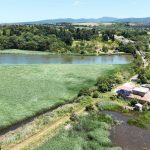
A seaside holiday does not necessarily mean choosing blue space over green space. Around Kraimorie, the two exist surprisingly close together.
When blue space meets green space
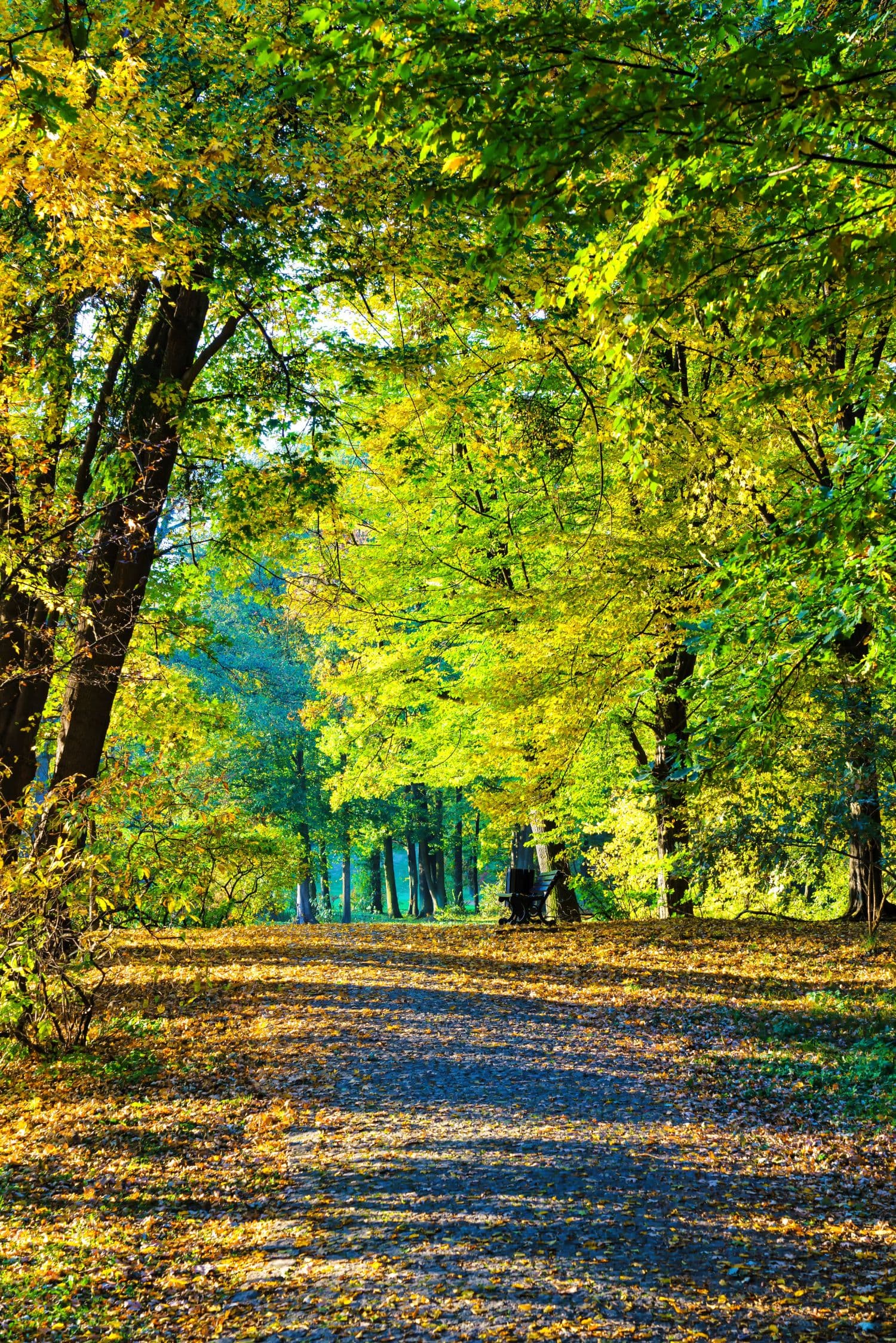
A short journey south brings you to Rosenets park, traditionally known locally as Otmanli. Here the atmosphere changes from sand and open horizon to woodland, shaded paths and coastal nature. It creates an interesting alternative to the classic beach routine: morning by the Black Sea, afternoon beneath the trees.
Our guide to Rosenets park and its combination of forest and sea is a natural next stop if you want to experience this greener side of the region. Perhaps this is also where the traditional question — sea or mountains? — begins to lose some of its importance. We may benefit less from choosing one landscape over another and more from allowing ourselves to spend meaningful time in nature.
How to turn a seaside holiday into a real mental reset
You do not need a wellness programme to experience the coast differently. Start early, before the beach becomes busy. Walk beside the water instead of immediately choosing a sunbed. Swim. Leave part of the day unplanned. Explore a quieter beach. Spend an afternoon among the trees at Rosenets. Return to the shore as the temperature falls and the evening becomes quieter. Most importantly, resist the temptation to fill every hour. Kraimorie works particularly well for this slower style of travel because beaches, nature and Burgas are all within easy reach. The Kraimorie travel guide can help you explore the wider area and turn a simple beach stay into a more varied coastal experience.
Sea or mountains? Perhaps we are asking the wrong question
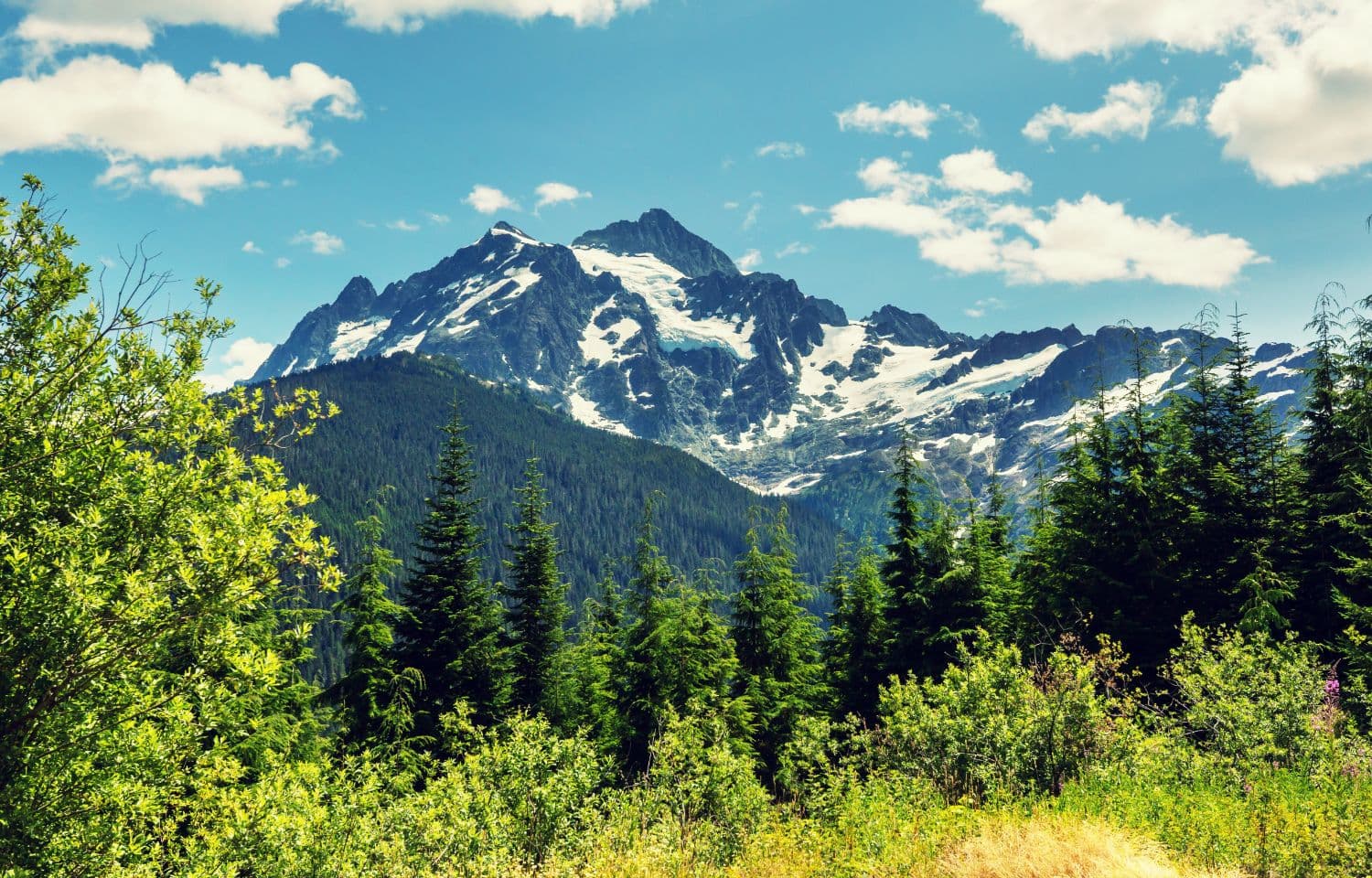
Mountains give us forests, elevation, silence and green space. The coast gives us water, open horizons, rhythmic natural sound and blue space. Science does not give us a reason to declare one the winner. Instead, it points towards something more useful: natural environments can create conditions that support restoration, movement and wellbeing — precisely the things modern urban life often pushes into the background. And that may explain the appeal of Kraimorie better than any promise about iodine in the air. There is no miracle hidden in the Black Sea breeze. There does not need to be. Sometimes a quieter beach, an open horizon, a walk beside the water and a forest waiting just down the coast are enough to make two days away feel much longer.